
The final point of the 2026 World Bocce Championship hung in the balance. Marco Rossi, Italy’s captain, lined up a delicate accosto, aiming to displace his opponent’s ball by mere centimeters. The crowd held its breath. He released, and the ball struck true. Italy secured the gold, but the victory wasn’t simply about that final shot.
What often gets lost in the excitement of championship moments is the bedrock of strategic principles that all top players share. While individual flair and athleticism are certainly important, the 2026 champions – and every champion before them – operate from a core understanding of the game’s nuances. These strategies aren't necessarily new inventions, but rather a mastery of fundamental techniques.
This article explores seven bocce ball strategies used by top players. It focuses on understanding what separates good players from consistent winners, detailing the small adjustments, calculated risks, and court control that define a champion.
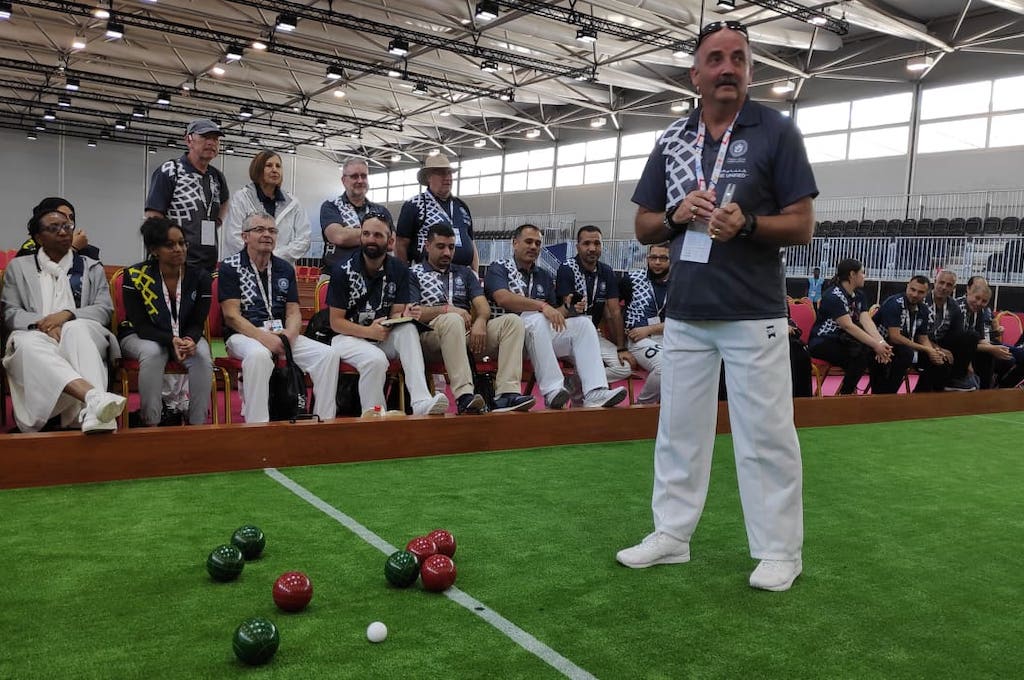
The pallino throw is arguably the most important shot in bocce ball. It’s not just about getting it in the designated area; it's about dictating the terms of the game. A well-placed pallino forces your opponent into difficult shots, opens up opportunities for your team, and gives you control of the court.
Champions deliberately place the pallino to exploit opponents' weaknesses. Short pallino throws can create a tightly clustered field, making scoring harder and increasing the chances of accidental hits. Conversely, longer throws spread the playing area, demanding greater precision and rewarding aggressive play. The choice depends entirely on the opponent and court conditions.
Consider the opponent’s skill level. A less experienced player might struggle with a pallino placed near a side boundary. A stronger player might be more comfortable with a centrally located pallino, allowing for more strategic options. The angle is also critical. A slight angle can create a break point, forcing opponents to curve their shots, increasing the risk of error. It's a subtle art, but mastering pallino placement is the first step towards consistent victories.
Consider the overall game plan. Aiming for a defensive, controlled match or an aggressive, high-scoring affair influences pallino placement. A shorter throw, closer to your team’s starting point, facilitates a more defensive approach, while a longer throw encourages a more offensive style of play.
The "spit’ – a very short, controlled roll designed to land directly next to the pallino or an opponent’s bocce ball – is a deceptively powerful defensive tactic. It"s not about flashy throws; it's about precision and denying your opponent easy scoring opportunities. A well-executed spit can protect existing points and force your opponent to attempt more difficult shots.
Blocking isn't limited to the "spit’. Broader strategies involve creating walls to protect points, strategically positioning balls to limit opponents’ angles, and forcing them to take risky shots. Many casual players underestimate how important a good block is. It’s not always about getting closest to the pallino; sometimes it"s about denying your opponent the opportunity.
Consider the court’s terrain. Uneven surfaces can be used to your advantage when blocking. A slight incline can deflect an opponent’s shot, while a dip can create a natural barrier. Understanding how the balls will roll on different surfaces is crucial for effective blocking. A skilled player can use the court itself as an ally.
Sacrifice a ball to create a strong block. Giving up a potential point in the short term can be worth it to gain a strategic advantage in the long run. Think several moves ahead and anticipate your opponent’s likely responses.
The "accosto’ – the direct hit – is the most dramatic shot in bocce ball, but it’s far more than just a display of power. It requires incredible precision, a deep understanding of trajectory, and a calculated assessment of risk. Champions use the accosto not only to remove opponent"s balls but also to strategically reposition the pallino, shifting the advantage in their favor.
This is a high-risk, high-reward shot. A successful accosto can completely change the game's momentum, but a missed attempt can leave your opponent with an easy scoring opportunity. The decision to attempt an accosto should be based on a careful evaluation of the situation: the distance to the target, the court surface, and your skill level.
Several factors influence the success of an accosto. The court surface plays a significant role; a smoother surface allows for a more predictable roll, while a rough surface requires more force and a higher trajectory. The weight and condition of the ball also matter. A heavier ball will travel straighter, while a worn ball might be more difficult to control. Even wind conditions can impact the shot.
Practice is essential. The accosto isn’t a shot mastered overnight; it requires countless hours of repetition and experimentation with different techniques. Focus on developing a consistent release point and a smooth, controlled swing.
This is where experience truly shines. Champions don’t just see the court; they read it. They analyze every nuance of the surface – the length of the grass, the slope of the terrain, the presence of imperfections – and understand how these factors will impact ball roll.
Understanding ball rotation is equally important. A skilled player can use rotation to control distance, curve shots around obstacles, and even create subtle breaks in the roll. It’s a subtle skill, but it can make all the difference. I’ve seen players adjust their grip and release point by just a few millimeters to achieve a completely different result.
Pay attention to the grain of the grass. Balls will generally roll faster with the grain than against it. Use this to your advantage when planning your shots. Also, be aware of any slopes or dips in the terrain. Even a slight incline can significantly alter the trajectory of the ball.
Practice different release techniques to learn how to impart different amounts of rotation. Experiment with your grip and wrist action to see how it affects the ball’s curve and distance. Don’t be afraid to try new things and push your limits.
Bocce isn't just a physical game; it's a mental one. Champions understand this and dedicate time to studying their opponents. They analyze their tendencies – their preferred shots, their weaknesses, their emotional responses – and use this information to influence their decisions and gain a psychological edge.
A little bit of gamesmanship can go a long way. I'm not saying it's about trash talk, but about subtle cues and strategic pauses. Observing how your opponent reacts to pressure can reveal valuable insights into their mindset. Do they rush their shots when they’re behind? Do they become more cautious when they’re ahead?
Pay attention to their shot selection. Do they consistently favor certain types of shots? Do they have a weakness when it comes to specific angles or distances? Identifying these patterns can help you anticipate their moves and plan your strategy accordingly.
Don’t underestimate the power of body language. A confident posture can intimidate your opponent, while a hesitant demeanor can make them question their own abilities. Projecting confidence, even when you’re feeling nervous, can give you a significant psychological advantage.
For team play, clear and concise communication is paramount. Champions discuss strategy openly, call shots effectively, and provide constructive feedback to one another. A team that can communicate seamlessly is far more likely to succeed than a team of individual players.
The best teams have a designated 'captain' who takes the lead in making strategic adjustments. This person is responsible for assessing the game situation, identifying opportunities, and directing the team’s efforts. However, even with a designated leader, it’s important to encourage input from all team members.
Adaptability is just as important as communication. Champions don’t stick rigidly to a pre-determined plan; they adjust their strategy based on the evolving game situation. They can seamlessly switch from aggressive offense to solid defense, exploiting opportunities as they arise. This requires a flexible mindset and a willingness to deviate from the norm.
The ability to read the opponent and the court in real-time is crucial for adaptability. If your initial strategy isn’t working, don’t be afraid to change it. Be reactive, be opportunistic, and always be looking for ways to gain an advantage. It’s about thinking on your feet and making smart decisions under pressure.
Investing in a quality bocce ball set can significantly enhance your game. While there are many affordable options available, serious players should consider sets designed for tournament play or favored by experienced players. You'll notice a difference in the weight, balance, and overall feel of a premium set.
The GoSports® Bocce Ball Game Rules set, frequently used in local tournaments (as per uwec.edu), includes eight 90mm bocce balls in four different colors (red, green, blue, yellow), a 50mm white pallino ball, a distance marker, and a convenient carrying case. The balls are made from durable resin, providing a consistent weight and feel.
Another excellent option is the Rally and Roar Bocce Ball Set. This set features slightly heavier balls, which are preferred by some players for their greater control and accuracy. The set also includes a high-quality carrying case and a measuring tape for precise scoring.
When choosing a set, consider the material, weight, and size of the balls. Resin balls are generally more affordable and durable, while heavier balls offer greater control. The size of the balls should conform to official tournament regulations (90-108mm in diameter).
- GoSports® Bocce Ball Game Rules: Durable resin balls, complete set with carrying case.
- Rally and Roar Bocce Ball Set: Heavier balls for greater control, high-quality carrying case.
Master Bocce Strategies with These Top-Rated Bocce Ball Sets

Regulation size 107mm · Regulation weight 920g · Ideal for official tournaments
These high-quality bocce ball sets are essential for practicing and implementing the advanced strategies discussed in the article, offering the feel and performance favored by serious players.
Regulation size 107mm · Regulation weight 920g · Ideal for official tournaments
These high-quality bocce ball sets are essential for practicing and implementing the advanced strategies discussed in the article, offering the feel and performance favored by serious players.

90 mm ball size · Suitable for outdoor lawn play · Available in composite or resin materials
These high-quality bocce ball sets are essential for practicing and implementing the advanced strategies discussed in the article, offering the feel and performance favored by serious players.

8 polyresin balls · Includes pallino, case, and measuring rope · Suitable for 2 to 8 players
These high-quality bocce ball sets are essential for practicing and implementing the advanced strategies discussed in the article, offering the feel and performance favored by serious players.
Regulation size 107mm · Regulation weight 920g · Ideal for official tournaments
These high-quality bocce ball sets are essential for practicing and implementing the advanced strategies discussed in the article, offering the feel and performance favored by serious players.
As an Amazon Associate I earn from qualifying purchases. Prices may vary.
No comments yet. Be the first to share your thoughts!