

The halfway line rule
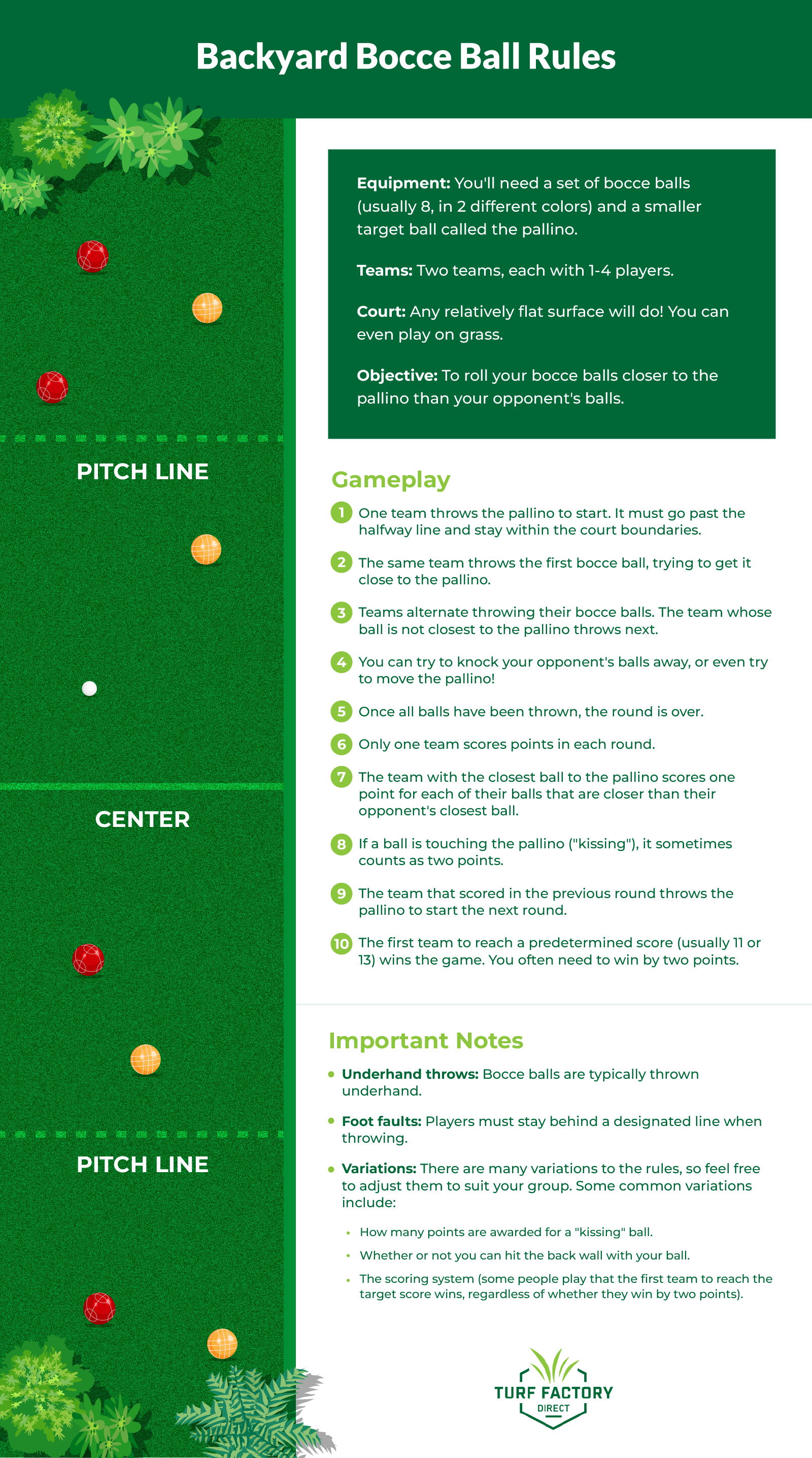
One of the most common mistakes I see is a misunderstanding of the pallino placement rule. Many players think as long as it’s generally down the court, it’s good. But there’s a very specific requirement: the pallino must cross the halfway line to be a valid throw. It’s not enough to just touch it.
If the pallino doesn't fully cross the line, the opposing team gets a re-throw. This means your carefully planned opening shot is essentially nullified, and you’ve given your opponent a significant advantage. Arguments frequently arise over whether the pallino truly crossed. Players often debate whether a portion of the pallino was over the line, or if it was merely the shadow or an optical illusion.
The University of Wisconsin-Eau Claire (UWEC) rules state that if the pallino doesn't cross the halfway line, the other team gets to throw it. If you can't agree on whether it crossed, find a neutral person to look at it or just flip a coin. It's easier to just throw it a foot past the line so there's no doubt.
Measuring the distance
"Close’ doesn’t count in bocce ball. It has to be definitively closer. Eyeballing it is a recipe for disagreement and potentially, incorrect scoring. The official method for determining which ball is closest to the pallino involves precise measurement, and it"s more involved than you might think.
A designated measurer should use a measuring tool – either a tape measure or, for even more accuracy, calipers. The measurement is taken from the leading edge of the pallino to the leading edge of each bocce ball. It’s crucial to be consistent with this measurement technique. This is where things can get tricky, especially with balls partially obscured or at odd angles.
What happens when two balls appear to be the same distance? In this scenario, the ball that was thrown first is considered closer. This is why knowing the order of throws is important. Disputes are common, and it's vital to handle them calmly and respectfully. Referencing the official rules and having a neutral party oversee the measurement can help prevent heated arguments. Remember, a few millimeters can be the difference between winning and losing a frame.
Using a consistent method, and documenting measurements when possible, can prevent misunderstandings. Some players even bring laser measuring tools for ultimate precision. While not required, it demonstrates a commitment to fair play and reduces the chances of a contentious situation.
- Designate a neutral measurer.
- Use a tape measure or calipers.
- Measure from the leading edge of the pallino.
- The ball thrown first wins if the distances are tied.
Out-of-Bounds Balls: A Surprisingly Tricky Rule
Determining whether a ball is truly "out’ can be surprisingly complex. It"s not always as simple as landing outside the painted lines. The rules regarding out-of-bounds balls are often misinterpreted, leading to unnecessary penalties. Is it automatically a dead ball? Not always.
If a ball lands outside the court boundaries, it's generally considered out of play. However, if the ball bounces back onto the court, it remains in play. This is a key distinction. What about a ball that is pushed out of bounds by another ball? That ball is also considered out of play, regardless of how it left the court.
The court boundaries are defined by the lines or markings on the playing surface. It’s important to clearly understand where these boundaries are before the game begins. A ball touching the line is considered in bounds. Confusion often arises with angled throws where it's difficult to visually assess if the ball fully crossed the line before bouncing out.
The giro throw
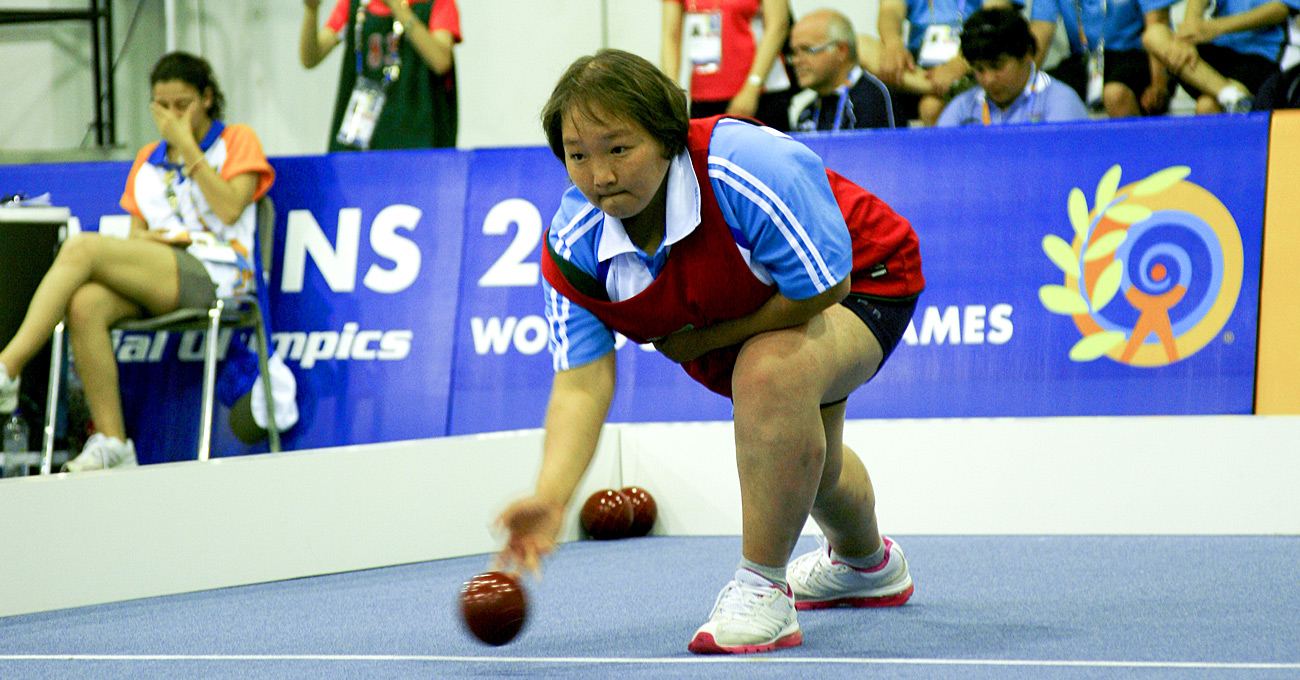
The 'giro' is the specific underhand motion you have to use. You can't just chuck it however you want. Bocce.org rules require an underhand release below the waist. If you release it too high or try to roll it like a bowling ball, it's a foul.
An illegal throw includes anything overhand, or rolling the ball along the ground. Referees, especially in more competitive settings, are quite strict about enforcing this rule. Even a subtle deviation from the proper form can be penalized. Players sometimes try to get away with a slightly higher release, but experienced referees will catch it.
The purpose of the giro rule is to ensure fairness and prevent players from gaining an unfair advantage through improper technique. It promotes skill and control over brute force. It’s worth practicing the correct giro technique to avoid accidental fouls and improve your consistency. A good coach can provide valuable feedback on your form.
Scoring Confusion: When Do Points Count?
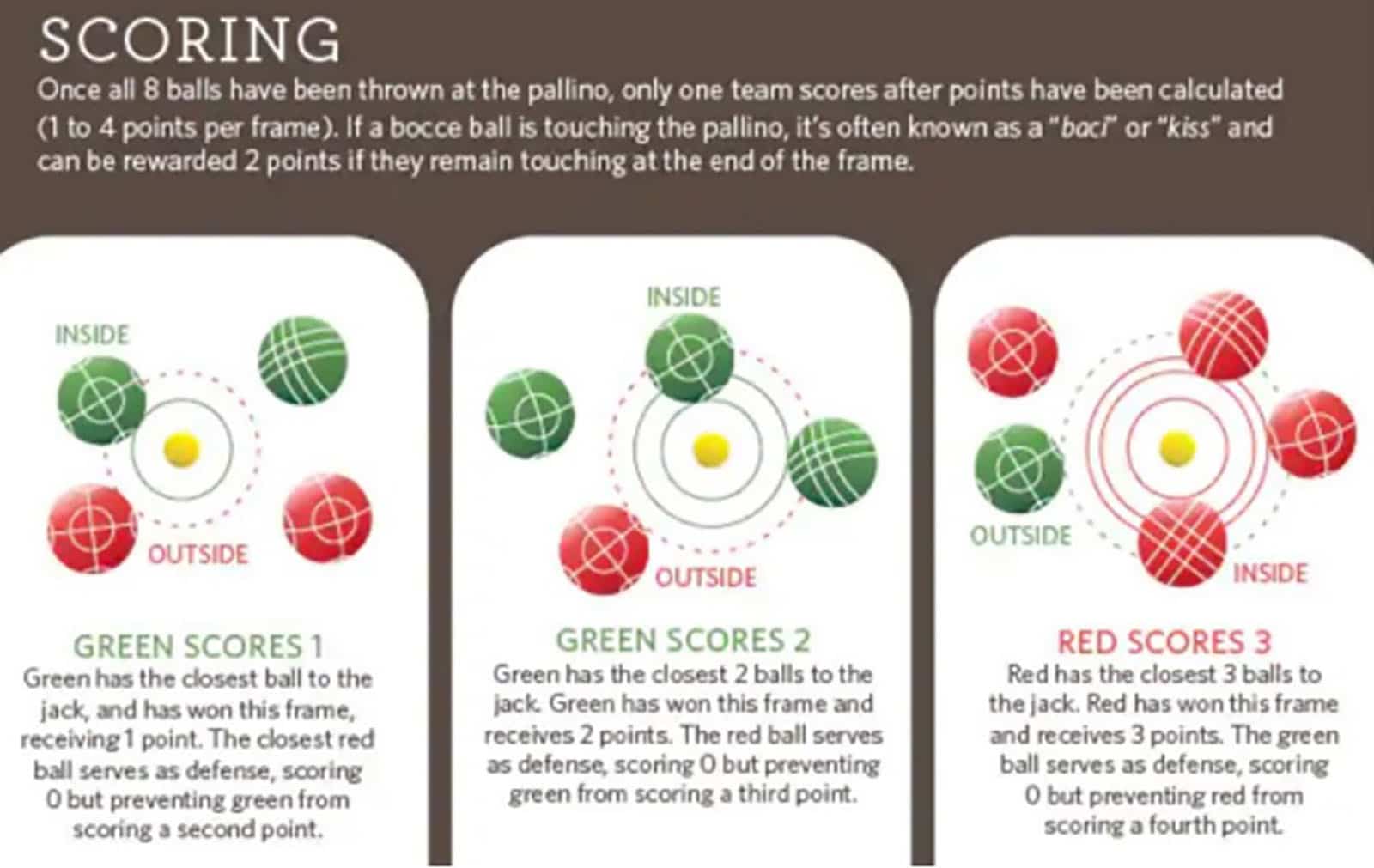
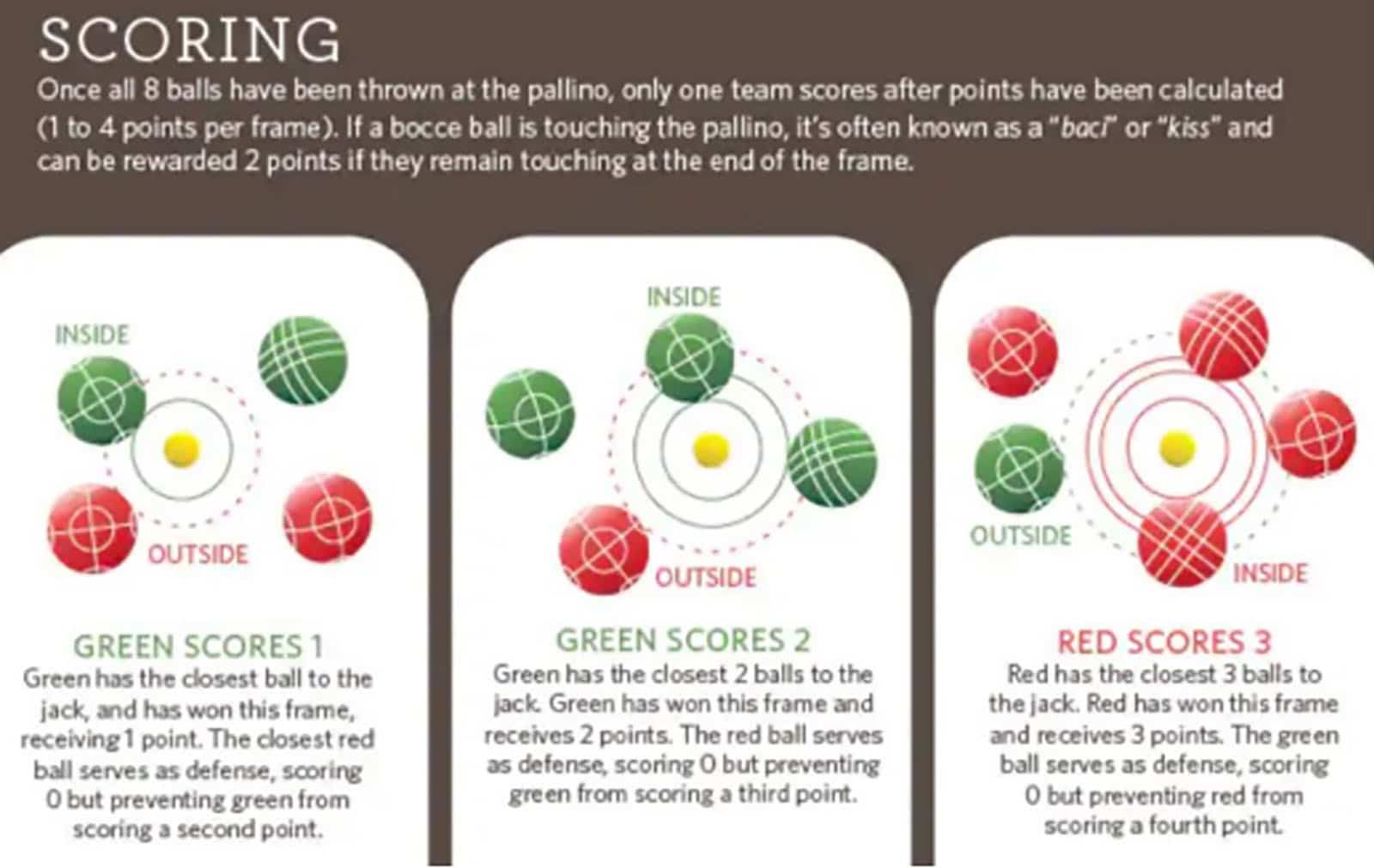
The scoring system in bocce ball is relatively straightforward, but mistakes happen. Points are awarded for each round based on which team has the closest ball(s) to the pallino. The team with the closest ball scores one point for each ball they have closer than the opponent’s closest ball. It’s easy to miscount, especially during a fast-paced game.
A common error is miscalculating the points after each round. Players may incorrectly add up the points or argue about which balls actually count. To avoid this, designate a scorekeeper and clearly announce the score after each round. The official rules on uwec.edu state that the first team to reach 12 points wins, but they must win by two.
This "must win by two" rule is often overlooked. If a team reaches 12 points, but the other team has 10, play continues until one team has a two-point lead. This can lead to dramatic finishes and unexpected comebacks. Always keep track of the point differential to avoid confusion at the end of the game.
Team Play: Who Throws When?
In team play, understanding the order of throws is essential. Players must alternate throws, and there are specific rules about designated throwers. Confusion frequently arises when players don’t know whose turn it is. This can lead to accidental out-of-turn throws and potential penalties.
Typically, one player from each team throws alternately until both teams have thrown all their balls. Then, the scoring is calculated. If a player throws out of turn, the opposing team has the option to either accept the throw or require the player to re-throw in the correct order. Strategy plays a role here – sometimes accepting a poorly placed out-of-turn throw is advantageous.
Establishing a clear throwing order before the game begins is crucial. Teams should agree on who will throw first and the subsequent rotation. This prevents arguments and ensures a smooth flow of play. Consider the strengths and weaknesses of your teammates when determining the throwing order – place your most accurate players in strategic positions.
- Establish a clear throwing order before the game.
- Alternate throws between teams.
- Know the consequences of throwing out of turn.
- Consider player strengths when deciding order.
No comments yet. Be the first to share your thoughts!