

Beyond the Basics: Tournament Bocce
Bocce ball is often seen as a casual game, but tournament play demands a higher level of precision and intensity than backyard matches.
Competitive bocce requires precise calculations, anticipating opponent moves, and strategizing several throws ahead to control the court, not just get close to the pallino.
Anticipate potential rule clarifications for the 2026 season, particularly concerning how balls near the pallino are measured. Practicing for stricter interpretations of these details will be crucial.
Competition is increasing with more organized clubs and dedicated training. Expect opponents who are skilled, mentally tough, and well-prepared. Success demands a blend of technique, strategy, and a resilient mindset.
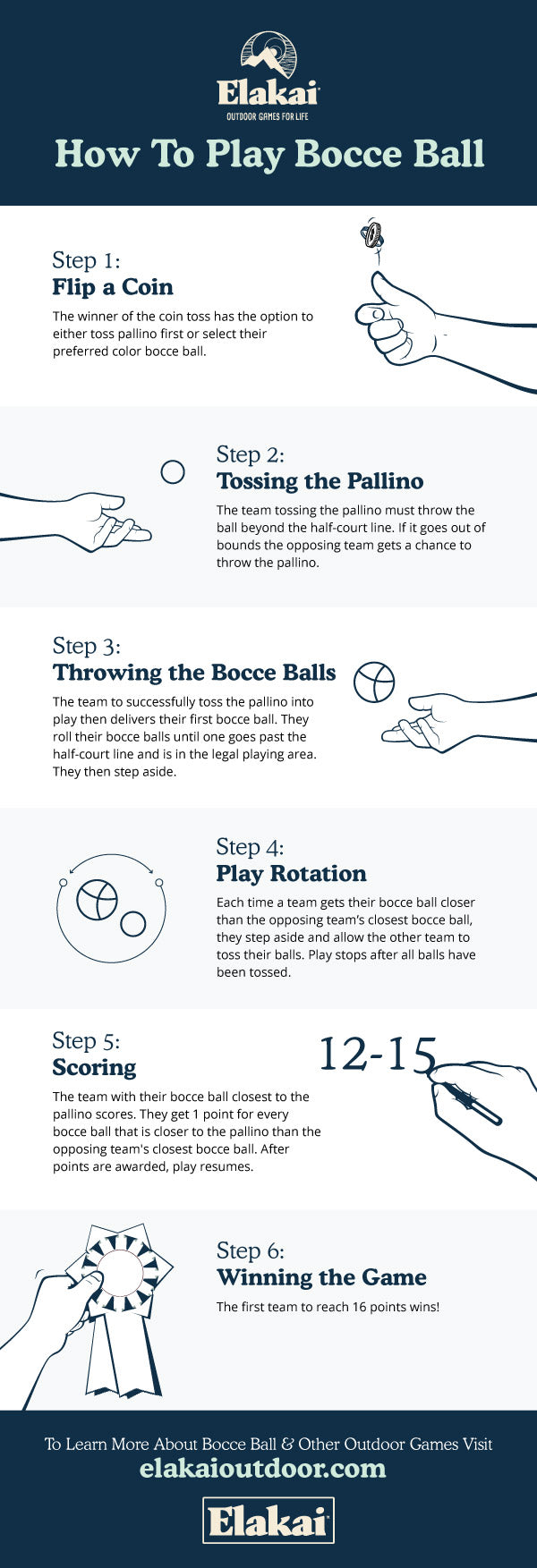
The Art of the 'Accosto'
The first throw, the accosto, sets the tone for the round and dictates strategy. Skilled players know it's about more than just getting close to the pallino.
Accosto strategies include aggressive (disrupting the pallino's position), defensive (shielding the pallino), and deceptive (faking direction) throws.
Common mistakes include overcommitting on aggressive accostos, missing the pallino, or failing to account for spin. Consistent practice with precise aiming is needed to correct these errors.
Mentally, read the court, assess wind, and anticipate opponent responses. Adjusting your strategy based on whether they are aggressive or cautious provides a significant edge.
Spin Control: Mastering the 'Bocciata'
The bocciata, a throw to displace other balls, showcases technical skill through precise spin control, dictating the angle and force of impact.
Topspin rolls the ball forward with speed and a low trajectory. Backspin creates a higher arc for a softer landing. Sidespin curves the ball around obstacles. Blending these spins separates good players from great ones.
Court surfaces affect spin; smoother surfaces amplify it, while rougher ones dampen it. Adjust technique accordingly, using less spin on clay than synthetic surfaces to avoid excessive grip.
Practice spin control by isolating each spin type, focusing on hand position and release angle. Aim at targets and try to curve the ball. Recording yourself helps analyze technique and identify improvements. Consistent practice builds muscle memory.
- Hand Position: Grip the ball firmly but not too tightly.
- Release Angle: Adjust your wrist and forearm to impart the desired spin.
- Follow-Through: Maintain a smooth follow-through to ensure consistent spin.
Reading the Court: Terrain and Tactics
Subtle terrain variations on bocce courts, like bumps and slopes, significantly impact ball trajectory. Learning to read these nuances is a critical skill.
Before each throw, scan the court for areas affecting the ball's roll, such as slopes that cause drift or bumps that alter bounce. Adjust your aim accordingly; experienced players predict paths with accuracy.
Tactics like blocking (placing balls to prevent opponent access), protecting (shielding the pallino), and creating scoring opportunities through combinations are essential for winning.
Exploit opponent weaknesses related to court conditions. If they struggle with uphill shots, position the pallino on a slope. If they have difficulty with spin, use it to disrupt their throws. Adaptability is key, as real-world courts have unique characteristics.
Opponent Analysis: Knowing Your Rivals
Bocce is a mental game. Understanding your opponents' strengths, weaknesses, and tendencies is crucial for developing a winning strategy through scouting.
Observe opponents before a tournament, noting their accosto style, spin techniques, and reactions under pressure. Look for patterns and tells that reveal their intentions, such as consistent aggressive or cautious approaches.
Analyze opponent throws during the game for consistency (short/long) or court preference. Exploit weaknesses, but be prepared to adapt your tactics as opponents can change their approach.
Maintain composure under pressure by avoiding emotional reactions and staying focused on your game plan. Ethical play, respecting opponents and rules, ensures a good game for everyone.
- Accosto Style: Aggressive, defensive, or deceptive?
- Spin Preference: Topspin, backspin, sidespin?
- Pressure Response: How do they react to difficult situations?
Pressure Plays: Late-Game Strategy
The final frames of a bocce game are intense, with every throw critical. A well-defined late-game strategy can make the difference.
To maximize points, carefully place balls to create scoring combinations. If leading, protect your advantage by blocking opponent access. If behind, take calculated risks to close the gap.
undefined. Assess the risk/reward ratio and choose the option that gives you the best chance of success.
Teamwork and communication are essential in late-game situations. Discuss your strategy with your partner, and coordinate your throws to maximize your chances of scoring. Clear communication can prevent miscommunications and ensure that everyone is on the same page. A strong team can overcome even the most challenging situations.
Physical Conditioning for Bocce
While often perceived as a leisurely activity, competitive bocce ball demands a surprising level of physical conditioning. It’s not about brute strength, but rather about endurance, precision, and stability.
Core strength is paramount. A strong core provides the foundation for a stable throwing motion and helps prevent injuries. Shoulder stability is also crucial, as it allows you to control the ball’s trajectory and spin. Leg strength is important for maintaining balance and generating power.
A beneficial training regimen should include strength training exercises targeting the core, shoulders, and legs. Cardio exercises, such as jogging or swimming, can improve endurance. Flexibility exercises, such as stretching, can help prevent injuries. Focus on exercises that improve balance and coordination.
Injury prevention is key. Warm up thoroughly before each game, and cool down afterward. Pay attention to your body and rest when needed. Proper technique is also essential for preventing injuries. Don't overtrain, and listen to your body's signals.
Bocce Ball Training: Targeted Exercises for Performance
| Exercise Name | Difficulty | Benefits for Bocce | Equipment Needed |
|---|---|---|---|
| Plank | Beginner | Develops core stability, crucial for maintaining balance during the throw and follow-through. | None |
| Squats | Beginner | Strengthens legs for power generation during the approach and delivery. Improves overall lower body stability. | None |
| Shoulder Press (with light weights) | Intermediate | Builds shoulder strength for consistent arm motion and accuracy. Focuses on controlled movement. | Dumbbells or Resistance Bands |
| Russian Twists | Intermediate | Enhances rotational core strength, assisting in generating power from the hips and torso during the throw. | Medicine Ball (optional) |
| Lunges | Intermediate | Improves leg strength and balance, mimicking the dynamic movement of the bocce throw. | None |
| Lateral Raises (with light weights) | Intermediate | Strengthens the deltoids, contributing to a stable and controlled arm swing. | Dumbbells or Resistance Bands |
| Deadlifts (light to moderate weight) | Advanced | Full body exercise that builds power and stability, particularly in the posterior chain (back, glutes, hamstrings) which are important for generating force. | Barbell or Dumbbells |
| Wood Chops (with resistance band) | Advanced | Develops rotational power and core stability, simulating the twisting motion of the bocce throw. Improves oblique strength. | Resistance Band |
Illustrative comparison based on the article research brief. Verify current pricing, limits, and product details in the official docs before relying on it.
Mental Fortitude: The Champion's Mindset
Ultimately, the difference between a good bocce ball player and a champion lies in their mental fortitude. The ability to manage stress, maintain focus, and build confidence is essential for success.
Visualization is a powerful technique. Before each throw, mentally rehearse the shot, imagining the ball traveling along the desired trajectory and landing in the perfect spot. Positive self-talk can help boost your confidence and overcome negative thoughts. Remind yourself of your strengths and accomplishments.
Mindfulness practices, such as meditation, can help you stay present and focused. Learn to let go of distractions and concentrate on the task at hand. Staying calm under pressure is crucial. Don’t let mistakes rattle you. Learn from them and move on.
A growth mindset is essential for continuous improvement. Embrace challenges, view setbacks as opportunities for learning, and believe in your ability to grow and develop. Remember that even the best players experience failures. The key is to learn from those failures and keep pushing yourself to become better. Building resilience is a continuous process, but it’s one that will pay dividends on the court.
No comments yet. Be the first to share your thoughts!