
Bocce is getting more competitive
Bocce is moving out of the backyard. While the goal remains getting your ball closer to the pallino than the other team, the casual approach to a 12-point match is being replaced by something much more aggressive. I've seen local leagues shift from social drinking clubs to high-stakes tournaments where every inch of the court is contested.
What was once a casual backyard pastime is rapidly becoming more competitive. We’re seeing a surge in organized leagues and tournaments, and players are actively seeking ways to gain an edge. This isn’t simply about throwing the ball harder or with more force. It’s about applying strategy, anticipating your opponent’s moves, and mastering subtle techniques. The influence of other strategy-focused games, like chess and curling, is becoming increasingly apparent.
By 2026, I expect to see a marked difference in the level of play. The days of purely recreational bocce are fading, replaced by a more calculated and strategic approach. Players are investing in better equipment, analyzing court conditions, and studying game theory. This article will equip you with five advanced strategies to elevate your game and prepare you for this evolving landscape. It’s about moving beyond just playing bocce to thinking about bocce.
Mastering frame control
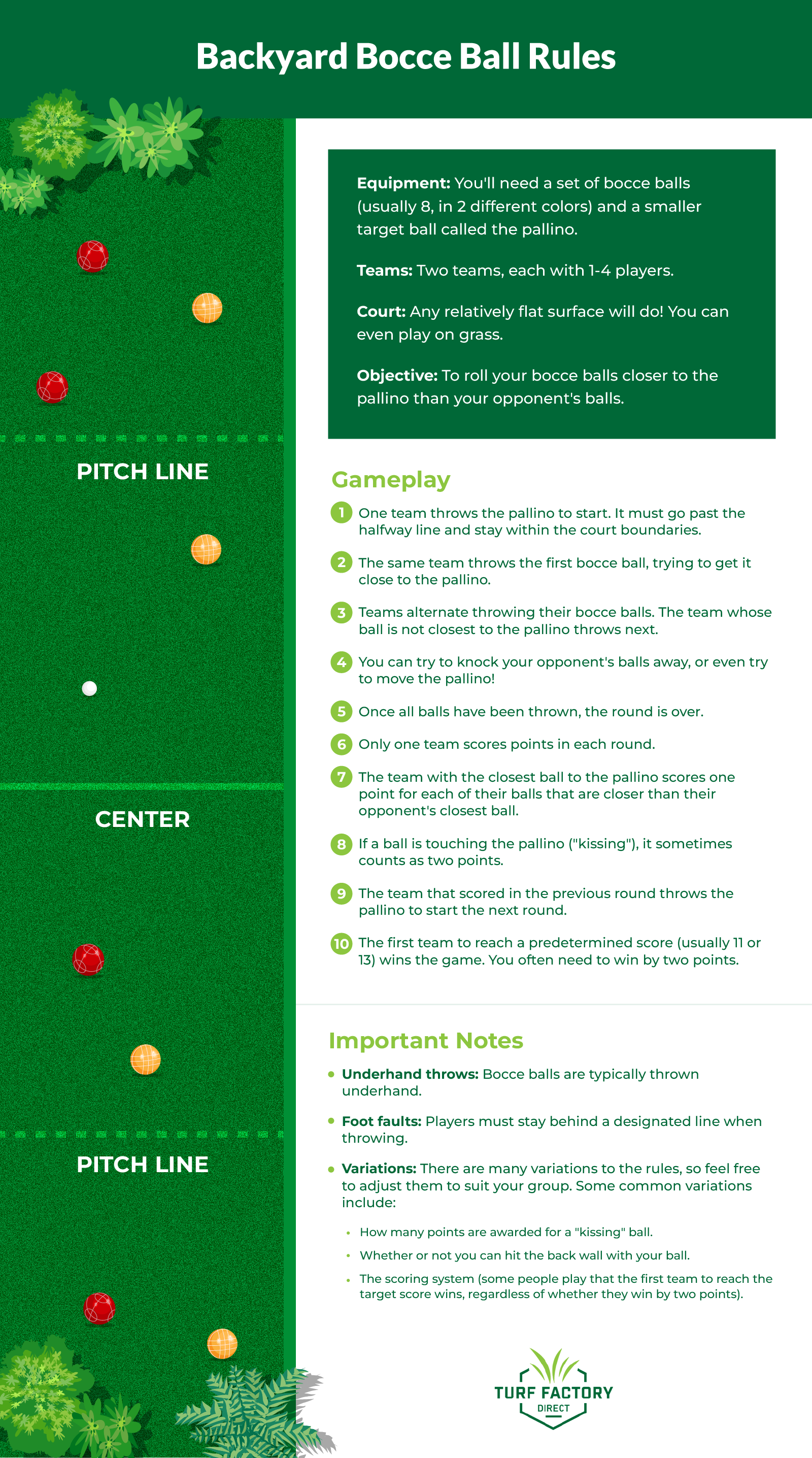
The core of advanced bocce isn’t just about getting your ball closest to the pallino on a single throw. It’s about "frame control’ – dictating the entire flow of a frame, or round, and limiting your opponent"s options. Think of it like setting up a series of dominoes; each throw should position you for success in subsequent shots.
This requires thinking several moves ahead. Don't just consider where your ball will land, but how your opponent will likely react. Will they try to knock your ball out, or will they attempt a delicate approach? Use "blocking’ shots to protect your points, placing balls strategically to make it difficult for your opponent to get close. Conversely, ‘leading" shots can set up future scoring opportunities, positioning your ball to create a favorable pathway for your next throw.
A crucial element of frame control is understanding angles. A well-placed ball can create a barrier, force a difficult shot, or open up a lane for your teammate. It’s not always about getting the closest ball immediately; sometimes, it’s about controlling the space and forcing your opponent into a disadvantageous position. This is where bocce transforms from a game of chance to a game of calculated risk. It's about reducing the number of good options available to your opponent.
Consider a scenario: you're down by one point. Instead of a direct attempt to get closest, you play a blocking shot, forcing your opponent to either risk a difficult shot to displace your ball or play defensively. This buys you time to reassess and plan your next move, potentially leading to a scoring opportunity.
Using spin as a weapon
Most players overlook the impact of spin, but it’s a powerful tool for controlling a ball’s trajectory and final resting position. Imparting spin requires a subtle wrist action during your throw, and mastering it takes practice. There are three primary types of spin: topspin, backspin, and sidespin.
Topspin causes the ball to grip the surface more upon landing, resulting in a shorter roll and a higher bounce. This is useful for navigating obstacles or stopping the ball quickly. Backspin does the opposite, allowing the ball to roll further and with less bounce. Sidespin causes the ball to curve in flight, which can be used to navigate around obstacles or to subtly adjust your ball’s position. The effect of spin is dependent on the court surface; a slicker surface will accentuate the spin’s effect.
Predicting how spin will affect a ball is crucial. Experiment with different amounts of spin on various surfaces to develop an intuitive understanding. For example, a slight backspin on a grass court can help your ball roll past an opponent’s ball without colliding with it. Sidespin can be used to curve a shot around a blocking ball, opening up a scoring opportunity. This isn’t about dramatic curves; it’s about subtle adjustments that can make all the difference.
The dead ball trick
This is an advanced tactic that relies on understanding the nuances of the rules and subtly deceiving your opponent. The "dead ball" deception involves intentionally playing a ball in a way that appears to be out of play – perhaps slightly off the court, or hidden behind another ball – but is, in fact, still legally in bounds.
The goal is to mislead your opponent into thinking they have a clear shot or that your ball is no longer a threat. This can create openings for your teammates or allow you to reposition your balls without interference. The rules regarding ball visibility can be ambiguous, and skilled players can exploit these ambiguities to their advantage.
However, be careful! This tactic is only effective if executed convincingly and within the bounds of the rules. A blatant attempt to deceive can backfire and earn you a penalty. It’s a psychological game as much as a technical one, requiring a keen understanding of your opponent’s perception and a willingness to take calculated risks.
Reading the court
Bocce isn’t just about the throw itself; it's about reading the court. Before each throw, take a moment to assess the surface. What’s the length of the grass? Is there a noticeable slope? Are there any imperfections, like divots or bumps? These factors will significantly affect your ball’s roll and trajectory.
Even slight variations in the court can have a dramatic impact. A subtle slope can cause a ball to drift left or right, while a patch of longer grass can slow it down. Learn to compensate for these variations by adjusting your aim and the amount of force you use. Wind also plays a role, especially on open courts. A headwind will slow the ball down, while a tailwind will carry it further.
Watch your opponent's first few rolls. If their ball dies early on the left side, you know that patch of grass is thick or damp. Use their mistakes to calibrate your own power. Experience matters here, but so does paying attention to the physics of the dirt.
For example, if you notice your opponent’s balls consistently veer to the right, you can adjust your aim accordingly, compensating for the drift. This level of attention to detail can give you a significant advantage.
- Check the grass length for drag
- Identify slopes
- Note imperfections (divots, bumps)
- Consider wind direction
Opponent Analysis: Knowing Your Foe
Bocce isn't solely a physical contest; it’s also a mental one. Take the time to observe your opponent's throwing style, tendencies, and weaknesses. Do they consistently underthrow or overthrow? Do they favor a particular side of the court? Do they get flustered under pressure?
Adapt your strategy based on their play. If they consistently underthrow, you can adjust your placement to take advantage of their shorter throws. If they tend to play defensively, you can be more aggressive with your shots. Recognizing tells – subtle cues that reveal their intentions – can also be incredibly valuable.
For example, if your opponent consistently glances at a specific spot on the court before throwing, it might indicate their intended target. Use this information to anticipate their move and counter it effectively. Turning bocce into a chess match requires careful observation, strategic thinking, and a willingness to adapt.

No comments yet. Be the first to share your thoughts!