
Bocce goes high-tech
Bocce ball, in its simplest form, is a game with roots stretching back millennia. Evidence suggests variations of the game were played in ancient Egypt and throughout the Roman Empire. For centuries, its appeal has rested on its accessibility, social nature, and the subtle skill involved in mastering the throw. It’s a game that doesn’t need bells and whistles to be enjoyable.
However, as with nearly every sport, technology is beginning to make inroads. This isn’t about fundamentally changing the game, but about offering players new ways to understand their performance and potentially improve. Early attempts at incorporating technology were limited – perhaps a digital scoreboard here or there – but the current wave is much more ambitious.
By 2026, I expect to see more sensors embedded in balls and automated measuring tools on the court. It isn't about changing the game's soul, but giving players a way to see exactly why a throw went wide. Most people will stick to traditional sets, but for those of us obsessed with the physics of a perfect roll, the data is addictive.
Sensors inside the ball
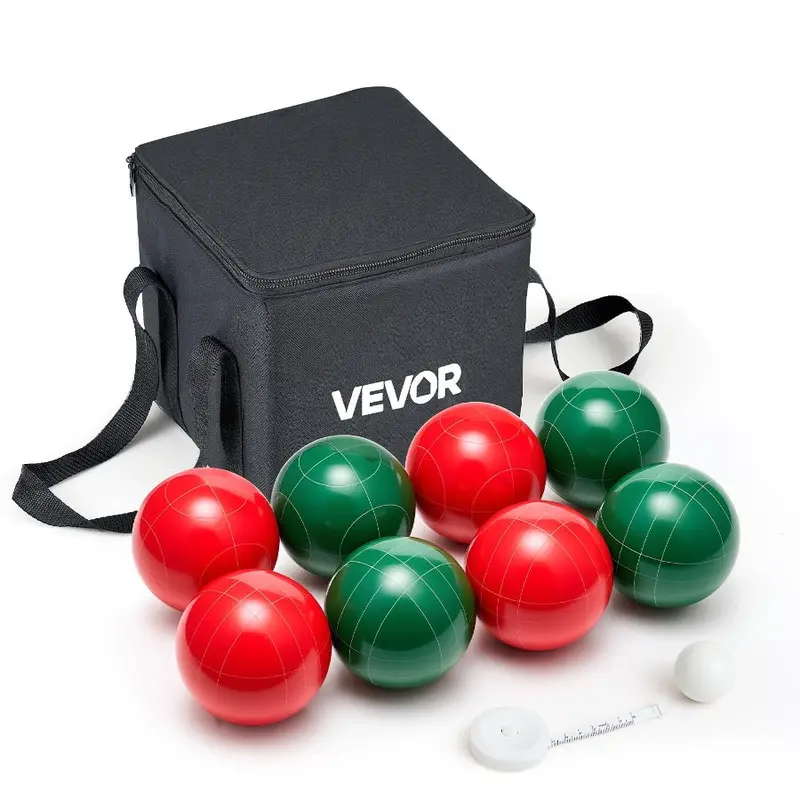
The core of the smart bocce revolution lies in the ball itself. Manufacturers are integrating a range of sensors into standard-sized bocce balls, aiming to capture detailed data about each throw. The most common sensors include accelerometers and gyroscopes, which measure acceleration and rotational velocity. This allows for a precise understanding of the ball’s speed, spin rate, and trajectory.
Beyond that, some companies are experimenting with pressure sensors to measure the force of impact when the ball lands, and even surface texture sensors to analyze the playing surface. This data is then transmitted – typically via Bluetooth – to a smartphone or other device for analysis. The challenge, of course, is miniaturizing these components while maintaining the weight and feel of a traditional bocce ball.
Accuracy is the real hurdle. If a sensor is off by even a fraction, the data is useless. These balls also have to survive being slammed into each other for hours. Most prototypes I've seen use reinforced polymers to protect the electronics and last about 8-10 hours on a USB-C charge. I'm still skeptical about how well the Bluetooth signal holds up when four different sets are active on adjacent courts.
AI-Powered Training Systems
The data collected by smart balls is only valuable if it can be effectively analyzed. This is where AI-powered training systems come into play. Several companies are developing apps that connect to the smart balls and provide real-time feedback on throws. These apps typically analyze the data and provide insights into a player’s technique, identifying areas for improvement.
These systems often track key metrics like release angle, spin consistency, and landing accuracy. Some apps also allow players to compare their performance against their own historical data or against other players. More advanced systems are beginning to offer personalized training plans, tailored to a player’s specific strengths and weaknesses. These plans might suggest drills to improve technique, increase power, or enhance accuracy.
We're also seeing prototypes of virtual coaching systems. These systems use AI to analyze a player’s throws and provide verbal or visual cues to help them improve their technique. Competitive simulations are another emerging trend, allowing players to practice against virtual opponents in a realistic game environment. Escalade Sports, a major player in outdoor games, is reportedly exploring AI integration into its bocce offerings, though details remain limited. The potential for these systems to accelerate learning and improve performance is significant.
- Identify specific flaws in your release motion using raw sensor data.
- Track key metrics like release angle and spin consistency.
- Provide personalized training plans.
- Offer virtual coaching and competitive simulations.
Court Tech: Automated Measuring
One of the most persistent challenges in casual bocce is accurate measurement. Determining which ball is closest to the pallino can be surprisingly contentious, especially in friendly games. Automated measuring systems aim to eliminate this ambiguity. Several approaches are being explored, including computer vision systems that use cameras to analyze the court and identify ball positions.
Laser rangefinders are another option, providing precise distance measurements. Augmented reality (AR) apps are also being developed, allowing players to use their smartphones or tablets to scan the court and automatically calculate distances. The accuracy requirements for these systems are quite high – within a centimeter or two – to be accepted by serious players. They also need to be able to handle varying lighting conditions and court surfaces.
Cost is the main barrier. A basic laser rangefinder is cheap enough for a backyard game, but full computer vision setups are still too expensive for anyone but high-end clubs. Retailers like BuyBocceBalls aren't even stocking these yet, which tells you the tech is still in the experimental phase. Once it hits the mainstream, it'll finally end those five-minute arguments over who's actually closer to the pallino.
Top Smart Bocce Products (2026)
The smart bocce market is still emerging, but several promising products are already available or in development. Here are five standouts, representing a range of features and price points:
BocceSense Pro Balls: These balls, currently in beta testing, boast a suite of sensors that track speed, spin, trajectory, and impact force. They connect to a dedicated app that provides detailed data analysis and personalized training recommendations. Priced around $250 for a set of four, they're aimed at serious players. The app is particularly strong on visualizing throw data.
SmartPallino: This isn’t a ball, but an upgrade to the pallino itself. It uses a small embedded beacon that can be accurately located by a smartphone app, eliminating disputes about the pallino’s position. It’s a relatively inexpensive addition at around $50 and addresses a common source of frustration.
AR Bocce Measure (App): Available for iOS and Android, this app uses augmented reality to measure distances and determine which ball is closest to the pallino. It’s a cost-effective solution at $19.99, but accuracy can be affected by lighting conditions.
ProThrow Trainer: This system combines smart balls with a portable launch pad that provides instant feedback on release angle and velocity. It's geared towards beginners and intermediate players, priced at $180. The launch pad adds a level of consistency to practice sessions.
Escalade Sports AI Bocce Assistant (Prototype): While not yet released, Escalade Sports is reportedly developing an AI-powered assistant that analyzes gameplay in real-time and provides coaching tips. Details are scarce, but it’s expected to integrate with their existing bocce ball sets. I'm eager to see how this develops.
Featured Products

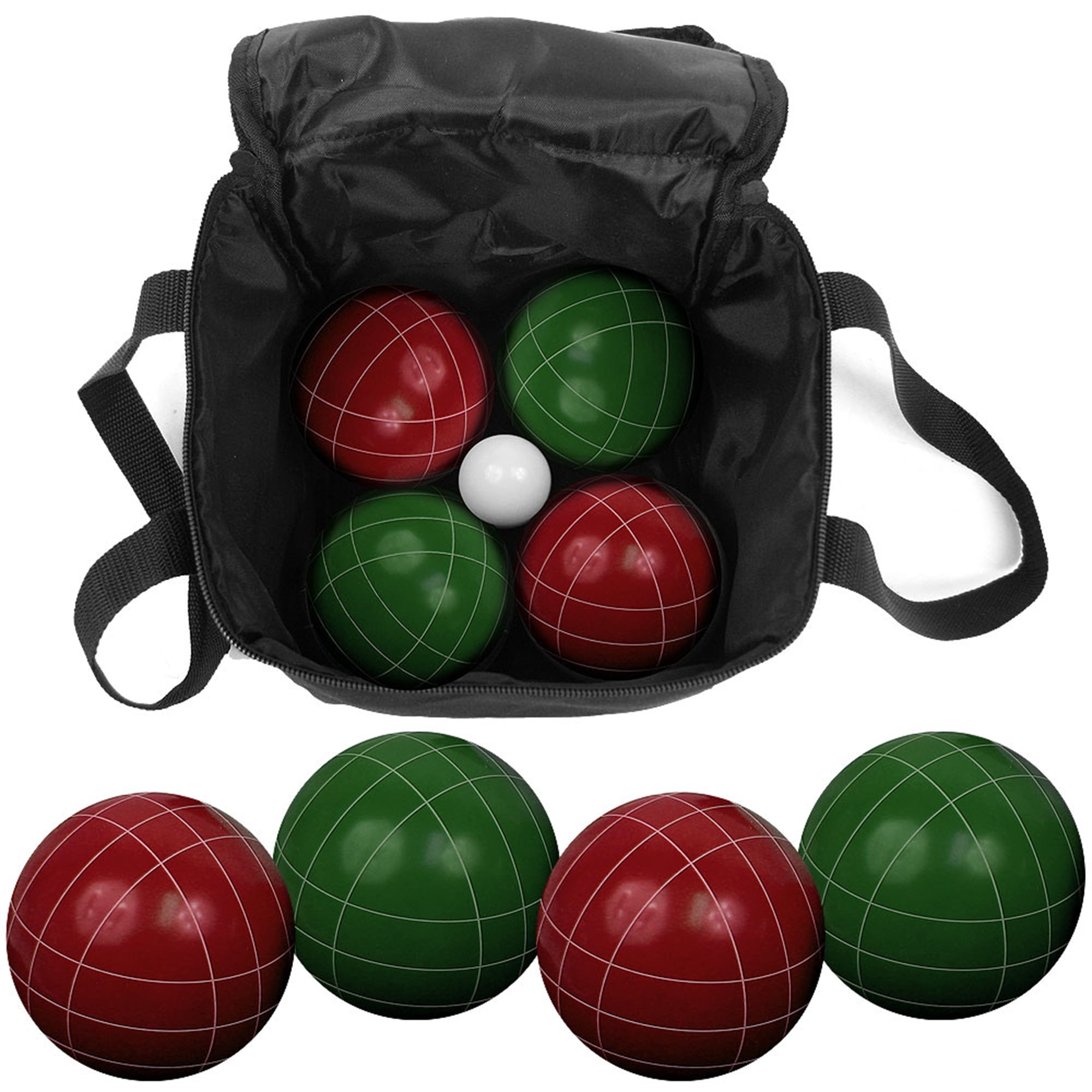
8 All-weather bocce balls · Includes pallino · Multiple set options (Professional, American, Starter)
While not featuring AI, this set is a solid, budget-friendly option for casual play and practice, forming the foundation for future smart training.

90 mm regulation size · Available in composite or resin · Designed for outdoor lawn games
These sets offer a good balance of quality and price for serious recreational players, providing a reliable platform for honing skills before integrating smart technology.

Regulation size and weight · 8 resin bocci balls · Includes pallino, measuring rope, and carrying bag
This regulation set provides an authentic playing experience, allowing players to perfect their technique on equipment that meets professional standards, a crucial step before advanced AI training.
90 mm regulation size · Available in composite or resin · Designed for outdoor lawn games
These sets offer a good balance of quality and price for serious recreational players, providing a reliable platform for honing skills before integrating smart technology.
8 All-weather bocce balls · Includes pallino · Multiple set options (Professional, American, Starter)
While not featuring AI, this set is a solid, budget-friendly option for casual play and practice, forming the foundation for future smart training.
As an Amazon Associate I earn from qualifying purchases. Prices may vary.
Durability & Weather Resistance
Bocce is, fundamentally, an outdoor game. That means smart bocce equipment needs to be able to withstand the elements. Durability and weather resistance are paramount concerns. Manufacturers are using rugged materials – often a combination of composite polymers and reinforced rubber – to protect the internal sensors from damage.
However, even with these precautions, there’s still a risk of failure. Repeated impacts, exposure to rain and dirt, and extreme temperatures can all take their toll. Most manufacturers offer a limited warranty – typically one year – covering defects in materials and workmanship. It’s important to read the warranty carefully to understand what’s covered and what’s not.
Maintenance is also key. Smart bocce balls generally require regular cleaning to remove dirt and debris. Avoid using harsh chemicals or abrasive cleaners, as these can damage the sensors. Storing the balls in a dry, protected environment when not in use is also recommended. Amazon.com reviews consistently mention the need for careful handling of smart bocce balls, suggesting they are less robust than traditional sets.
Where the tech is headed
The future of smart bocce is likely to be shaped by advancements in several key technologies. Integration with virtual reality (VR) and augmented reality (AR) is a strong possibility. Imagine practicing your throws in a virtual bocce court, receiving real-time feedback from an AI coach.
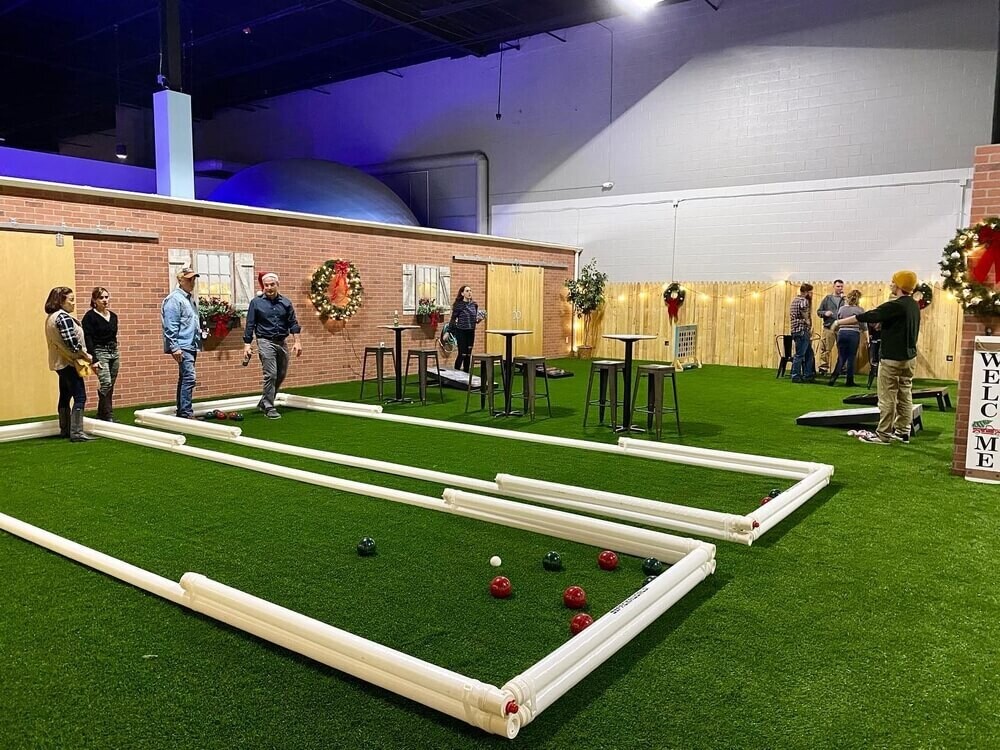
AI could also be used to create more sophisticated training simulations, allowing players to compete against virtual opponents with varying skill levels. We might also see the development of smart bocce courts that automatically track ball positions and score the game. Miniaturization of sensors will continue, leading to more accurate and durable smart balls. The development of more energy-efficient sensors will also be crucial, extending battery life and reducing the need for frequent charging.
Ultimately, the goal is to enhance the bocce experience without fundamentally changing the game. The technology should be a tool to help players improve their skills and enjoy the sport more, not a distraction from the core appeal of bocce ball.
What feature would you most like to see in smart bocce equipment?
Vote below and tell us which innovation you think would make the biggest difference in training and gameplay.


No comments yet. Be the first to share your thoughts!