

Bocce’s Gentle Appeal for Seniors
Bocce ball offers seniors a fun, social, and low-impact way to stay active. It welcomes all skill levels with a relaxed pace, making it ideal for gentle exercise and companionship. Beyond physical benefits, bocce fosters connection and friendly competition.
Bocce's appeal is deepened by its long history, tracing back to ancient Rome. Evolving through Italy and spreading globally, it's a pastime with enduring charm. Its longevity suggests a game that's well-loved for good reason.
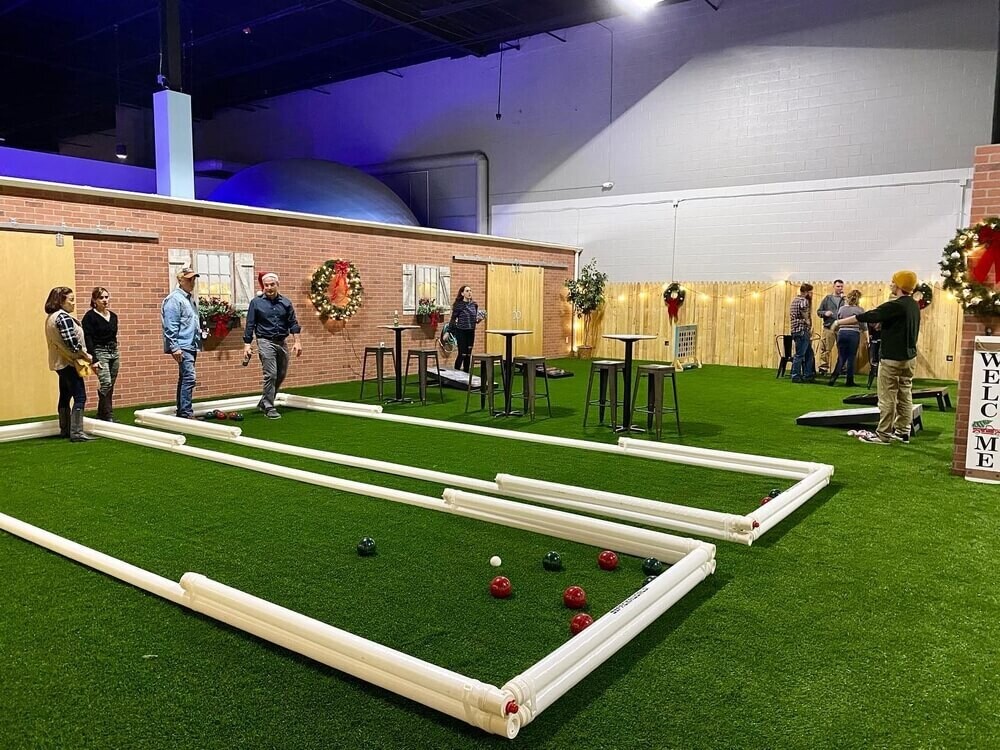
The game focuses on enjoying the outdoors, socializing, and strategic thinking, rather than intense athleticism. Bocce can be played individually or in teams, offering flexibility and inclusivity. It builds community and a sense of belonging, vital for well-being in later life.

Health Perks: More Than Just Fun
The benefits of bocce ball extend far beyond simple enjoyment. Physically, the game offers a gentle workout that improves hand-eye coordination, balance, and flexibility. The act of throwing and walking on the court engages various muscle groups without putting excessive strain on joints. It’s a great way to maintain mobility and prevent falls, a significant concern for seniors.
Mental and emotional benefits are also substantial. Bocce demands strategic thinking, from planning shots to anticipating opponents' moves. This mental engagement sharpens the mind and can improve cognitive function. The social interaction combats isolation and fosters connection.
A typical game, according to University of Wisconsin-Eau Claire rules, consists of three rounds, offering sustained, low-intensity activity. The objective—getting your bocce balls closer to the pallino than your opponent—is simple and accessible to all experience levels.
Understanding the Basic Gameplay
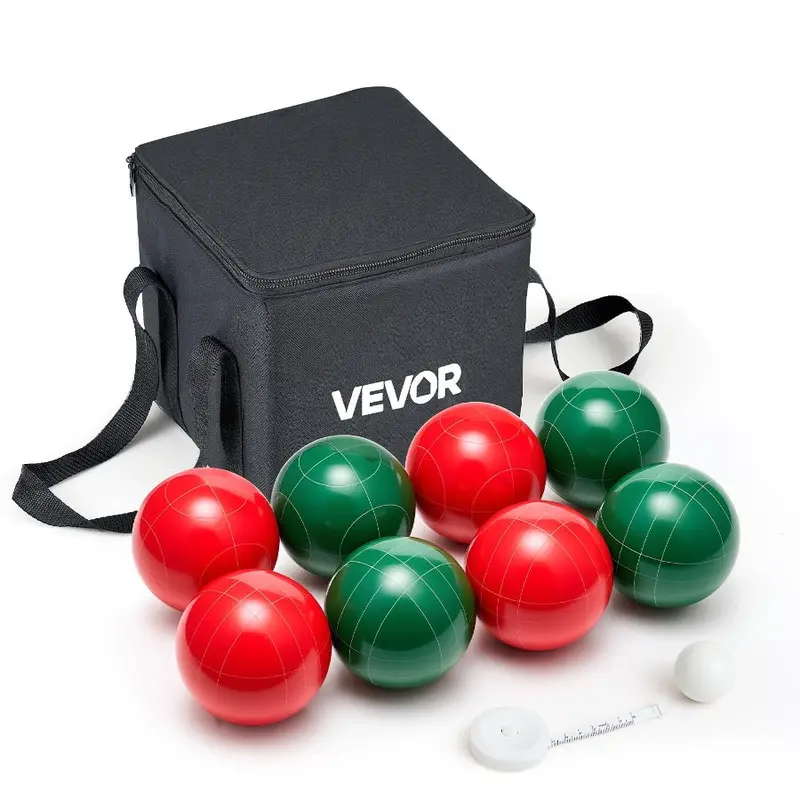
To play bocce ball, one team starts by throwing the pallino (the jack), a small white ball, to set the target. Teams then alternate throwing their bocce balls, aiming to get them as close to the pallino as possible. It's a simple premise, but mastering the technique requires practice.
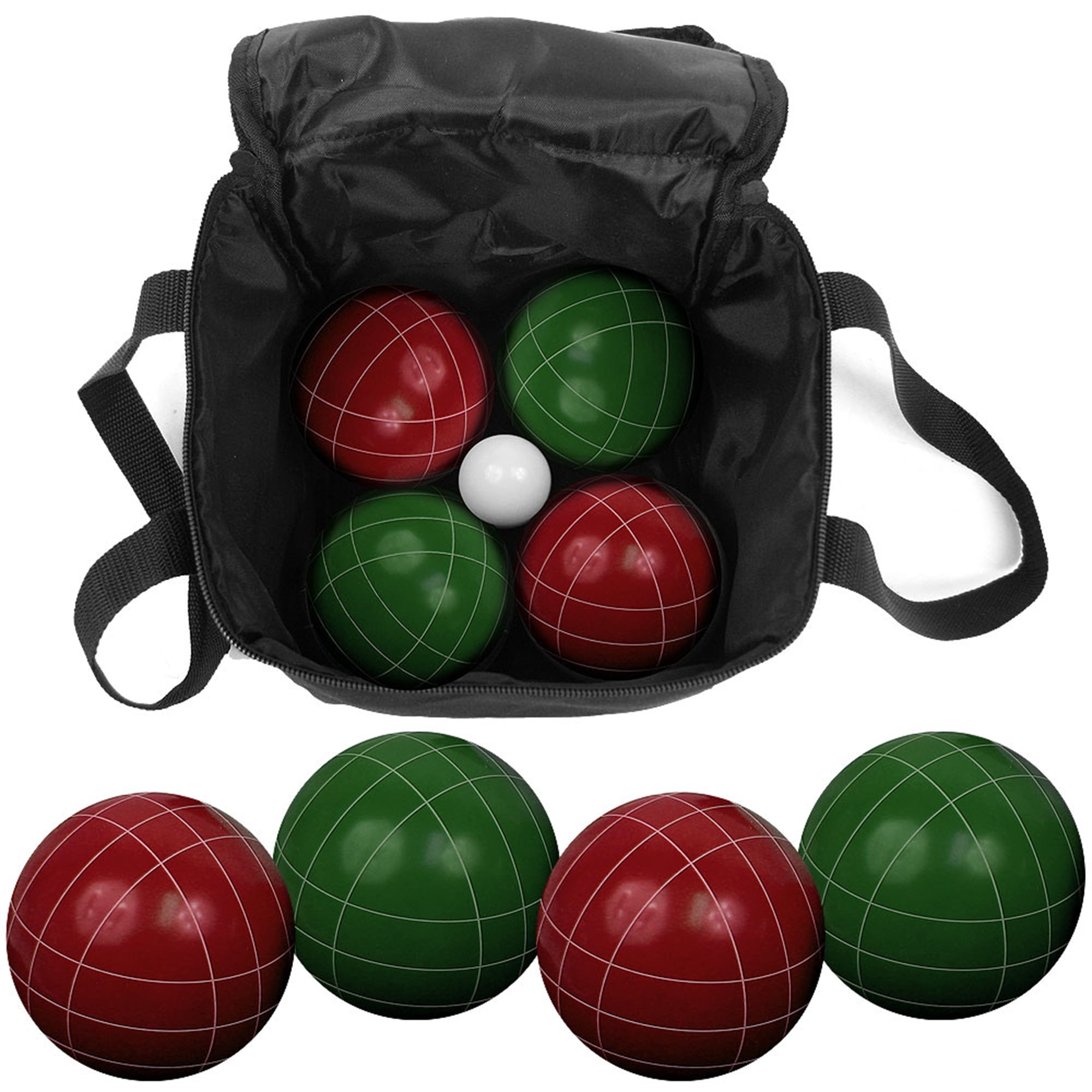
GoSports® Bocce Ball Game Rules, detailed by uwec.edu, specify eight 90mm bocce balls (two each of red, green, blue, and yellow) and one 50mm white pallino ball. Points are awarded after all balls are thrown based on proximity to the pallino. Only one team scores per round; they receive a point for each ball closer to the pallino than the opponent's closest ball.
Beginners often throw too hard, losing control and accuracy; a smooth, controlled throw is better. Another common mistake is ignoring the terrain, as court surface affects the ball's roll. The first team to reach 12 points, winning by at least two, wins the game. The scoring system is straightforward, and keeping track adds to the fun.
Rule variations exist, especially in casual games, but core principles remain consistent. Ask experienced players questions and practice regularly to improve your game.
Adaptive Equipment: Bocce for Everyone
Bocce ball is inclusive, with adaptive equipment available for seniors facing physical limitations. Ball retrievers, ranging from simple grabbers to motorized versions, eliminate the need to bend or walk far to collect balls for those with limited mobility.
Ramps allow individuals with limited arm strength or range of motion to throw bocce balls, with adjustable angles and distances for a customized experience. Larger, softer balls are also available, easier to grip for those with arthritis or hand weakness.
Court modifications enhance accessibility. Level, firm surfaces are crucial for wheelchair users, and wider lanes or ramps onto the court aid navigation. Focus on equipment prioritizing ease of use and comfort.
Assistive devices not specific to bocce, like walkers or canes, can offer support and stability. The aim is to find solutions enabling everyone to enjoy the game safely and comfortably.
Simple Strategies to Improve Your Game
Once you know the basic rules, incorporate simple strategies to improve your game. Blocking uses your bocce balls to protect the pallino or obstruct opponents' shots. Pointing involves carefully aiming to get your balls as close to the pallino as possible, requiring precision and control.
Shooting attempts to knock opponents' balls away from the pallino, requiring power and accuracy for effectiveness. Reading the court—assessing terrain, wind, and ball positions—is also important. Anticipating opponents' moves provides a significant advantage.
Avoid overcomplicating. Small adjustments to aim or throwing technique can make a big difference. Focus on consistency and accuracy over power. Bocce relies on finesse as much as force; even a slight angle change can alter the outcome.
Consider the throwing order. Having a skilled pointer go first can establish a strong position near the pallino, allowing others to focus on blocking or shooting to support that placement.
Finding Local Bocce Opportunities
To start playing, check with your local parks and recreation department. Many communities offer public bocce ball courts, and some host leagues or tournaments. Senior centers are also excellent resources, often hosting bocce groups for seniors.
Online resources, such as bocce ball websites with league and club directories, can help you find opportunities. Local social media groups are also good for connecting with players. Reach out and ask about local games.
The social aspect is a major draw; joining a league or group offers a chance to meet people and build friendships. It's a great way to stay active, engaged, and connected to your community. Camaraderie and friendly competition make bocce ball rewarding.
Troubleshooting Common Issues
Playing bocce ball, like any physical activity, can sometimes present challenges. Seniors might experience pain or fatigue, especially during longer games. It’s essential to listen to your body and take breaks when needed. Don’t push yourself beyond your limits. Staying hydrated is also crucial.
Different court surfaces can also pose a challenge. Grass courts tend to be slower and less predictable than hard courts. Adjusting your throwing technique accordingly can help maintain accuracy. Wearing appropriate footwear with good traction is also important. Be prepared for variations in conditions.
Frustration is a natural part of any game. If you’re struggling with your throws or losing points, try to stay positive and focus on enjoying the experience. Remember, bocce ball is about having fun, not just winning. Don’t be afraid to ask for advice from more experienced players.
If you have underlying health conditions, it’s always a good idea to consult with your doctor before starting any new exercise program. They can provide personalized recommendations based on your individual needs and limitations.
Bocce Ball Variations: Keeping it Fresh
To keep things interesting, consider exploring different variations of the game. You can adjust the team sizes, changing from one-on-one to two-on-two or even larger teams. Modifying the scoring rules can also add a new dimension. For example, you could award extra points for particularly skillful shots.
Court layouts can also be altered. Some players enjoy setting up obstacles or creating different target zones. Backyard bocce rules, as discussed in the unavailable YouTube video, often involve more relaxed rules and a greater emphasis on fun and socializing. While I’m unable to access the video's specific content, it highlights the adaptability of the game.
The beauty of bocce ball is its versatility. It can be adapted to suit different preferences, abilities, and playing environments. Don’t be afraid to experiment and create your own variations. The most important thing is to find a way to enjoy the game and stay active.

No comments yet. Be the first to share your thoughts!