

Bocce to the World Stage
Bocce ball makes its Olympic debut at the 2026 Winter Games in Milan and Cortina d'Ampezzo. This strategically complex game, loved by millions, is finally on the Olympic program. It’s a great chance to introduce bocce to a new audience. The game is easy to learn but challenging to master.
Bocce's origins trace back to ancient Rome. The game spread through Europe, especially Italy and France, before Italian immigrants brought it to the Americas in the 19th century. It's been a staple in gatherings and leagues but often overlooked by mainstream sports. That's changing now.
Bocce's Olympic inclusion follows a growing push for recognition, driven by international popularity and the Confédération Mondiale de Boules Sports (CMBS). The CMBS standardized rules and promoted the sport globally. Bocce is accessible, requiring minimal equipment, playable on various surfaces, and inclusive to all ages and abilities.
Bocce's inclusion aligns with the Olympic movement's commitment to diversity and inclusivity. It offers an athletic challenge prioritizing precision, strategy, and mental fortitude over speed or power. Experience and finesse can triumph over youth and athleticism, making for compelling viewing.
Official Olympic Rules: A Deep Dive
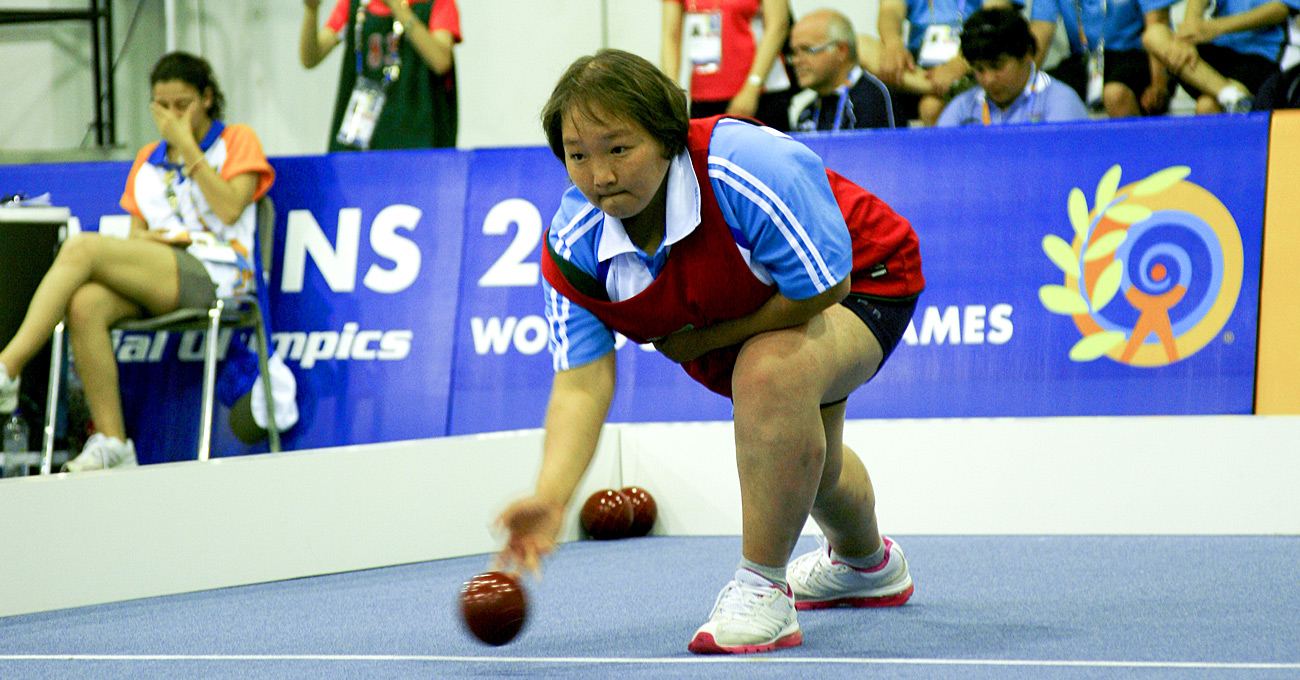
The 2026 Olympic bocce competition follows CMBS rules, with adjustments for the Olympic format. The court is a rectangular playing surface measuring 27.5 meters long and 3.5 meters wide. It is divided into zones for scoring and gameplay.
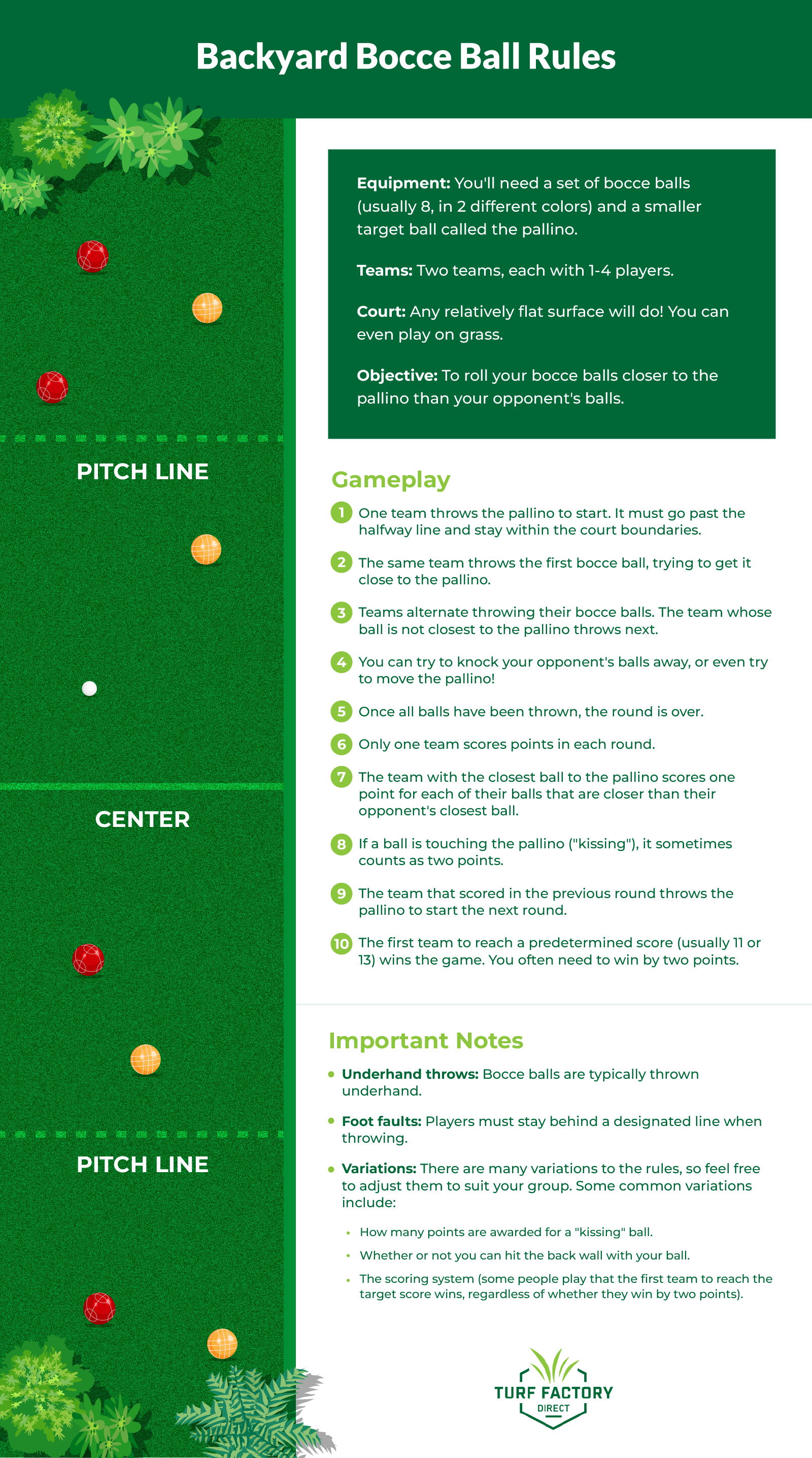
Each team has four players and uses eight bocce balls (four per team in two colors). The balls are resin or plastic, 86-92 mm in diameter, and weigh 600-800 grams. A standard set includes balls in red, green, blue, and yellow, plus a smaller pallino (jack) ball.
A coin toss determines which team throws first. The first team throws the pallino (a smaller, white ball) beyond the center line. Then, that team throws their first bocce ball, aiming for proximity to the pallino. The opposing team throws, trying to get closer or displace opponent balls.
Throws alternate until all eight bocce balls are played. Key rules include "pointing’ (placing the ball near the pallino) and ‘shooting’ (hitting an opponent"s ball). Throws must be underhand, and players must stay within designated zones. Violations result in a foul and a nullified throw.
Pallino placement rules are specific: it must land within the designated area and not in side ditches. If the initial throw fails, the opposing team places it. This opening phase is crucial for setting up the round.
- Court Dimensions: 27.5 meters long x 3.5 meters wide
- Bocce Ball Diameter: 86-92 millimeters
- Bocce Ball Weight: 600-800 grams
- Number of Balls per Team: Four
Recreational vs. Olympic Bocce: A Rules Comparison
| Rule Aspect | Recreational Bocce | Olympic Bocce |
|---|---|---|
| Court Dimensions | Varies significantly; often played on grass, sand, or compacted surfaces with adaptable court lengths. | Standardized court: 25.5 meters long and 2.5-4 meters wide. The court surface is clay. |
| Ball Weight | Typically around 90mm in diameter; weight can vary but generally falls within a range suitable for comfortable throwing. | 84-92mm in diameter; balls must weigh between 650-800 grams. |
| Number of Players | Can be played with 2-4 players per team, adaptable to individual or team play. | Individual or teams of 1-3 players. |
| Scoring System | Generally, 1 point is awarded for each bocce ball closer to the pallino than the opponent’s closest ball. First team to reach 12 points, winning by at least 2, wins a frame. | 1 point is awarded for each bocce ball closer to the pallino than the opponent’s closest ball. Matches are played to a predetermined point total, often 10-15 points, dependent on tournament structure. |
| Tie-breaker rules | Often resolved by a single throw-off, or continuation of play until a clear winner emerges. | Tie-breaker rules are determined by tournament officials and may involve measuring distances with specialized tools, or additional throws. |
| Pallino (Jack) Placement | Rules regarding pallino placement can be flexible, often allowing for some leeway. | Strict rules govern pallino placement, including minimum and maximum distances from the foul line and boundaries. |
| Ball Material | Often made of resin or plastic. | Balls must be made of steel or a similar material. |
Illustrative comparison based on the article research brief. Verify current pricing, limits, and product details in the official docs before relying on it.
Scoring: Beyond 12 Points
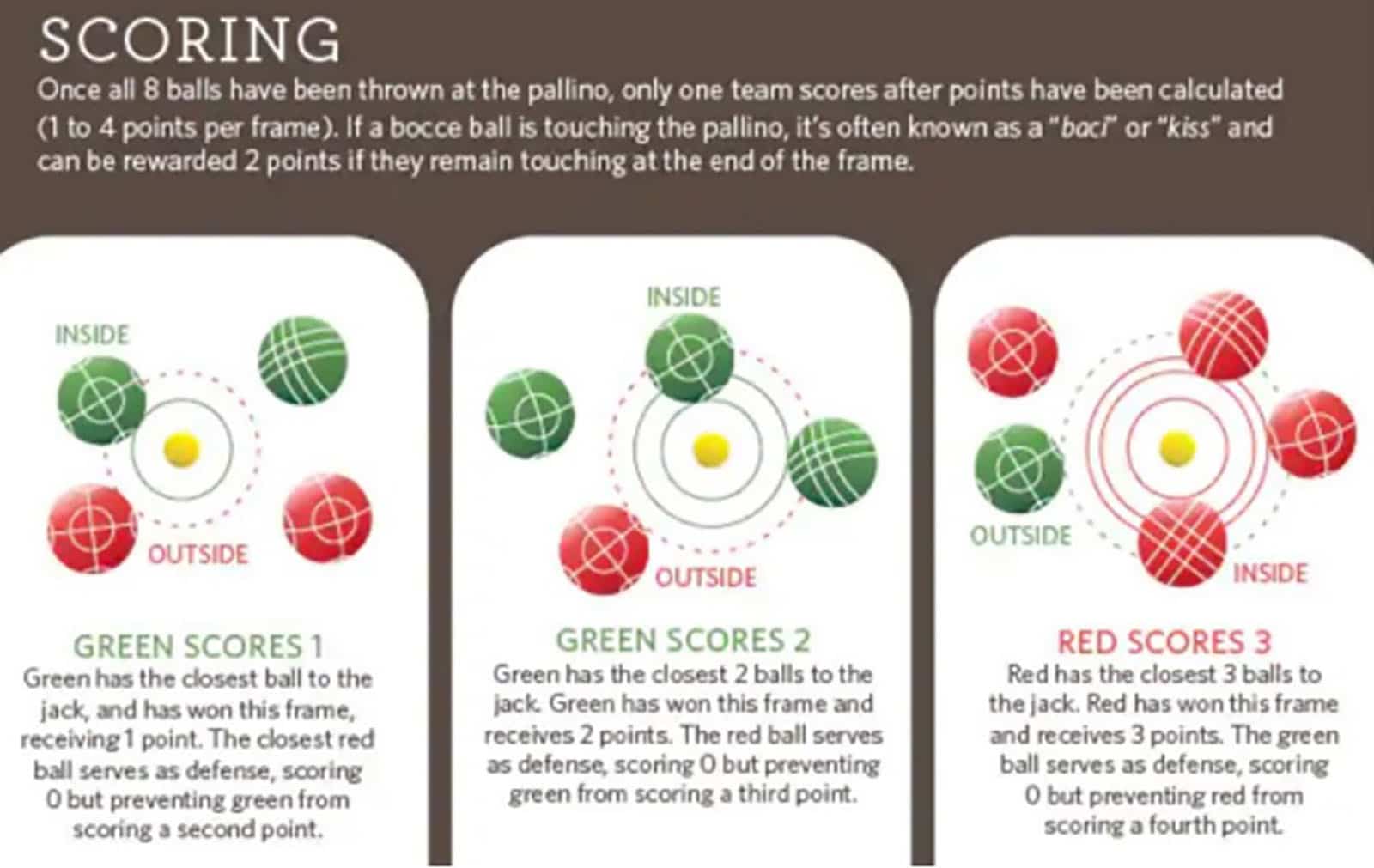
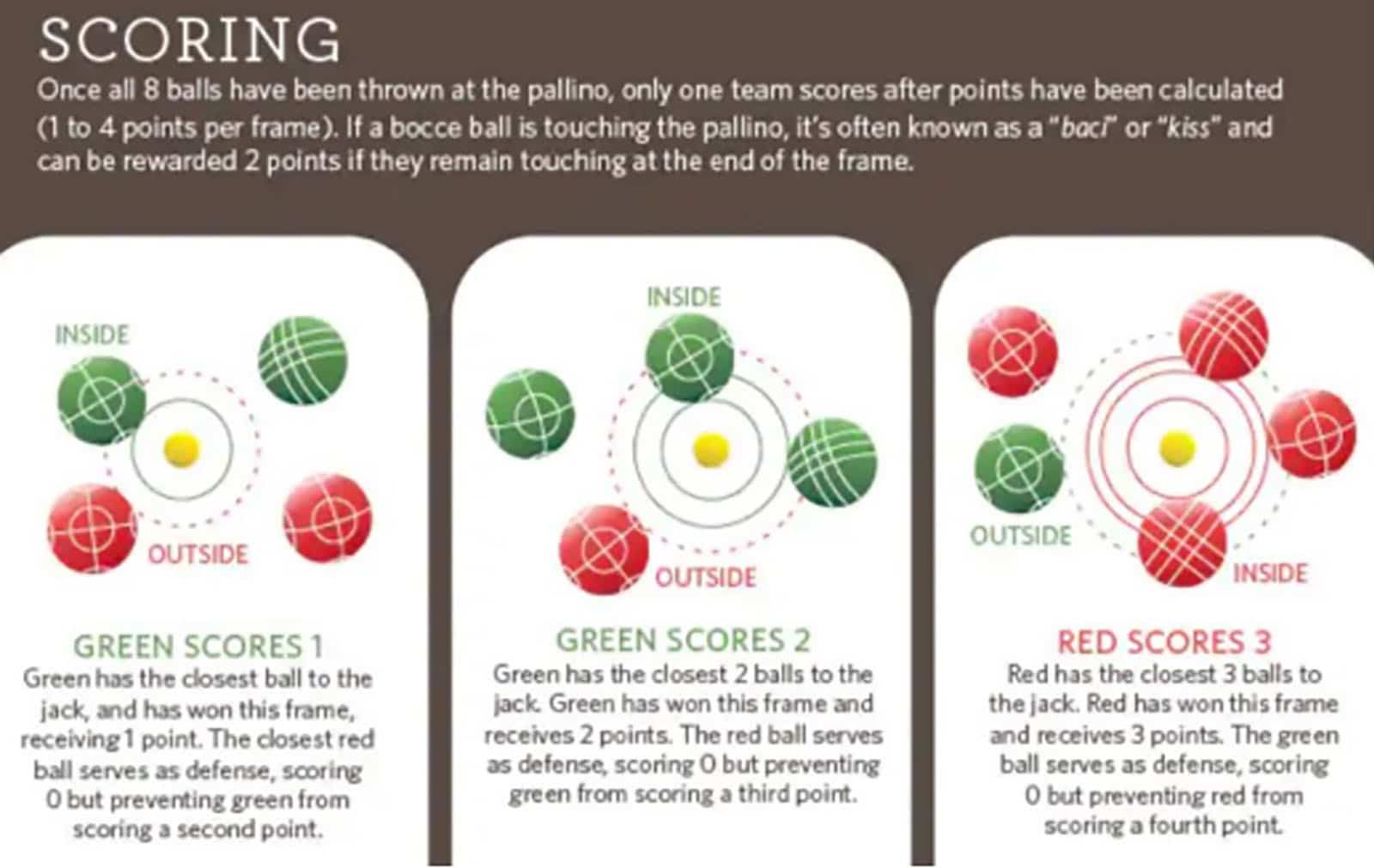
The objective is to score more points than your opponent. Points are awarded for bocce balls closest to the pallino. At the end of each round, the team with the closest ball scores one point for each of its balls nearer the pallino than the opponent's closest ball. This can become complex.
Determining the closest ball often requires careful measurement, especially with clustered balls. Referees use measuring devices; millimeters can matter. Bocce.org details measurement methods for fairness and accuracy. Debates over centimeters are common.
A team needs 12 points to win, but must win by at least two points. This rule adds strategy, as teams may play on after reaching 12 to secure a clear victory. Tied at 11-11, play continues until a two-point lead is established.
A typical match has three rounds; the team winning the majority wins the match. The scoring system rewards precision and strategic placement. Teams can block opponents, displace the pallino, or cluster their balls to maximize scoring.
Strategic Play: More Than Just Aiming
Bocce is a game of calculated strategy and refined technique. Experienced players use various techniques for advantage. "Pointing" involves rolling the ball precisely near the pallino, requiring a controlled swing and delicate touch.
"Shooting" is an aggressive technique to displace opponent balls or move the pallino favorably. It requires power and accuracy, often targeting a specific part of the ball. Mastering both pointing and shooting is fundamental.
"The giro" is a skillful technique involving spinning the ball upon release. This spin affects trajectory, helping the ball curve around obstacles or stop precisely. The giro takes practice but can be a game-changer.
Defensive strategies are equally important. Blocking opponent balls, creating barriers, and positioning balls to protect the pallino are key to winning. Experienced players analyze the court, anticipate opponent moves, and adjust strategy.
Players consider court conditions, as the surface affects the ball’s roll and speed. Adjusting throws accordingly and understanding court nuances are crucial for consistent performance. It involves reading the game, anticipating the opponent, and executing with precision.
- Pointing: Precise placement near the pallino.
- Shooting: Displacing opponent’s balls.
- The Giro: Spinning the ball for curved trajectories.
Fouls and Referee Decisions
Fair play is paramount in Olympic bocce. Official rules outline fouls that result in penalties. Stepping over the designated throwing line is a common foul; players must release the ball before crossing, or the throw is illegal.
Throwing from an incorrect position or using an illegal motion (e.g., overhand instead of underhand) is a foul. Interfering with an opponent's ball in motion is also a foul. These rules ensure a level playing field.
Referees enforce rules and resolve disputes, determining legal throws, measuring distances, and awarding points. Referee decisions are generally final, but teams can request reviews in certain circumstances.
undefinedputes often arise over close measurements or interpretations of the rules. In these cases, the referee will consult with assistant referees or use measuring devices to reach a definitive decision. The referee’s primary goal is to maintain a fair and sportsmanlike competition. It's a challenging job, requiring a thorough understanding of the rules and a keen eye for detail.
- Stepping over the throwing line: Illegal throw.
- Illegal throwing motion: (e.g., overhand throw).
- Interference with opponent’s ball: Results in a foul.
Team Composition & Olympic Format
Olympic bocce will feature both individual and team events. The individual competition will showcase the skill of single players, while the team event will test the coordination and strategy of four-player teams. The specific format for qualification is still being finalized, but it’s expected to involve a combination of world rankings, regional qualifying tournaments, and potentially a host nation spot.
The tournament bracket is likely to be a standard elimination format, with teams competing in a series of matches leading up to the gold medal game. The number of participating countries is expected to be around 32, representing a diverse range of bocce-playing nations. The exact number hasn't been confirmed by the IOC as of yet.
Team composition will be crucial. A successful team needs a blend of skills – strong pointers, accurate shooters, and players who can excel under pressure. Communication and teamwork are also essential. The ability to adapt to changing game conditions and make strategic adjustments on the fly will be key to success.
I’m not sure about the exact details of the qualification process, and it's subject to change. However, it's likely that teams will earn points based on their performance in international competitions leading up to the Olympics. The CMBS will play a central role in overseeing the qualification process and ensuring fairness.
What to Watch For: Key Players & Potential Upsets
Italy, France, and Croatia have historically been dominant forces in international bocce, and they are expected to be strong contenders for medals in 2026. Players like Andrea Bottero of Italy and Marco Crecco are consistently ranked among the world’s best and are ones to watch. Keep an eye on the Croatian team as well; they've been steadily improving in recent years.
However, don’t discount the potential for upsets. Countries like Brazil and Argentina have emerging bocce programs and could surprise some of the established powers. The United States is also investing in bocce development and may field a competitive team. It will be interesting to see how these emerging nations perform on the Olympic stage.
Dark horse candidates include teams from Tunisia and Venezuela, who have shown promise in regional competitions. Their success will depend on their ability to adapt to the pressure of the Olympic environment and execute their strategies effectively. The beauty of bocce is that anyone can win on any given day.
Ultimately, the 2026 Olympic bocce competition promises to be a thrilling showcase of skill, strategy, and sportsmanship. It’s a chance for the world to discover the joys of this captivating sport and witness the crowning of new Olympic champions. The level of competition will be incredibly high, and the potential for unexpected results is significant.
- Italy: Andrea Bottero, consistently top-ranked.
- France: Strong historical performance.
- Croatia: Steadily improving team.
Players to Watch - 2026 Olympics
- Deborah Lorenzatti (Italy) - A dominant force in women’s bocce, Lorenzatti has consistently ranked among the world’s best. Recent achievements include a gold medal at the 2023 World Bocce Championships in Porec, Croatia (individual category) and multiple Italian national championships.
- Salvatore Russo (Italy) - A veteran competitor known for his strategic play and precision. Russo secured a silver medal at the 2021 European Championships and continues to be a key member of the Italian national team.
- Ye Zhiqiang (China) - A rising star in men’s bocce, Ye has demonstrated exceptional skill and consistency. He won a gold medal at the 2022 Asian Para Games and is a strong contender for Olympic success.
- Cristian Filippi (Italy) - Filippi is a highly decorated bocce player with a long and successful career. He has won multiple World Championships and European Championships, and remains a formidable opponent.
- Anaëlle Doyen (France) - A leading player in French bocce, Doyen has achieved success in both individual and team competitions. She has won several French national championships and represented France in international tournaments.
- José María Angulo (Spain) - Angulo is a well-respected player known for his tactical awareness and skillful execution. He has consistently performed well in Spanish national competitions and international events.
Bocce Ball Etiquette: Respect on the Court
While not codified in the official rulebook, bocce ball has a strong tradition of etiquette and sportsmanship. Respect for your opponents is paramount. This includes avoiding excessive celebrations, refraining from distracting opponents during their throws, and acknowledging good shots from the other team.
Maintaining a positive and friendly atmosphere is also important. Bocce is often played in a social setting, and a spirit of camaraderie enhances the experience for everyone involved. A simple “good luck” before a throw or a congratulatory remark after a good shot goes a long way.
Avoid unnecessary delays or disruptions to the game. Be mindful of your surroundings and ensure that you are not interfering with other players. Good sportsmanship isn’t just about winning or losing; it’s about enjoying the game and respecting the traditions of the sport. It's a game about precision, but also about enjoying the company of others.
No comments yet. Be the first to share your thoughts!