
Bocce is more than a backyard toss
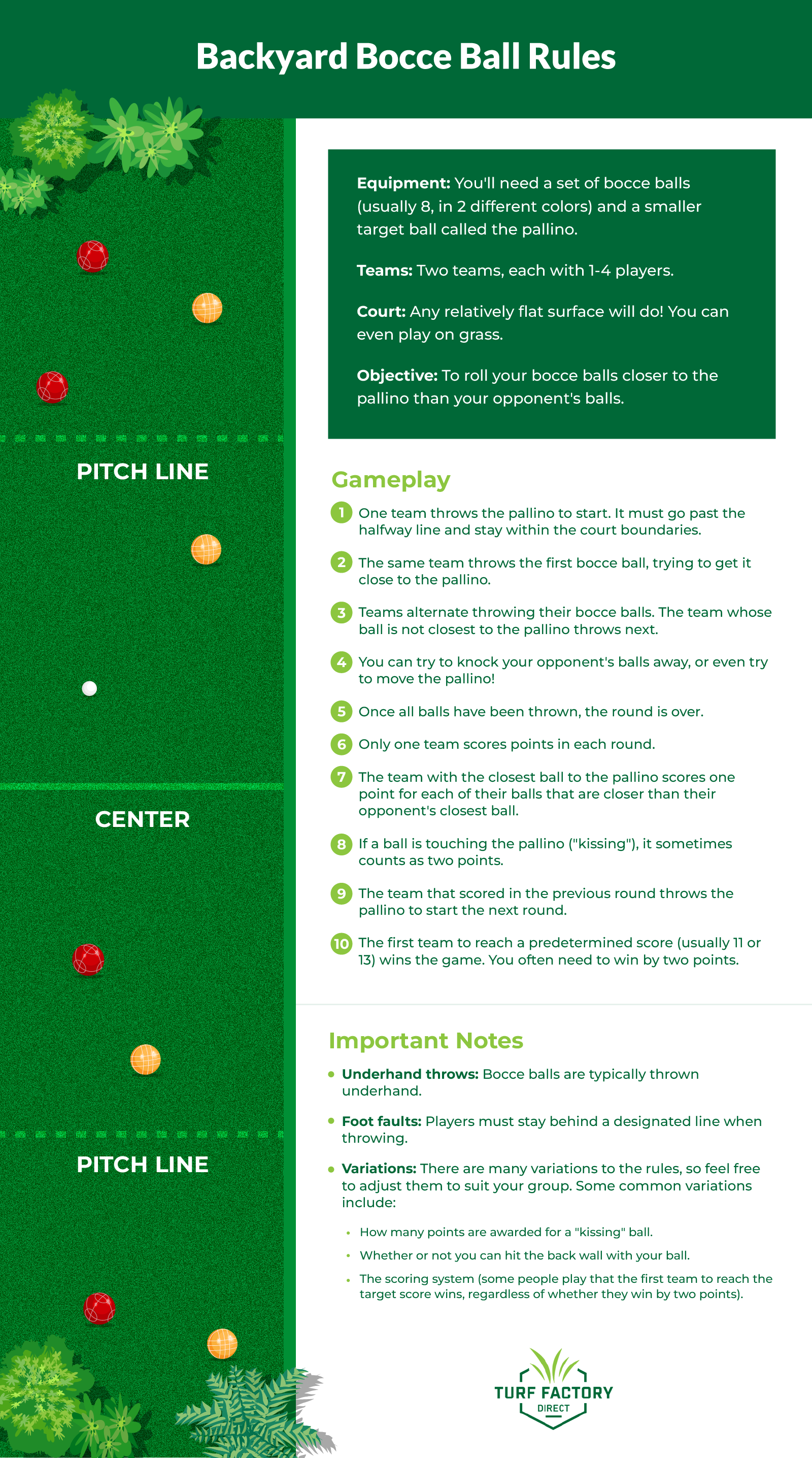
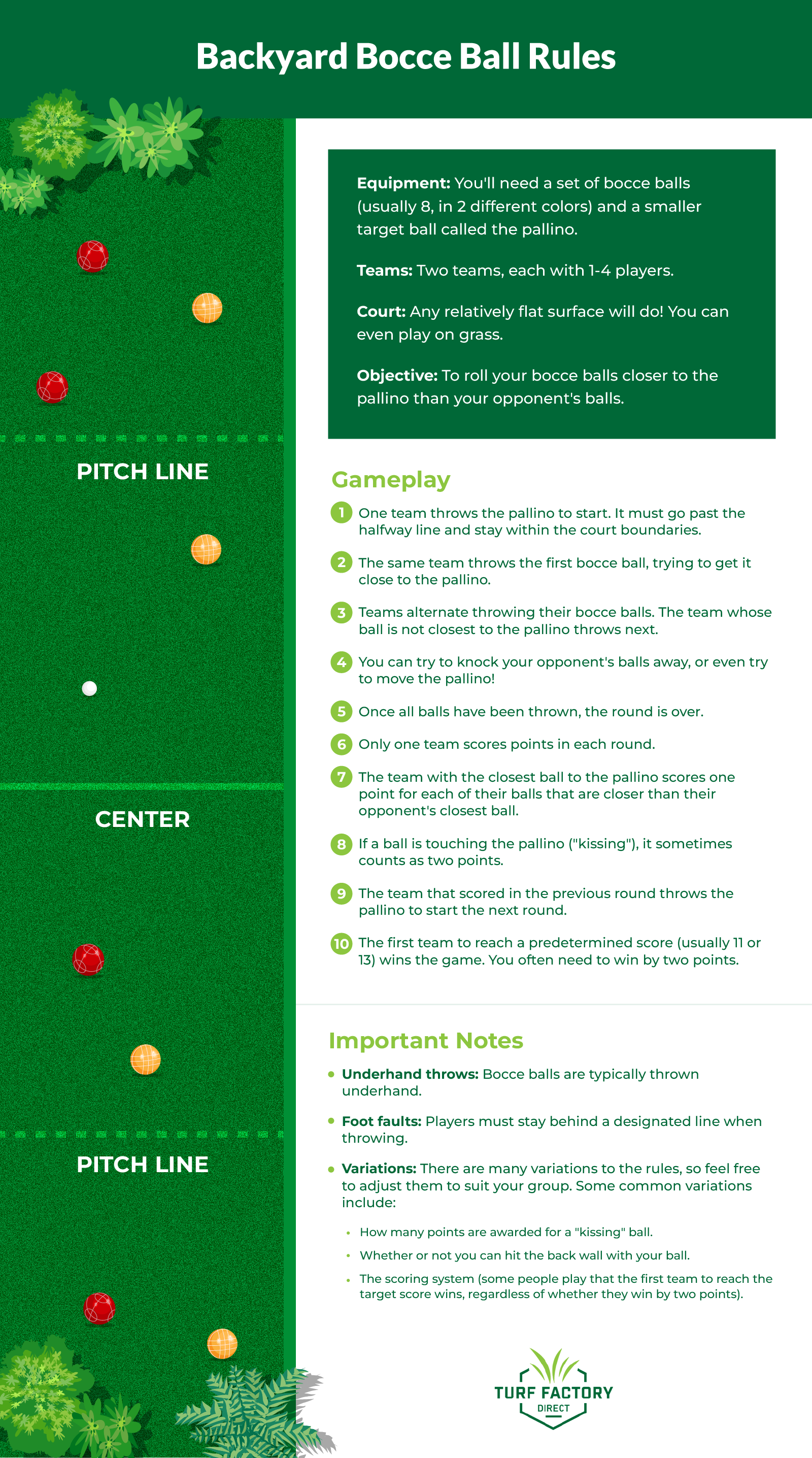
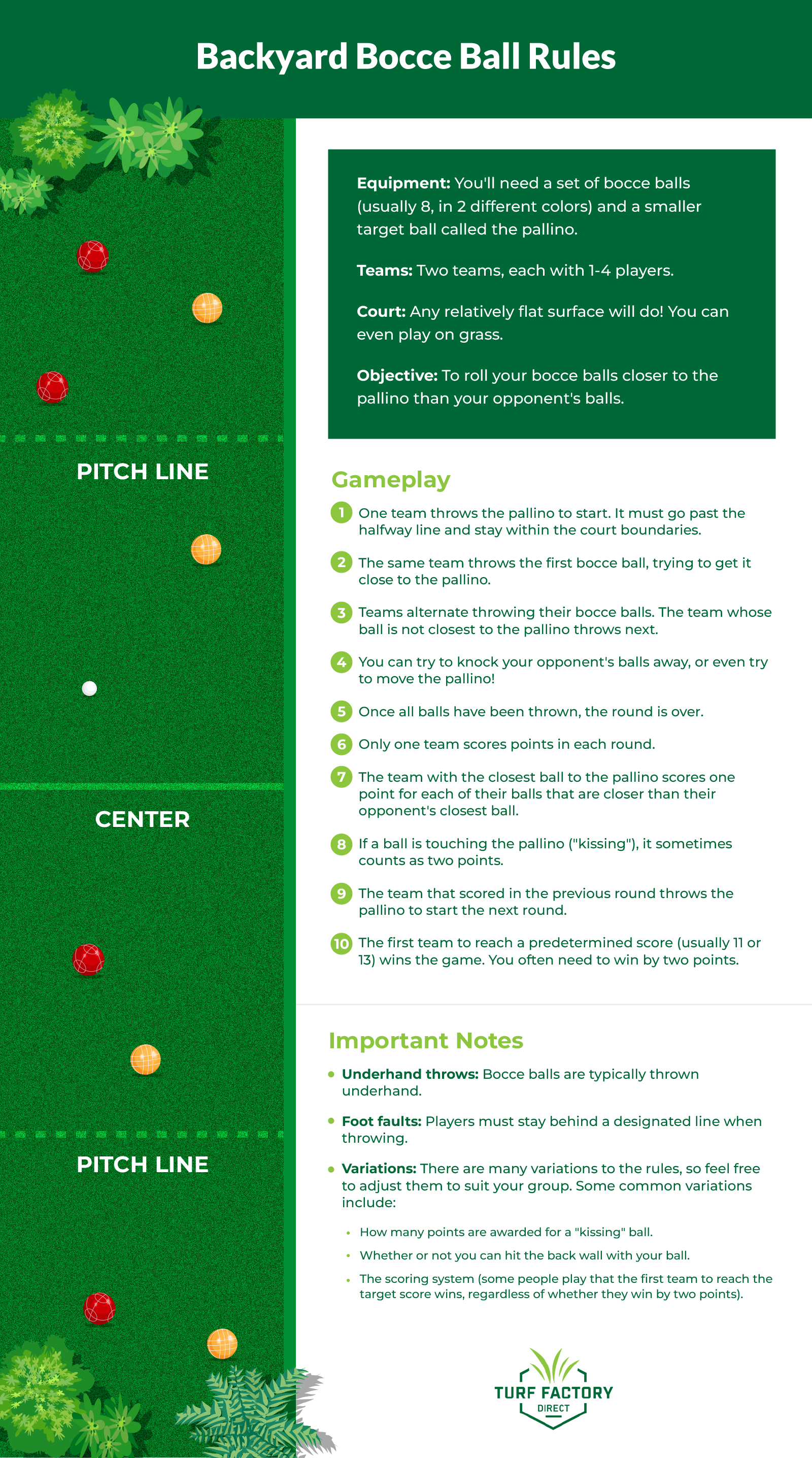
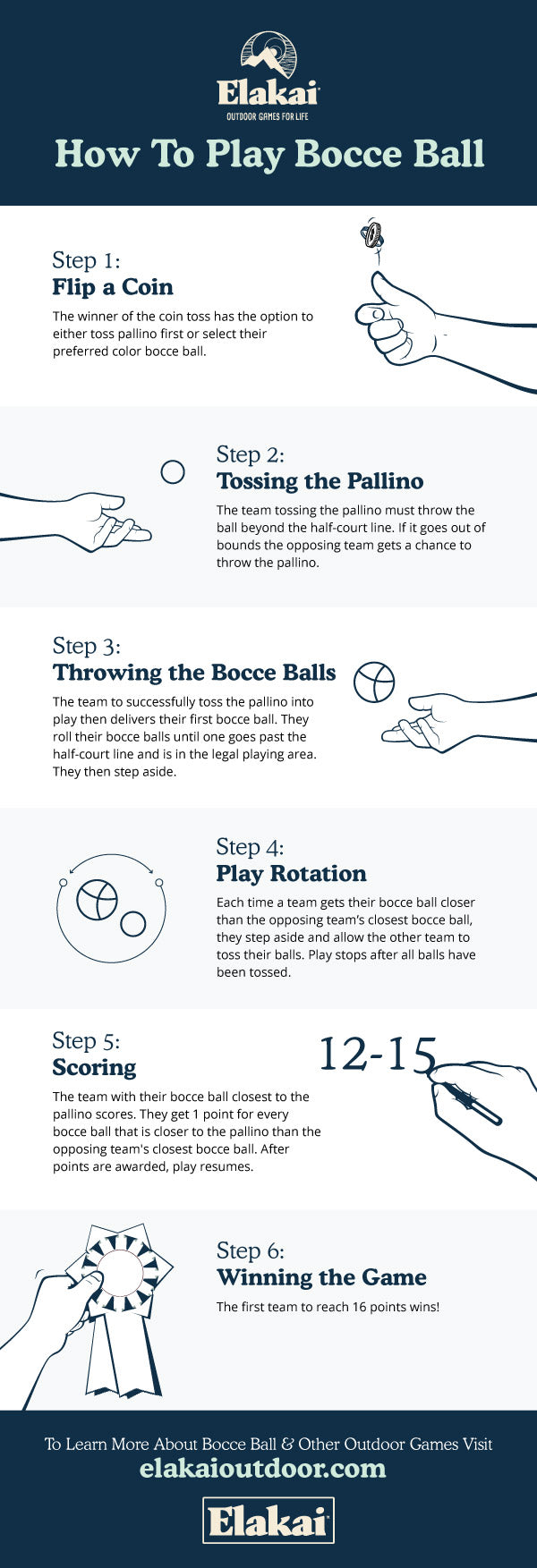
Bocce looks like a simple backyard distraction, but the math changes once you move past the basics. The goal is to get your balls closer to the pallino than the other team, usually playing to 12 points. While the rules are straightforward, the game is won through positioning and physics rather than just luck.
Even players who have been enjoying bocce for years can significantly improve their game with a deeper understanding of technique and tactics. It’s not just about who can throw the hardest, or even the most accurately in a vacuum. It's about anticipating, adapting, and outsmarting your opponent. The increasing popularity of competitive bocce, with organized leagues and tournaments popping up across the country, is a testament to the game's surprising depth.
Serious players are moving away from casual tosses toward specific tactical setups. If you want to win more consistently, you need to master these five approaches to the court.
The point shot: precision over power
The foundation of any good bocce strategy is the point shot – aiming directly at the pallino. It sounds basic, but it’s where many beginners go wrong. They try to muscle the ball, focusing on power over accuracy. This often results in overthrows or balls that veer off course. The key is to prioritize precision.
Grip is essential. Hold the ball comfortably in your palm, allowing for a smooth release. Your stance should be balanced and relaxed, with a slight bend in your knees. Focus on a consistent release point and follow-through. Don't try to 'steer' the ball mid-flight; a clean release is far more effective. Consistent practice is the only way to master this.
Reading the court surface is equally important. Is the grass long or short? Is there a noticeable slope? These factors will affect the ball’s roll. Adjust your aim and power accordingly. It’s not always about throwing at the pallino in a straight line; sometimes, you need to arc your throw around obstacles or use the slope to your advantage. A subtle curve can be surprisingly effective.
It’s like golf. A soft touch often beats a hard swing. Controlling the distance and how the ball lands gives you an immediate advantage over players who just throw and hope.
- Keep your grip relaxed so the ball sits deep in your palm.
- Stance: Balanced with a slight knee bend.
- Release: Smooth and consistent.
- Court Reading: Observe grass length and slope.
Spocking for defense
Spocking is a defensive move where you drop a ball specifically to block the opponent's path to the jack. You aren't trying to score with this throw; you're just making their next shot impossible.
The key to a good spock is placement. You don’t necessarily need to throw with a lot of force. Instead, focus on positioning your ball to create a difficult shot for your opponent. Think about the angles and anticipate where they are likely to aim. A well-placed spock can force them to attempt a risky shot, increasing their chances of error.
Often, a strategically placed spock is far more valuable than a point. It can disrupt your opponent’s momentum and give you more control of the court. Don't underestimate the power of denying your opponent a good shot – sometimes, defense is the best offense. It's a subtle art, but mastering it can be game-changing.
- Focus on blocking lanes rather than using raw power.
- Anticipate Opponent Shots: Predict their likely aim.
- Disrupt Momentum: Force risky throws.
The raffica: high risk, high reward
The raffica, also known as a "shoot,’ is an aggressive tactic where you attempt to knock the pallino and your opponent’s balls out of position. It"s a high-risk, high-reward play that should be used sparingly. It requires more force and a different release angle than a standard point shot.
When should you attempt a raffica? Generally, it’s best reserved for situations where you’re behind and need to make a significant change. If you're trailing and your opponent has a strong position, a well-executed raffica can completely swing the momentum. However, if you miss, you could inadvertently help your opponent.
The technique involves a more forceful throw with a lower trajectory. You need to aim carefully, considering the potential bounces and roll. Successful rafficas often rely on a good read of the court and the ability to predict how the balls will react. It’s not a shot to attempt lightly, but when it works, it can be devastating.
Reading the roll
This isn’t a specific throw, but a crucial skill that underpins all effective bocce play: court awareness. You need to analyze the playing surface – the grass condition, any slopes, and potential obstacles – and understand how these factors will affect the ball's roll. A seemingly flat surface can have subtle undulations that significantly alter the trajectory.
Different ball weights and materials will react differently to various surfaces. Heavier balls will be less affected by wind and minor imperfections, while smoother balls will roll more predictably on a well-maintained court. Experienced players can often predict bounces with surprising accuracy, taking into account the texture of the grass and the angle of incidence.
Pay attention to the moisture content of the grass. A wet surface will slow down the ball, while a dry surface will allow it to roll further. Observe how other balls have rolled previously – this will give you valuable clues about the court’s characteristics. Mastering court awareness is about developing a feel for the game and anticipating how the balls will behave.
As noted by players on njbocce.wordpress.com, developing this skill takes time and observation, but it’s essential for consistent success.
Silent team signals
Bocce is often played in teams, and effective communication is vital for success. However, you need to communicate without giving away your intentions to the opposing team. This is where non-verbal cues come into play.
Develop a system of hand signals and eye contact to indicate desired shots. A subtle nod can signal agreement, while a slight shake of the head can indicate disagreement. Discuss strategy briefly and quietly between throws, avoiding any loud or obvious discussions. Trust and understanding between teammates are essential.
Banter can get in an opponent's head, but keep it focused on the game. The goal is to break their concentration, not to be a jerk. Since bocce is social, keep the talk light enough that people still want to play with you afterward.
When to Communicate vs. When to Stay Silent: A Bocce Ball Decision Matrix
| Situation | Communication Level | Recommended Action | Rationale |
|---|---|---|---|
| Opponent is setting up a clear block | Quick Signal | Briefly indicate intended response (e.g., point to target area, hand signal for 'over' or 'around') | A quick signal minimizes disruption while allowing teammates to anticipate your play. Avoid lengthy discussion that gives the opponent time to adjust. |
| You have a clear shot to the pallino | Silent Execution | Focus entirely on the throw. No communication. | Distraction can ruin a well-aimed shot. Confidence and focused execution are key in these situations. |
| You’re unsure of your throw’s trajectory (wind, ground conditions) | Detailed Strategy Discussion | Briefly discuss options with your teammate, considering wind, ground, and opponent positioning. | Acknowledging uncertainty and collaboratively assessing the situation increases the chance of a successful shot. Keep the discussion concise. |
| Opponent just made a strong point play | Quick Signal | Indicate general strategy shift (e.g., 'attack,' 'defend,' 'block') | A quick signal allows a coordinated response without revealing specific intentions, giving the opponent less information. |
| Teammate is preparing a difficult shot | Minimal Encouragement | Offer a simple, supportive phrase ('Good luck,' 'Focus') | Avoid adding pressure. Positive reinforcement can help maintain composure. |
| End of a close frame, needing a specific point value | Detailed Strategy Discussion | Discuss point needs and potential shot outcomes with teammates. | Precise calculation and a clear strategy are essential when points are critical. |
| Opponent is attempting a difficult ‘spock’ (hitting another ball high in the air) | Silent Observation | Observe the throw closely without comment. | Analyzing the opponent’s technique can provide valuable insights for future shots. Avoid providing any reaction that might encourage or discourage them. |
Illustrative comparison based on the article research brief. Verify current pricing, limits, and product details in the official docs before relying on it.
No comments yet. Be the first to share your thoughts!