

Bocce Basics: The Court and Equipment
Bocce ball is a game steeped in history, but surprisingly simple to get started with. The core of the game revolves around throwing balls close to a smaller target ball, the pallino. You don’t need a perfectly manicured lawn or a dedicated court to enjoy a game. In fact, many people start with a backyard setup, and that’s perfectly acceptable.
A standard bocce court is 60 feet long and 10 feet wide, though these dimensions can be adjusted for casual play. The surface can be grass, dirt, gravel, or even a synthetic surface, but it should be relatively level. Markings often indicate the foul lines and the center of the court, but these aren't strictly necessary for a friendly game.
The game requires eight bocce balls, typically divided into two colors – four balls per team. These balls are usually around 90mm in diameter and weigh between 800-900 grams. A set also includes one smaller pallino ball, about 50mm in diameter. A GoSports® Bocce Ball Game set, as described by UWEC, includes all of this, plus a distance marker and a carrying case, making it a convenient option for beginners.
The First Roll: Gameplay Sequence
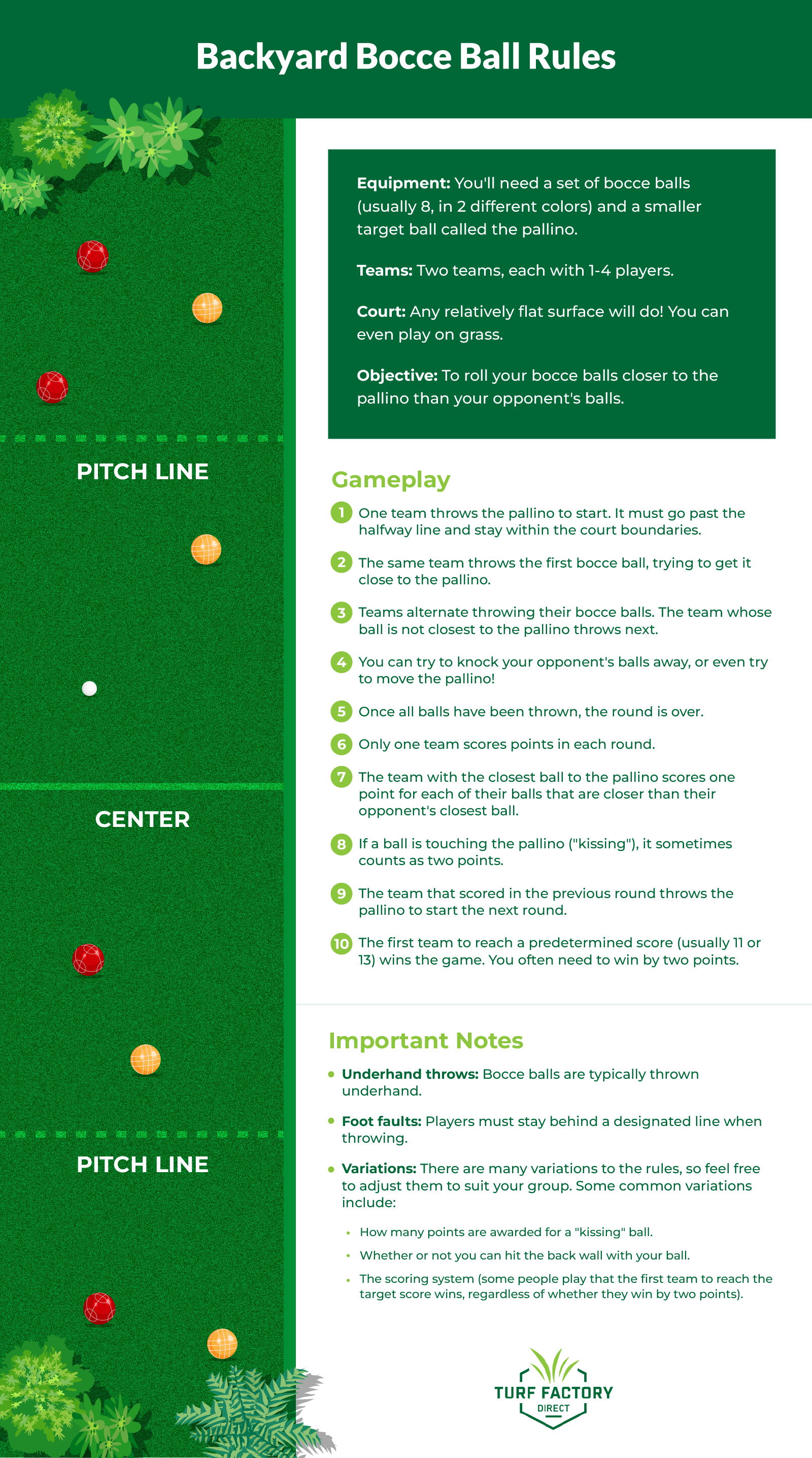
Starting a game of bocce is straightforward. Typically, a coin toss determines which team goes first. The winning team gets to throw the pallino – they must throw it beyond the center line, but within the court boundaries. This initial throw sets the target for the rest of the round.
Once the pallino is in play, the team that threw the pallino throws their first bocce ball. The opposing team then throws a ball, attempting to get closer to the pallino or to knock the first team’s ball away. Play continues in this alternating fashion until both teams have thrown all four of their balls.
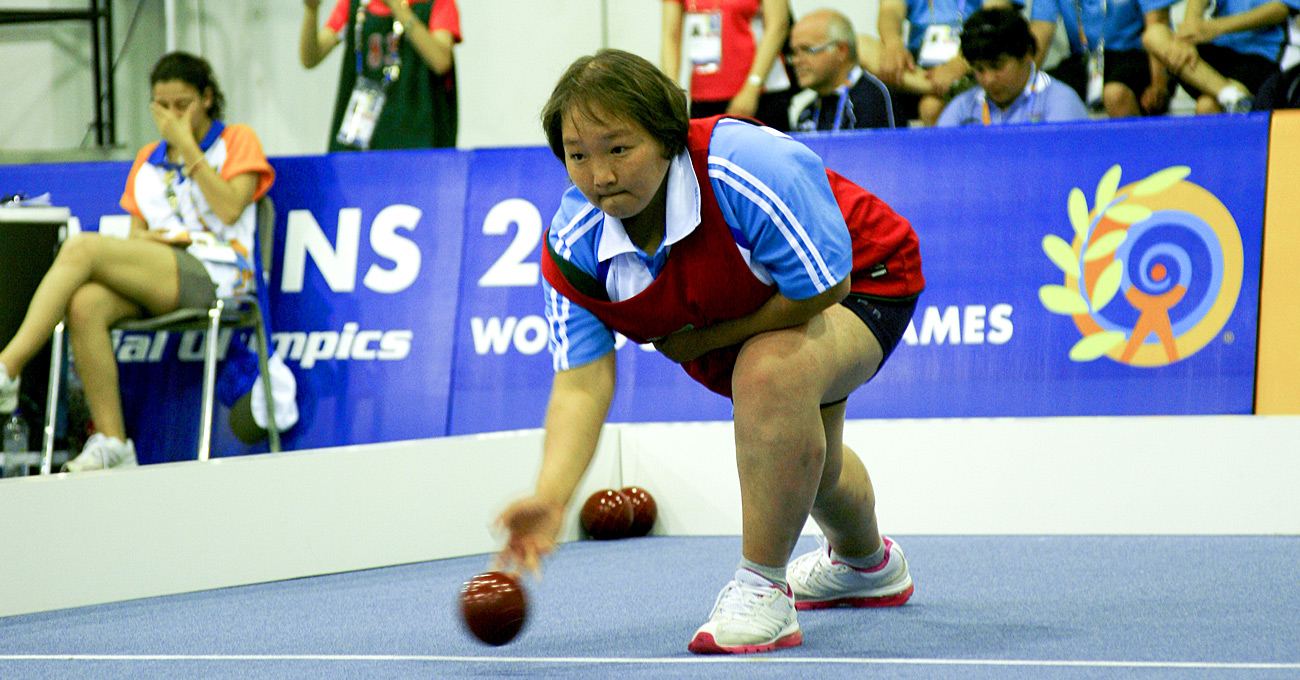
Throughout the round, players will employ two main strategies: "pointing’ and ‘shooting’. Pointing involves gently rolling the ball towards the pallino, aiming for close proximity. Shooting, on the other hand, is a more forceful throw intended to displace opponents" balls. Don't worry too much about mastering these techniques right away; focus on getting the basic throwing motion down first.
Scoring: How Points Are Awarded
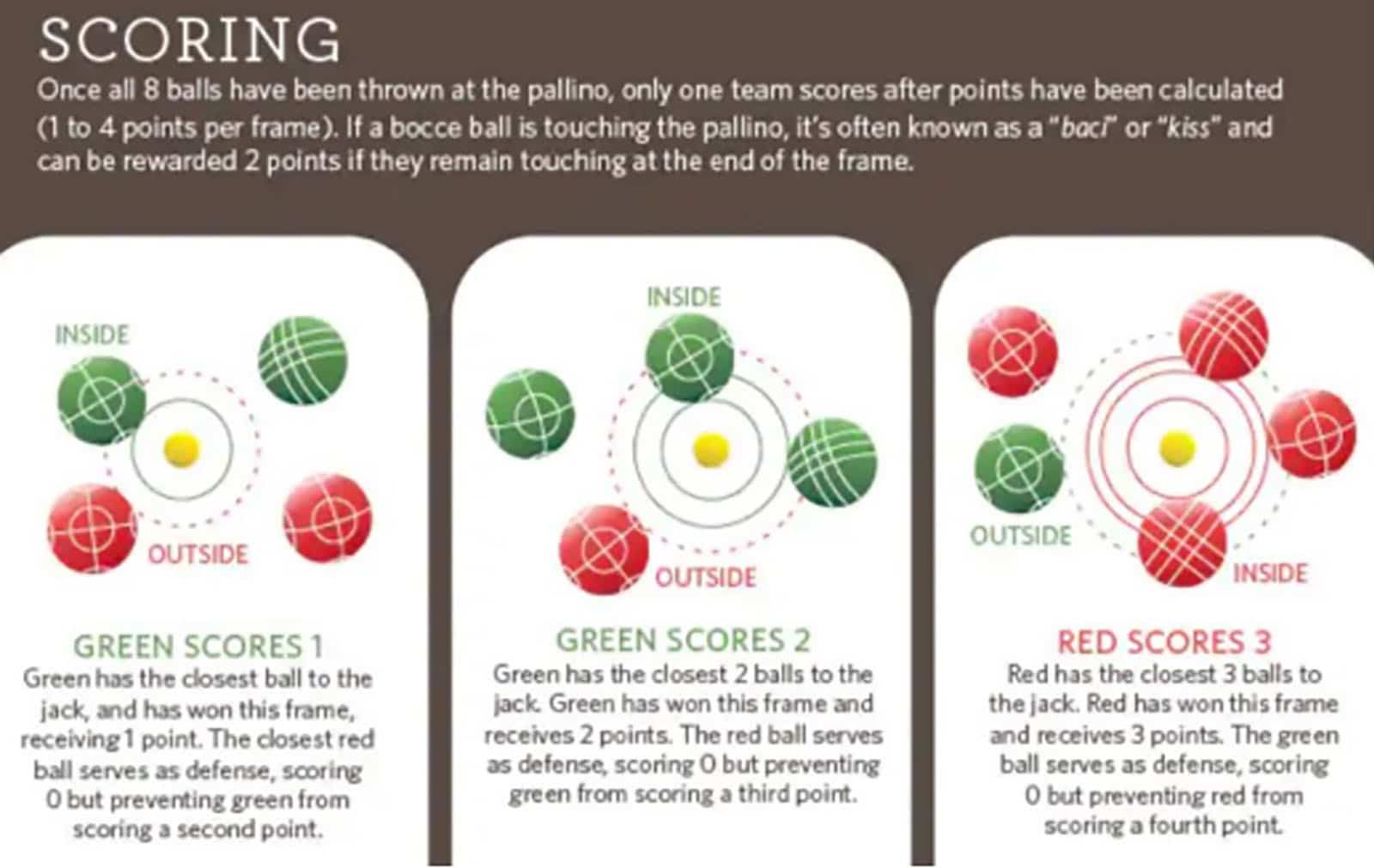
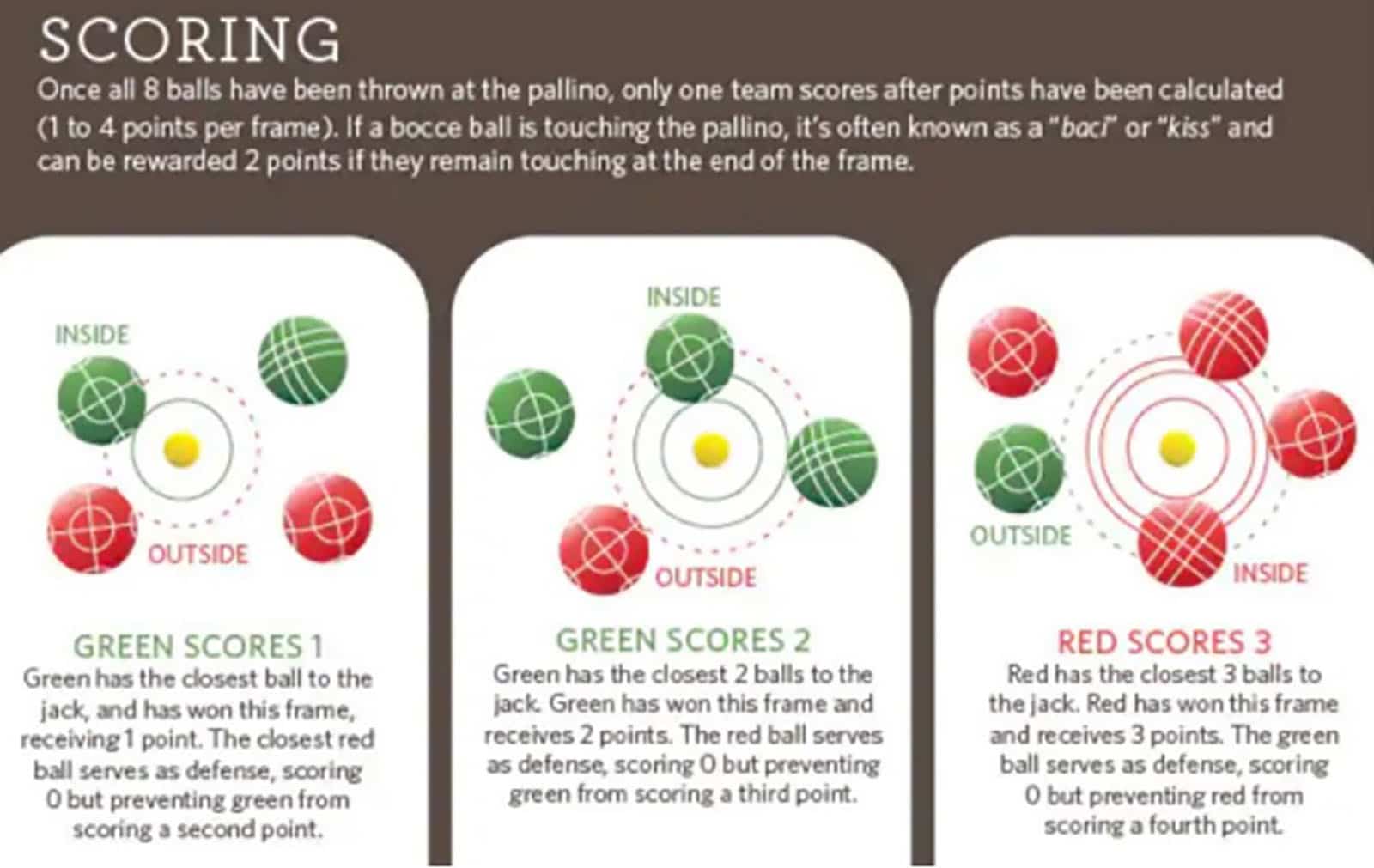
Scoring in bocce ball is based entirely on proximity to the pallino. After all eight bocce balls have been thrown, the team with the ball closest to the pallino earns one point. Then, each subsequent ball of that same team that is closer to the pallino than the closest ball of the opposing team earns an additional point.
It’s important to remember that only one team can score in a given round. If both teams have balls near the pallino, only the team with the closest ball will tally points. Balls that are touching the pallino are considered in close proximity, so even a slight touch can make a difference.
Determining which ball is closest can sometimes be tricky, especially when balls are clustered together. In these cases, careful measurement is required. A soft measuring tape is usually used to determine the distances. Disputes are common, so it's good to agree on a fair method of measurement before the game begins. Remember, the goal isn't just about throwing hard, but about strategic placement.
The scoring can get a little complex if balls are overlapping or partially obscured. Generally, the center of the ball is used to determine its distance from the pallino. If two balls are so close that it's impossible to determine which is closer, it’s often considered a tie, and no points are awarded for those balls.
Winning a Round and the Game
Once all balls have been measured, the scores for each team are tallied for that round. The team with the higher score wins the round. The points earned in that round are added to their overall game total. Play then continues with the opposing team throwing the pallino to start the next round.
The overall game is typically won by the first team to reach 12 or 15 points. However, there’s a catch: a team must win by at least two points. So, if the score is 12-10, play continues until one team leads by two. A "match" often consists of multiple games – for example, best two out of three games – adding another layer of competition.
Understanding the difference between a 'round' and a 'game' is key. A round is a single period of play where both teams throw all their balls and points are awarded. A 'game' is the overall competition that continues until a team reaches the winning score and a two-point lead.
Common Scoring Scenarios
| Scenario | Ruling | Additional Notes |
|---|---|---|
| Ball touching the pallino | Counts as closest | Direct contact with the pallino is considered a favorable position. |
| Two balls equidistant from the pallino | Points split | If two balls are determined to be exactly the same distance, no points are awarded for either ball. |
| Ball partially obscured from view | Measure carefully | Utilize a measuring device to accurately determine the distance to the pallino. Visibility is important for fair scoring. |
| Opponent’s ball closer to the pallino | No points awarded | Only the team with the closest ball(s) scores in a frame. |
| Ball thrown out of bounds | No points awarded | A ball landing completely outside the designated playing area is removed from play and does not contribute to the score. |
| Pallino moved by a ball | Pallino remains in new position | If the pallino is displaced by a ball, the new position of the pallino is used for scoring purposes. |
| Game ends with a tie at 12 points | Play continues | Games typically continue until one team leads by two points. The first team to reach 12 points wins, but must win by 2. |
Illustrative comparison based on the article research brief. Verify current pricing, limits, and product details in the official docs before relying on it.
Fouls and Illegal Plays
While bocce ball is a relaxed game, there are a few fouls to be aware of. One common foul is stepping over the foul line while throwing. This is the line marked at each end of the court. Stepping over it invalidates the throw, and the ball is removed from play.
Interfering with play – for example, intentionally distracting an opponent while they’re throwing – is also a foul. Finally, illegally handling the ball, such as lifting it off the ground to adjust its position, is prohibited. Penalties for these fouls usually involve removing the illegally thrown ball from play.
It’s important to note that rules can vary slightly depending on the group playing. In casual games, fouls are often overlooked, but in more competitive settings, they are strictly enforced. The key is to agree on the rules beforehand to avoid any misunderstandings.
Basic Bocce Strategy: Pointing vs. Shooting
Mastering bocce ball isn’t just about throwing accurately; it’s about strategy. The two fundamental strategies are "pointing’ and ‘shooting". Pointing is about finesse – gently rolling the ball to land as close to the pallino as possible. This is your go-to strategy when you have a clear lane to the pallino.
Shooting, on the other hand, is more aggressive. It involves throwing the ball with more force to knock your opponent’s balls away from the pallino or to displace the pallino itself. Shooting is most effective when your opponent has balls clustered around the pallino, blocking your access.
Court awareness is crucial. Before each throw, assess the position of all the balls and consider how your throw will affect the overall layout. Anticipate your opponent’s moves and try to block their access to the pallino. Blocking involves strategically placing your balls to make it difficult for your opponent to get close. It’s a subtle but effective tactic.
- Pointing: Best when you have a clear path to the pallino.
- Shooting: Ideal for disrupting your opponent's position and creating scoring opportunities.
- Blocking: A defensive tactic to limit your opponent's access to the pallino.
Bocce Scoring Breakdown
- Pallino Value - The pallino (jack) is worth 1 point. A team *must* get a ball closer to the pallino than their opponent to score in a frame.
- Point Per Ball - Each ball closer to the pallino than the closest opposing ball is worth 1 point.
- Scoring Team - Only the team with the closest ball(s) scores in each frame. The opposing team’s balls only matter for determining which team is closest.
- Frame Completion - A frame ends when both teams have thrown all their balls. Scoring is then tallied.
- Game Winning Score - Traditionally, a game is played to 12 or 15 points, but this can be adjusted before the game begins. Confirm the target score before starting.
- Measuring Close Calls - When balls are very close, a measuring device (often a tape measure or calipers) is used to determine which ball is closer to the pallino. Official bocce sets, like those from Harvil, often include a measuring tool.
- Strategic Considerations - Before each throw, assess: pallino position, opponent’s ball positions, potential blocking opportunities, risk vs. reward of shooting vs. pointing, and court surface conditions.
Variations and House Rules
Bocce ball is a remarkably adaptable game. It's common to find slight variations in the rules depending on the group playing. These "house rules" can add a fun twist to the game and cater to different skill levels.
Some common variations include different scoring systems – for example, awarding two points for a ball that lands directly on the pallino. Others involve modifying the court dimensions or allowing players to move balls after they’ve been thrown (though this is less common). As Gather Together Games demonstrates in their video, backyard rules are incredibly popular.
The beauty of bocce ball is that it’s okay to adapt the rules to suit your group. The most important thing is to have fun and enjoy the game. Don’t be afraid to experiment with different variations and find what works best for you.
Common Questions (FAQ)
Many newcomers to bocce ball have the same questions. Here are a few of the most frequently asked: What happens if the pallino goes out of bounds? Typically, if the pallino leaves the court boundaries, the round is replayed from the opposite end. How do you measure close balls? A soft measuring tape is the standard tool for determining which ball is closer.
Another common question is: Can you move a ball after it's been thrown? Generally, no. Once a ball is released, it cannot be touched or moved until the round is complete. However, some house rules may allow for minor adjustments in specific circumstances. What if a ball hits another player or an object outside the court? Usually, the ball is simply removed from play.
Don’t hesitate to clarify any rules or procedures before the game begins. A little communication can prevent confusion and ensure everyone has a good time. Bocce ball is a social game, so feel free to ask questions and learn from your fellow players.
No comments yet. Be the first to share your thoughts!