

What is the Pallino in Bocce Ball?
What is the Pallino in Bocce Ball?
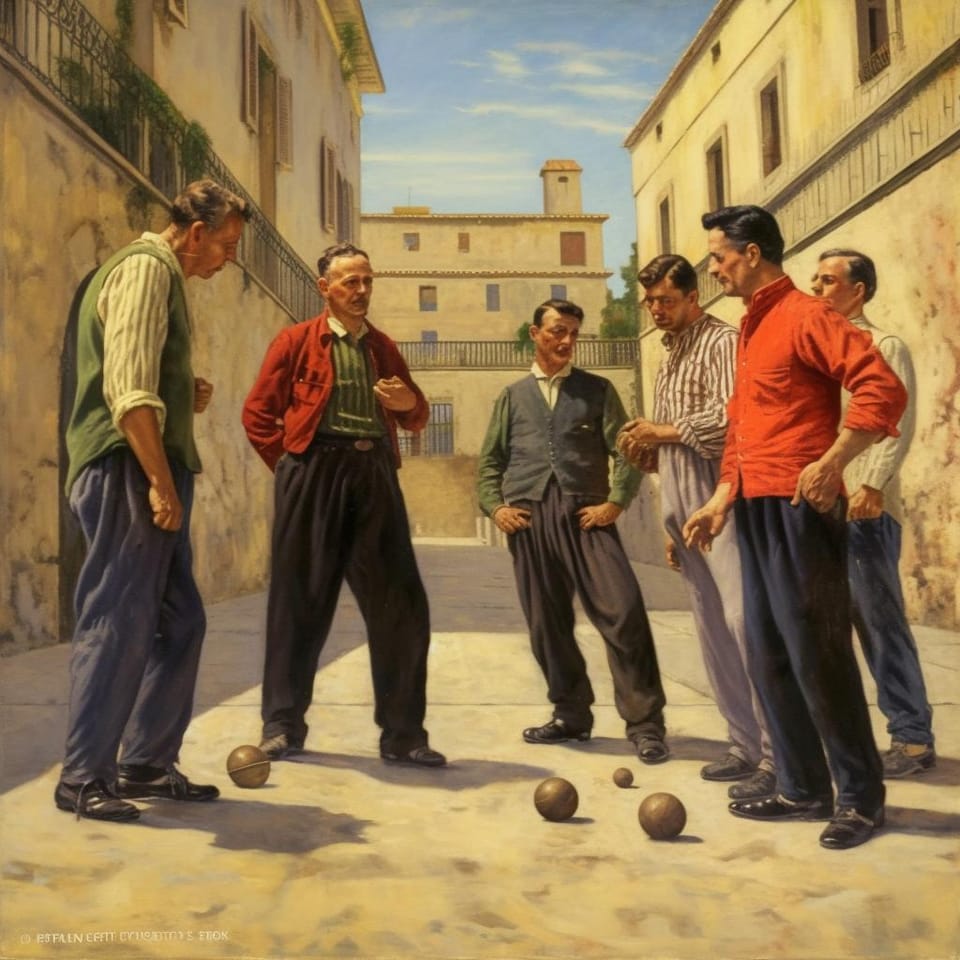
If you're new to the game of bocce ball, you may be wondering what the "pallino" is. The pallino, also known as the jack or target ball, is a small ball that serves as the target for the larger bocce balls to be thrown at. It is typically made of wood or plastic and is usually around 1.5 to 2 inches in diameter.
The pallino is an important part of the game as it determines the order of play and serves as the target for all subsequent throws. The goal of the game is to get your bocce balls as close to the pallino as possible, while also trying to knock your opponent's balls away from the target.
It's important to note that the pallino should be placed on the court before the start of the game. The player who throws the pallino also gets the first throw of the game, which can be an advantage if played strategically.
Overall, the pallino is a crucial element of bocce ball and understanding its role in the game is essential for any player looking to improve their skills and strategy.
Who Throws the Pallino in Bocce Ball?
What is the Pallino in Bocce Ball?
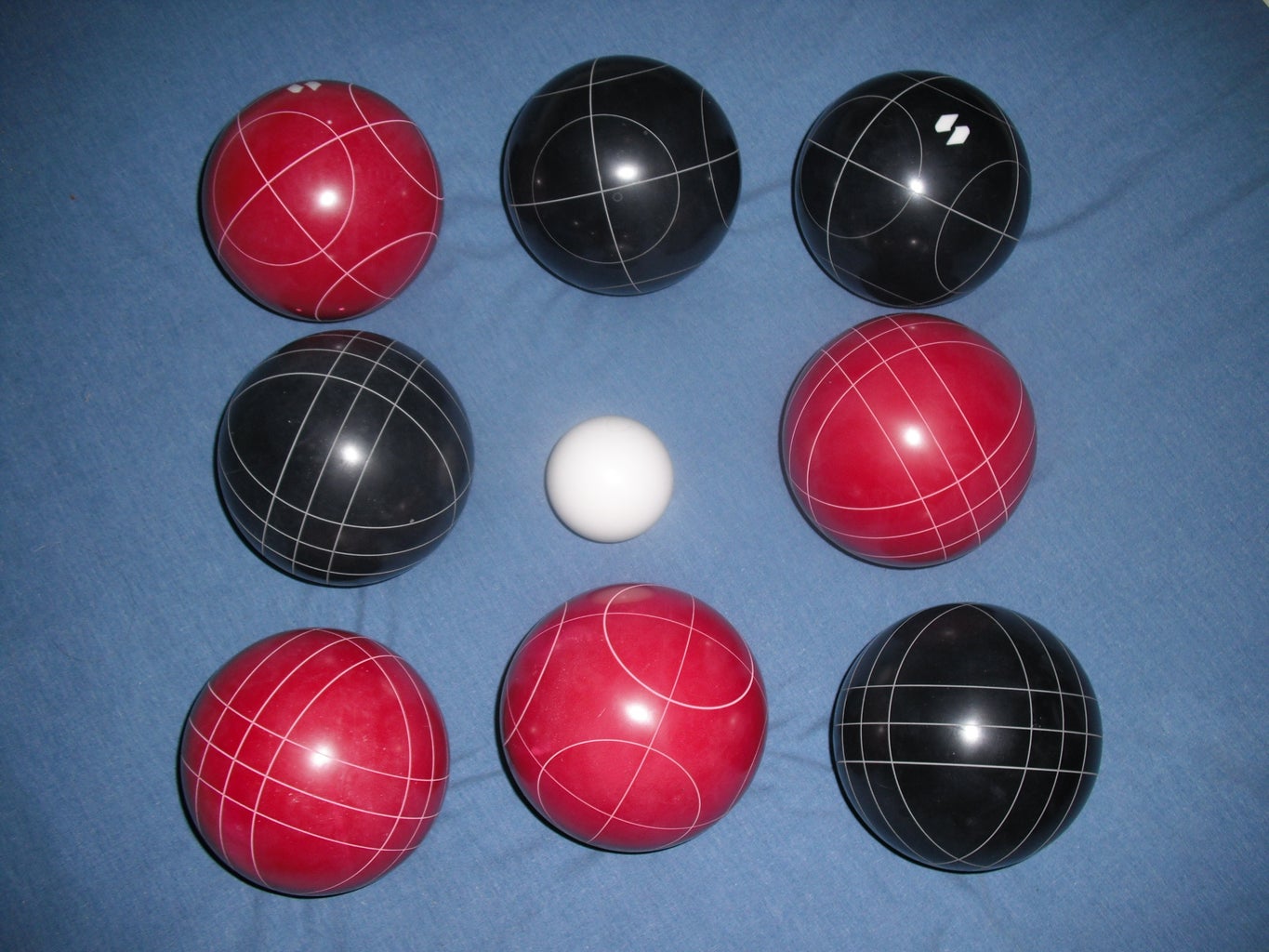
Before we dive into who throws the Pallino in bocce ball, let's first define what the Pallino is. The Pallino, also known as the jack or target ball, is a small white ball that serves as the target for the game. It is typically made of wood or plastic and is about the size of a golf ball.
Who Throws the Pallino in Bocce Ball?
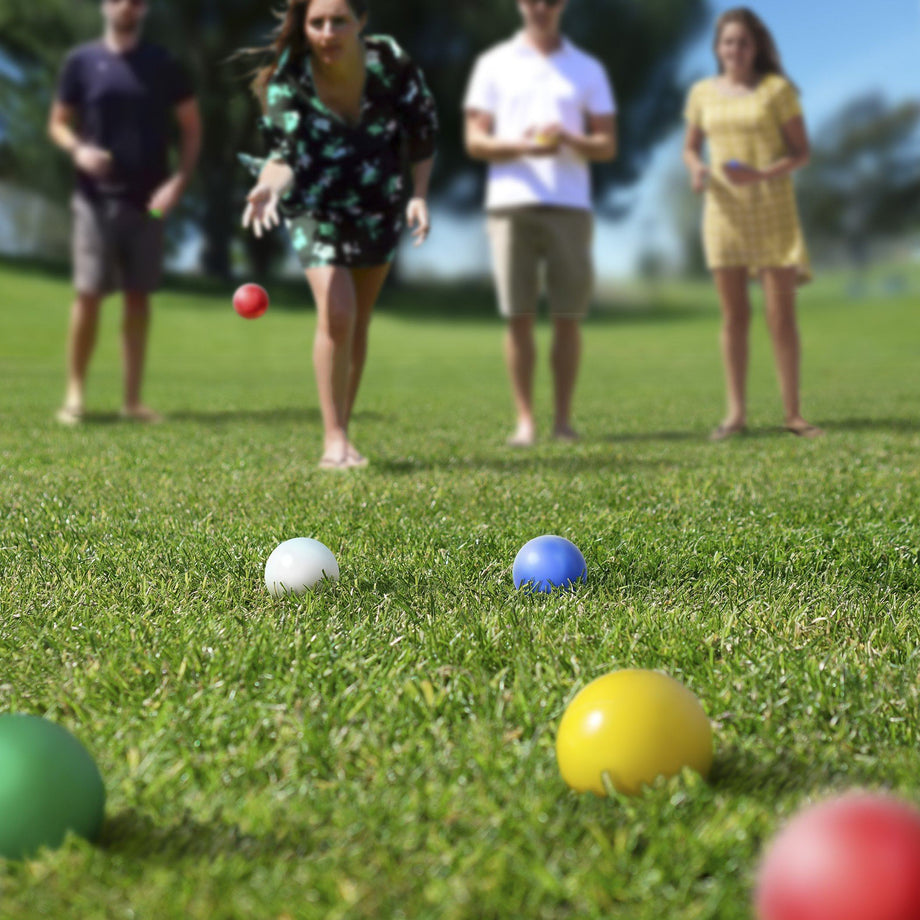
The team that wins the coin toss or a predetermined selection process gets to throw the Pallino first. The player who throws the Pallino is known as the "Pallino tosser" or "jack tosser." This player must throw the Pallino underhand and from behind the foul line, which is typically marked on the court.
Determining the Order of Play
After the Pallino has been thrown, the team that threw the Pallino gets to throw the first bocce ball. The opposing team then throws their bocce balls, trying to get as close to the Pallino as possible. The team with the bocce ball closest to the Pallino is considered the "in" team and continues to throw until the other team gets closer. The game continues in this manner until all bocce balls have been thrown.
Factors to Consider When Deciding Who Throws the Pallino
When deciding who should throw the Pallino, there are a few factors to consider. First, you want to choose a player who has a consistent underhand throw and can accurately place the Pallino where you want it. Second, you want to consider the conditions of the court, such as wind or uneven terrain, which can affect the trajectory of the Pallino. Finally, you want to think about the strategy of the game and where you want the Pallino to be placed to give your team an advantage.
Strategies for Throwing the Pallino
There are a few strategies you can use when throwing the Pallino. One is to place the Pallino close to the center of the court, making it more difficult for the opposing team to get their bocce balls closer. Another strategy is to place the Pallino near the edge of the court, making it easier for your team to get their bocce balls closer while also making it more difficult for the opposing team to do the same.
Common Mistakes to Avoid When Throwing the Pallino
One common mistake when throwing the Pallino is not throwing it far enough, which can result in the Pallino being too close to the foul line and making it easier for the opposing team to get their bocce balls closer. Another mistake is throwing the Pallino too hard, which can cause it to bounce or roll too far away from where you intended it to be.
Tips for Improving Your Pallino-Throwing Skills
To improve your Pallino-throwing skills, practice your underhand throw and work on your aim. You can also experiment with different grips and release points to find what works best for you. Finally, pay attention to the conditions of the court and adjust your throw accordingly.
Determining the Order of Play
Determining the order of play in bocce ball is an important aspect of the game. The team that throws the pallino first also gets to throw the first bocce ball. This can be advantageous as it allows them to set the tone for the game and control the positioning of the pallino.
There are a few different methods for determining the order of play. One common method is to flip a coin or draw straws. The winner of the coin toss or straw draw gets to choose whether they want to throw the pallino first or second.
Another method is to have one player from each team throw a bocce ball as close as possible to the pallino. The team with the bocce ball closest to the pallino gets to choose whether they want to throw the pallino first or second.
It's important to consider the playing surface when determining the order of play. If the surface is uneven or has a slope, it may be advantageous to throw the pallino first in order to control the positioning.
Additionally, it's important to consider the strengths and weaknesses of each team. If one team has a particularly strong pallino-thrower, they may want to throw first in order to set the tone for the game.
Ultimately, the order of play can have a significant impact on the outcome of the game. It's important to carefully consider all factors before making a decision.
Factors to Consider When Deciding Who Throws the Pallino
When it comes to bocce ball, the team that throws the pallino has a significant advantage. Therefore, it's essential to consider several factors when deciding who should throw the pallino.
Firstly, consider the playing surface. If the court is uneven or has a slope, it's best to have a player who can adjust their throw to compensate for the surface. Additionally, if the court is short, it's best to have a player who can throw the pallino with precision to avoid it going out of bounds.
Secondly, consider the weather conditions. If it's windy, it's best to have a player who can throw the pallino with enough force to counteract the wind. Similarly, if it's raining, it's best to have a player who can throw the pallino with enough accuracy to avoid slipping.
Thirdly, consider the opponent's strengths and weaknesses. If the opposing team has a strong player who can easily knock the pallino away, it's best to have a player who can throw the pallino far away from the opponent's balls. On the other hand, if the opposing team has a weak player, it's best to have a player who can throw the pallino closer to the opponent's balls to make it harder for them to score.
Lastly, consider the team's strengths and weaknesses. If a team has a strong player who can consistently score points, it's best to have them throw the pallino to give them an advantage. Similarly, if a team has a weak player, it's best to have them throw the pallino to give them a chance to improve their skills.
In conclusion, several factors should be considered when deciding who should throw the pallino. By taking into account the playing surface, weather conditions, opponent's strengths and weaknesses, and team's strengths and weaknesses, you can increase your chances of winning the game.
Strategies for Throwing the Pallino
When it comes to bocce ball, the placement of the pallino can make or break a game. As the player responsible for throwing the pallino, it's important to have a strategy in mind before taking your shot. Here are some tips to help you improve your pallino-throwing skills:
1. Practice, practice, practice: The more you practice, the better you'll become at throwing the pallino. Try to practice in different environments, such as on grass and on a hard surface, to get a feel for how the pallino reacts.
2. Aim for the center: The ideal placement for the pallino is in the center of the court. This makes it more challenging for your opponents to score points and gives you more control over the game.
3. Consider the terrain: Take into account the terrain of the court when throwing the pallino. If the court is sloped, for example, you may need to adjust your aim to compensate for the slope.
4. Use a consistent throwing technique: Develop a consistent throwing technique that works for you. This will help you to throw the pallino with more accuracy and precision.
5. Anticipate your opponent's moves: Consider where your opponents are positioned on the court and try to anticipate their moves. If they are clustered in one area, for example, you may want to throw the pallino in a different direction to make it more challenging for them to score points.
Remember, the placement of the pallino can have a big impact on the outcome of the game. By developing a solid strategy for throwing the pallino, you can increase your chances of winning and become a more competitive bocce ball player.
Common Mistakes to Avoid When Throwing the Pallino
Tips for Improving Your Pallino-Throwing Skills
If you want to become a successful bocce ball player, it's essential to improve your pallino-throwing skills. Here are some tips that can help you improve your game:
1. Practice regularly: Like any other sport, practice is crucial to improving your skills. Spend some time each week practicing your pallino-throwing technique.
2. Experiment with different grips: Try different grips to see which one works best for you. Some players prefer to hold the pallino with their fingertips, while others prefer to hold it with their palm.
3. Focus on your aim: When throwing the pallino, focus on your aim. Try to throw it as close to the center of the court as possible.
4. Use the right amount of force: The amount of force you use when throwing the pallino can affect its trajectory. Experiment with different levels of force to find the right balance.
5. Pay attention to the court conditions: The condition of the court can affect the way the pallino rolls. If the court is wet or uneven, you may need to adjust your technique.
6. Watch other players: Watch other players to see how they throw the pallino. You may be able to pick up some tips and tricks that you can use in your own game.
7. Stay relaxed: Finally, it's important to stay relaxed when throwing the pallino. Tension in your body can affect your aim and accuracy. Take a deep breath and stay calm and focused.
Improving your pallino-throwing skills takes time and practice, but with these tips, you'll be well on your way to becoming a bocce ball champion.
No comments yet. Be the first to share your thoughts!