

Get ready for your first game
Before you throw, you need the right surface and the right equipment. Bocce ball rules are simple, but the setup matters. A flat, level area is non-negotiable. Whether you are playing on a dedicated court, a patch of gravel, or a backyard lawn, the ground must be smooth enough for the balls to roll true. Uneven terrain turns a game of skill into a game of luck.
You will need a standard set. This includes eight large bocce balls and one smaller target ball called the pallina. Teams typically use four balls each, often distinguished by color so players can track their throws. The pallina is the prize; your goal is to land your balls as close to it as possible.
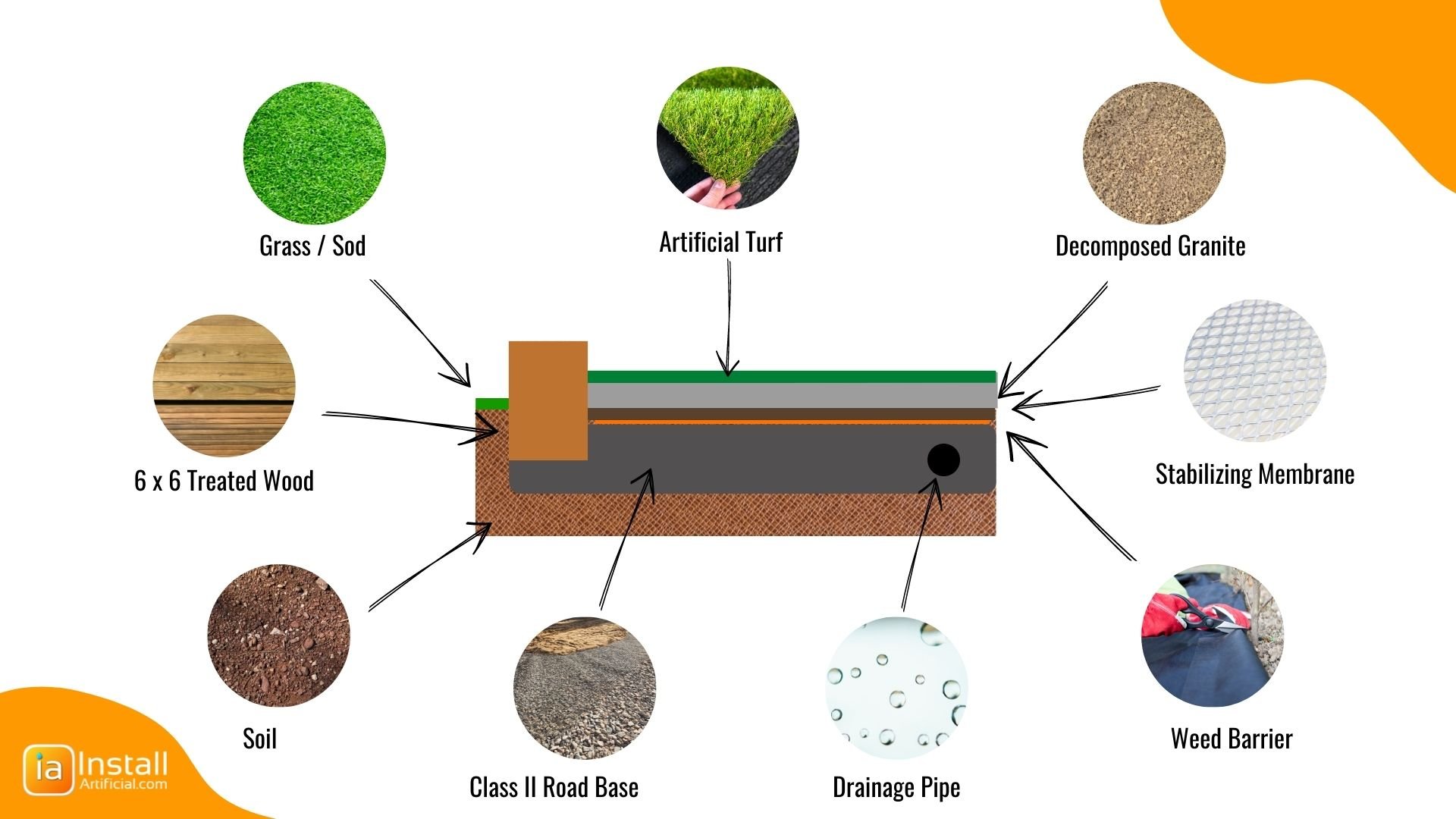
Once you have your gear, mark out your playing area. A rectangular court is standard, though casual games can use any defined space. Clear the perimeter of obstacles like rocks, roots, or garden hoses that could interfere with the roll. With the surface prepped and balls in hand, you are ready to begin the first frame.
Start the frame with a coin toss
Every frame of bocce ball begins with a simple decision: who throws first and which end of the court to play from. This initial choice sets the tone for the entire round, so treat it with the same seriousness as the throws that follow.
Begin by having the team captains flip a coin or play a quick round of Rock, Paper, Scissors. The winner of this toss gets two critical privileges. First, they choose which end of the bocce court their team will start at. Second, they decide whether to throw the pallina (the small target ball) or let the opposing team do it. In most casual games, the toss winner chooses to throw the pallina first, giving them the initial strategic advantage.
Once the decision is made, the designated player stands behind the pointing foul line and tosses the pallina toward the opposite end of the court. The goal is to land it as close to the center of the playing area as possible, but not so far that it goes out of bounds. This opening throw establishes the target that all subsequent bocce balls will aim to beat.
Team captains flip a coin or play Rock, Paper, Scissors to determine who gets the first choice of court end and who throws the pallina.
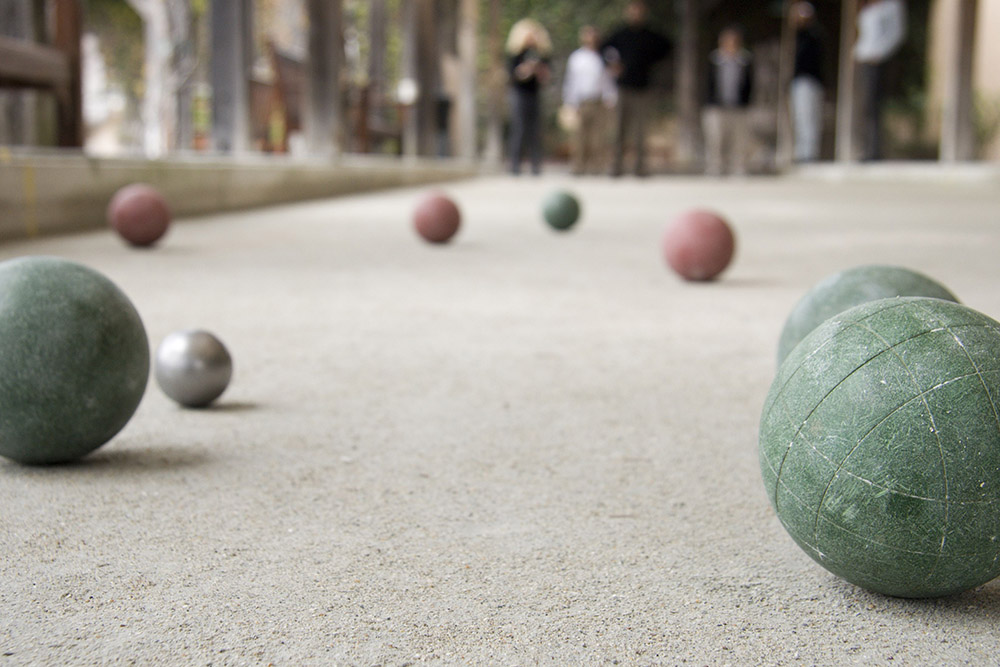
The toss winner selects which end of the court to play from and decides whether to throw the pallina or let the opponent do it.

The designated player tosses the small target ball from behind the foul line, aiming for the center of the court without going out of bounds.
Throw your bocce balls strategically
The flow of a bocce frame depends on timing and placement. Once the pallino is set, the game becomes a sequence of precise throws designed to control the court. Understanding the order of play and the boundaries of the foul line allows you to execute both offensive strikes and defensive placements.
The team closest to the pallino always throws first. In the opening of a frame, the team that won the previous frame throws the pallino, and the opposing team throws the first bocce ball. This rule ensures that the team with the positional advantage initiates the offensive play.
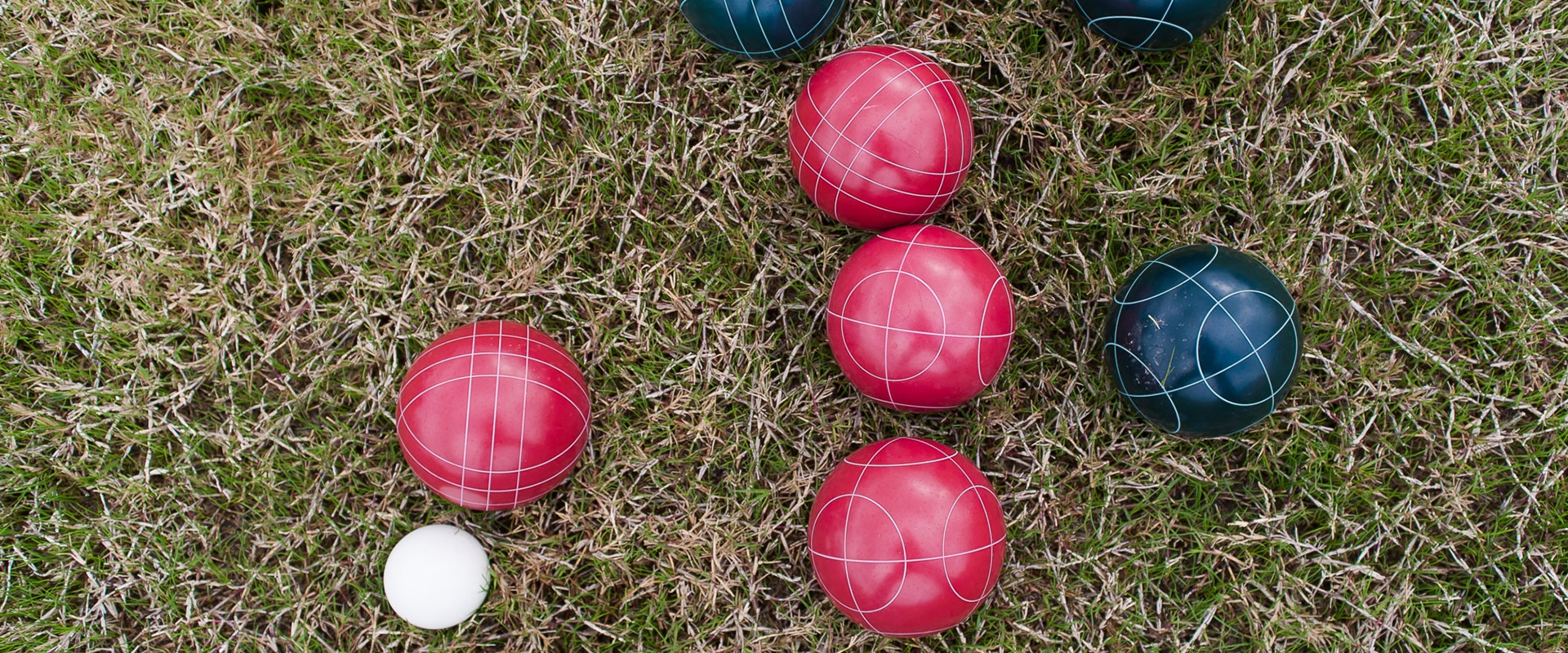
Every throw must originate from behind the pointing foul line. Players may step over the line after releasing the ball, but their foot must not touch the line or the area beyond it during the throw. This boundary keeps the game fair and consistent across all court sizes.
You have two primary options: pointing or drawing. Pointing involves gently placing your ball near the pallino to score. Drawing is a harder throw aimed at hitting an opponent's ball away or knocking the pallino to a new position. Pick the shot that best addresses the current layout of the court.
After each throw, the opposing team must respond. If you pointed, they will likely try to draw or strike your ball. If they struck, you may need to point to a safer spot or strike back. This back-and-forth continues until all eight balls per team are thrown.
Score points after each frame
Scoring in bocce ball is simple but strict. Points are awarded only to the team with the ball closest to the Pallino (the small target ball). The opposing team receives zero points for that frame.
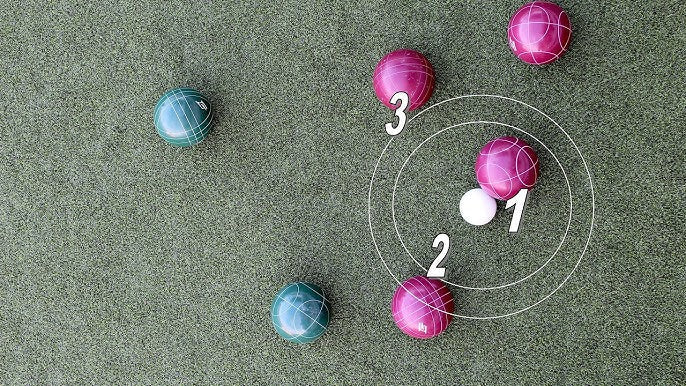
After all eight balls per team have been thrown, players measure the distance between the Pallino and the closest bocce ball. The team with the nearest ball earns one point. They continue to earn one additional point for every other ball they have in the court that is closer to the Pallino than the opponent's closest ball.
For example, if your team has two balls closer to the Pallino than the opponent's nearest ball, you score two points. If the opponent's closest ball is nearer to the target than any of your balls, you score nothing for that frame.
A game typically ends when a team reaches 12 points. Some casual variations play to 11 or 15, but the 12-point standard is the most common. In official play, a team must win by at least two points. If the score reaches 11-11, play continues until one team gains a two-point lead.
-
Identify the team with the ball closest to the Pallino
-
Count how many of that team's balls are closer than the opponent's nearest ball
-
Award one point for each qualifying ball
-
Declare the winner when a team reaches 12 points (with a two-point margin)
A common mistake occurs when a player accidentally hits the Pallino during play. If the Pallino is moved or knocked out of bounds, the team that did not make the error is awarded points equal to the number of balls they have already thrown in that frame. This rule prevents players from using forceful throws to disrupt the target ball unfairly.
Fix common bocce throwing mistakes
Most errors in bocce ball come from rushing the throw or losing balance. You can correct these issues by slowing down your approach and focusing on a smooth release. This section covers the three most frequent mistakes and how to fix them.
Throwing too hard
Beginners often throw with maximum force, hoping to knock the opponent's ball away. This usually results in your ball rolling out of bounds or hitting the jack and moving it. A controlled throw is more effective than a powerful one. Aim for a gentle arc that lands softly on the court.
Losing your balance
Leaning too far forward or stepping out of bounds while releasing the ball ruins your aim. Keep your feet shoulder-width apart and stay centered over the ball. If you feel yourself tipping, pause, reset your stance, and try again. Stability is more important than speed.
Ignoring the jack's position
Many players aim directly at the nearest opponent's ball. This ignores the jack, which determines the scoring target. Always check where the jack is before you throw. Your goal is to land your ball as close to the jack as possible, not just to hit other balls.
Handle fouls and special situations
Disputes usually arise when the game deviates from the standard throw. Understanding how to handle the jack and out-of-bounds balls ensures the match flows smoothly without arguments.
Moving the jack
The jack (pallina) is the target, but it can be knocked off course during play. If a player’s throw displaces the jack, the opposing team is awarded points equal to the number of balls they have already thrown in that frame. This rule penalizes careless throws that disrupt the target.
Out-of-bounds balls
Balls that roll out of the playing area are considered dead. They are removed from play immediately. If a ball hits the side walls or boundaries and bounces back onto the court, it remains live. Keep track of which balls are still in play to avoid confusion.
Resetting the court
After each frame, clear all balls from the court. Measure the distance between the closest ball and the jack to determine points. The team that scored last throws the jack for the next frame.
No comments yet. Be the first to share your thoughts!