

What the budget buys
Bocce Ball Equipment works best as a sequence, not a pile of settings. Do the minimum first: confirm compatibility, connect the primary device, update only when needed, and test the result before adding optional features. That order keeps the task understandable and makes failures easier to isolate. After each step, pause long enough for the device or app to finish syncing. Many setup problems are timing problems disguised as configuration problems. If the same step fails twice, record the exact error, restart the smallest affected piece, and retry before moving deeper.
The simplest way to use this section is to keep the setup small, verify each change, and document the working configuration before adding extra devices.
Models worth checking first
Choosing the right bocce ball set involves balancing weight, material, and surface compatibility. The best bocce ball equipment for champions isn't just about luxury; it's about consistency. A heavy, polished marble ball behaves differently on clay than a lightweight resin ball does on grass. We've compared the strongest options currently available to help you find the right fit for your court type and skill level.
The Gold Standard: Marble Sets
For tournament play or dedicated clay courts, marble remains the undisputed choice. These sets offer the heft and smooth finish required for precise bocce rolling. While they are heavier and more expensive, the investment pays off in durability and traditional feel. Look for sets with a uniform weight distribution to ensure predictable bounces and rolls.
The Versatile All-Rounder: Resin and Composite
Resin bocce balls have gained massive popularity because they work well on almost any surface. They are lighter than marble, making them easier on the joints, and they are virtually indestructible. If you play on grass, sand, or gravel, resin is the practical choice. Many top-rated sets now feature a marble-like finish on resin, offering the aesthetic of stone without the fragility.
The Entry-Level Option: Plastic
Plastic sets are ideal for casual backyard games or children. They are inexpensive and durable, though they lack the weight and precision of higher-end materials. If you are new to the game and want to test your interest without a large commitment, plastic is a sensible starting point. However, serious players often outgrow these sets quickly as their skills improve.
Comparison of Key Features
The table below breaks down the primary differences between the most common bocce ball materials and their best-use scenarios. This comparison focuses on surface compatibility and durability, the two factors that matter most when selecting equipment.
| Material | Best Surface | Durability | Price Range |
|---|---|---|---|
| Marble | Clay or Hard Court | High (if handled carefully) | $$$ |
| Resin | Grass, Sand, Clay | Very High | $$ |
| Plastic | Grass, Pavement | High | $ |
| Wood | Clay (Traditional) | Low (prone to cracking) | $$ |


As an Amazon Associate, we may earn from qualifying purchases.
When shopping for bocce ball equipment, always check the included accessories. A quality set should come with a measuring tape (the pallino rope) and a carrying bag. Some sets include chalk for marking the bocce line, which is essential for close games. Prioritize sellers who provide clear specifications on ball weight and diameter to ensure the set meets official standards if you plan to play competitively.
Check before you buy
Bocce balls are dense, heavy objects that take a beating. A set that feels solid today might crack or warp within a season if the materials or construction are off. Instead of relying on marketing claims, inspect the physical gear for specific failure points. This checklist focuses on the expensive components that actually matter for playability and longevity.

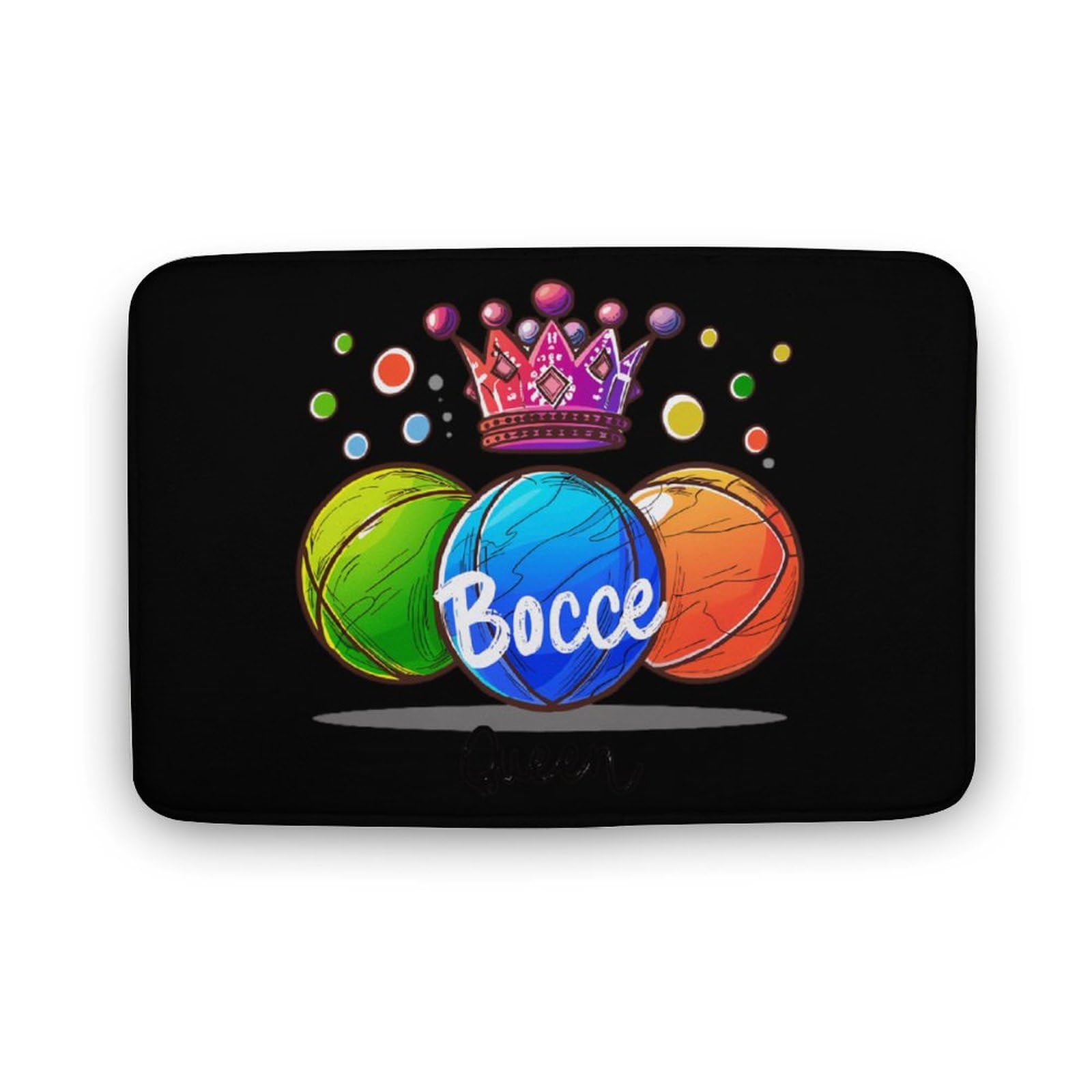
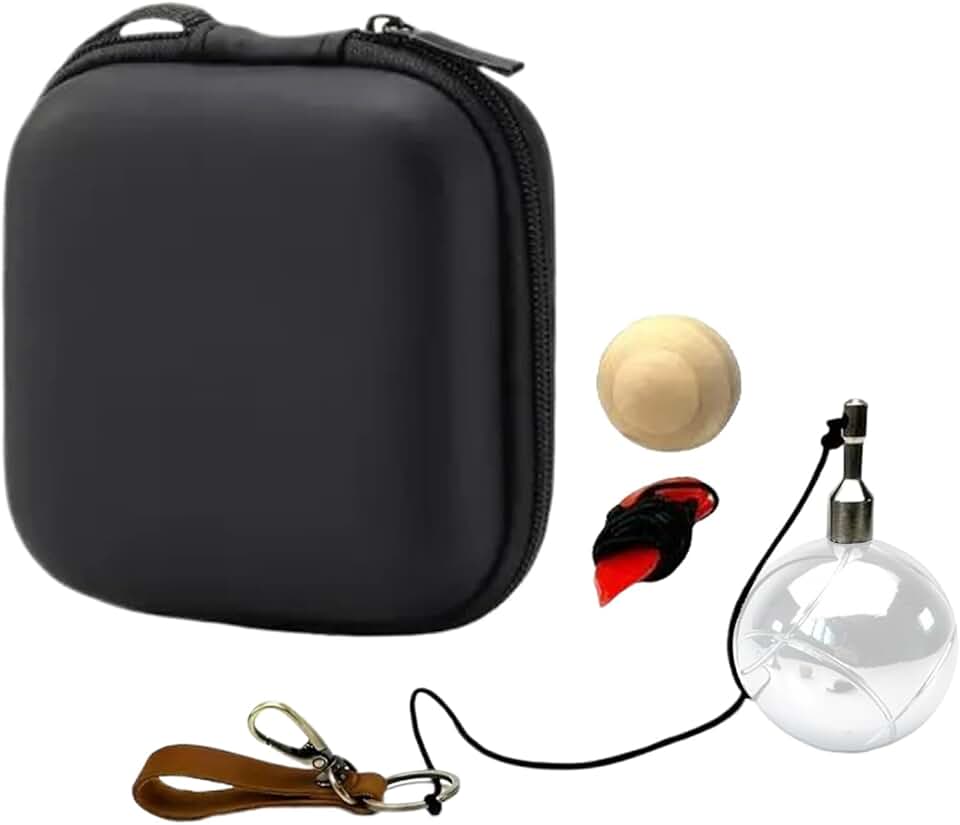
As an Amazon Associate, we may earn from qualifying purchases.
Skipping this inspection is like buying a car without checking the tires. The price tag doesn't guarantee durability. By verifying the ball weight, surface quality, and storage protection, you ensure your investment lasts for years of competitive play.
Costs that change the math
The price tag on the balls is only the entry fee. Owning a serious bocce set involves a few hidden costs that add up quickly, turning a budget purchase into a recurring expense. If you ignore these, a cheap set stops being cheap very fast.
Maintenance and Replacement
Bocce balls are not "buy and forget" items. The pallino (jack) is the first thing to go. It is small, lightweight, and easily lost in grass or sand. Replacing a single pallino costs $10–$15, but losing it mid-tournament is a game-ender. Keep spares in a dedicated pouch, not loose in your bag.
The balls themselves wear down. Outdoor sets used on rough concrete or gravel develop flat spots or micro-fractures. A $50 set might need replacing every two years if used weekly. A $300 set lasts a decade. Calculate the cost per game, not the upfront price.
Court Surface and Accessories
You cannot play a serious game on uneven dirt or tall grass. You need a level surface. If you are building a court, the base material (crushed stone, sand, or specialized court surfacing) is a significant cost. A simple DIY sand court might cost $200 in materials. A permanent concrete court runs into the thousands.
Accessories like carrying cases, nets, and measuring tapes are often sold separately. A good carrying case protects your investment from humidity and impact. Skipping it to save $20 risks cracking the resin or metal balls during transport.
The Total Cost of Ownership
| Item | Budget Option | Serious Option |
|---|---|---|
| Ball Set | $50–$100 | $300–$600+ |
| Pallino (spare) | $10–$15 | Included |
| Court Base (DIY) | $200 (sand/gravel) | $2,000+ (concrete) |
| Carrying Case | $15 (basic) | $50+ (padded) |
When you factor in court preparation and replacement parts, the "cheap" set often costs more over five years than a premium set. Buy the best balls you can afford, but invest in a level surface first. Bad ground ruins good balls.
Common questions
Choosing the right bocce ball equipment often comes down to understanding how materials and weight affect your game on different surfaces. Whether you are setting up a permanent court in your backyard or packing gear for a weekend trip, these practical answers help you make the right choice without the guesswork.
No comments yet. Be the first to share your thoughts!