
Start with bocce ball strategies
Start The Bocce Ball Champion’s with the constraint that matters most in real life: space, timing, budget, skill level, maintenance, or availability. That first constraint should shape the rest of the plan instead of appearing as an afterthought. Keep the first pass simple enough to verify. Compare the main options against the same criteria, remove choices that only work in ideal conditions, and save optional upgrades for later.
The simplest way to use this section is to write down the real constraint first, compare each option against it, and choose the path that still works outside ideal conditions.
5 Proven Strategies to Master Scoring and Equipment
Mastering Bocce in 2026 requires precision with both the pallino and the palline. This section breaks down five actionable strategies to optimize your scoring efficiency and select equipment that matches your playing style.
-
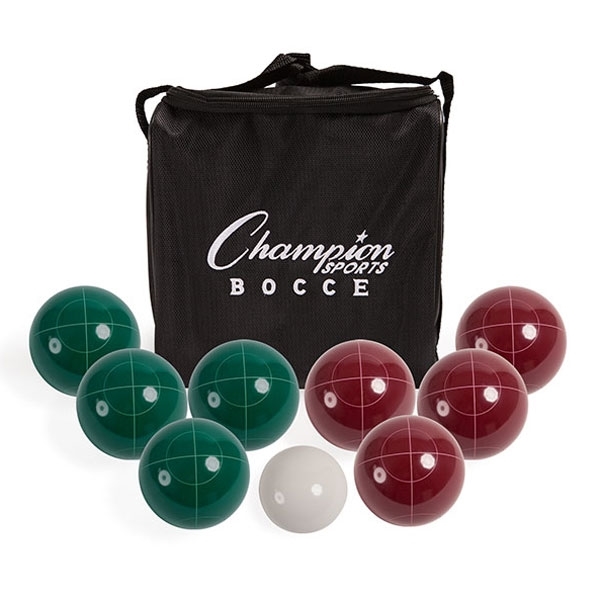
Selecting the correct ball weight for your grip
Hold the bocce ball with your dominant hand, letting it rest in your palm without squeezing. The ideal weight allows you to maintain a relaxed, steady grip throughout the delivery arc without straining your wrist or fingers. Heavier balls (over 900g) offer momentum but demand stronger hands, while lighter options suit players with smaller grips or less upper-body strength. Test multiple weights to find the sweet spot where control outweighs raw power. -

Choosing between resin and wood ball surfaces
Resin balls provide consistent friction and predictable bounce behavior on modern courts, making them the tournament standard for precision play. Wood balls, while traditional, absorb moisture and change weight over time, leading to inconsistent roll speeds. Unless you are playing on a vintage dirt court where wood’s natural give is advantageous, opt for resin for reliable performance. The resin’s uniform density ensures that your calculated force translates directly to distance, reducing variables in your scoring strategy. -
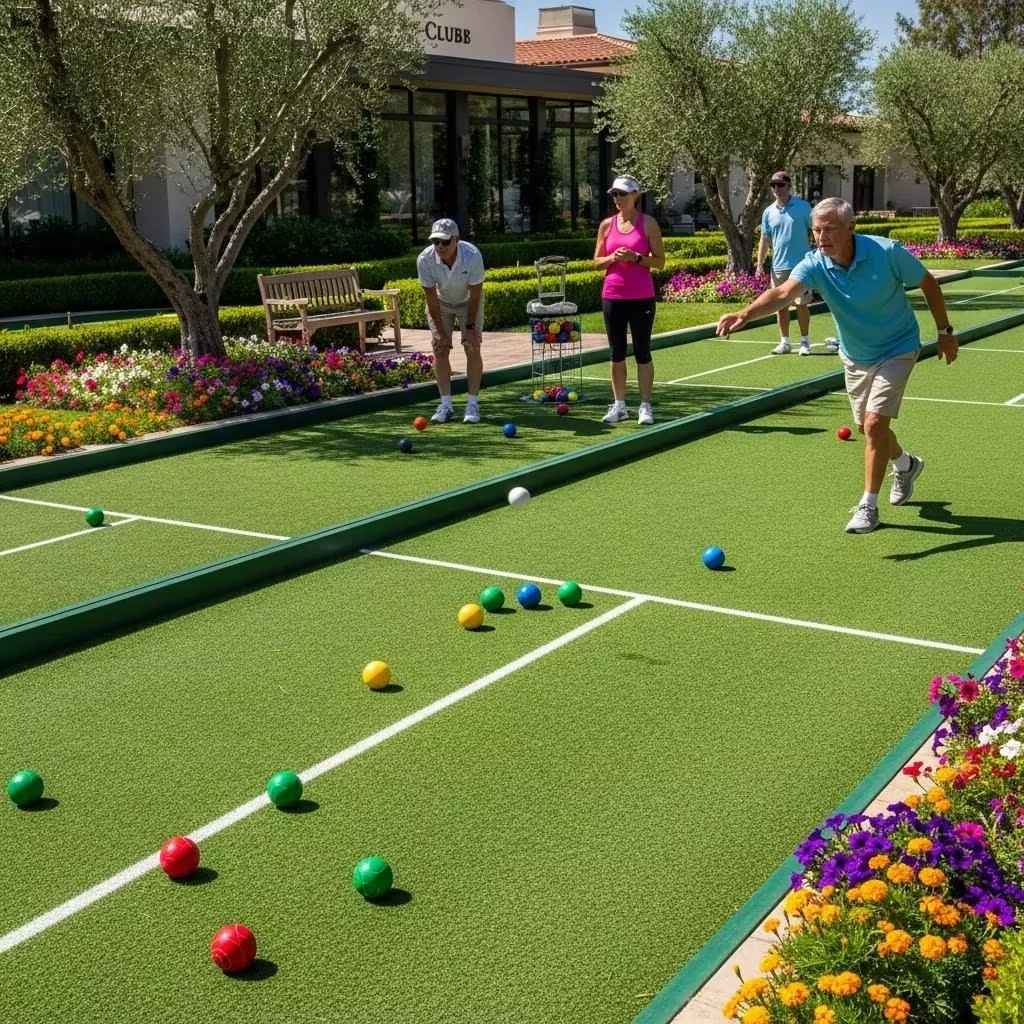
Adjusting to different court surface textures
Gravel courts require a higher, softer landing to prevent the ball from skipping or deflecting unpredictably off loose stones. In contrast, crushed limestone or asphalt surfaces allow for a lower, faster delivery that rolls true with minimal deceleration. Always scout the court before your first throw; notice how the pallino behaves upon landing to gauge the surface’s friction coefficient. Adjust your release height accordingly: higher for loose gravel, lower for hard-packed surfaces to maximize roll efficiency. -
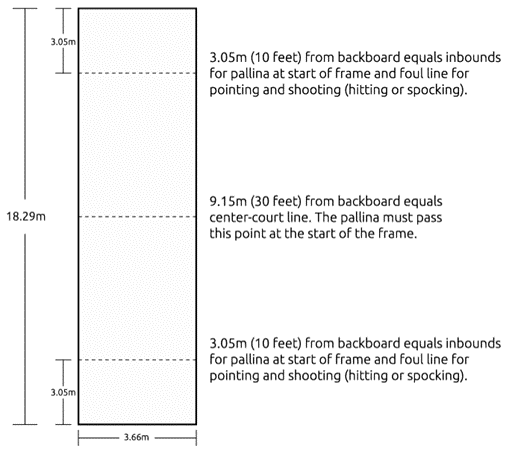
Mastering the underhand delivery technique
Stand perpendicular to your target line, keeping your arm close to your body like a pendulum. Release the ball at the lowest point of the swing, ensuring your wrist remains rigid to prevent unwanted spin. Focus on a smooth, continuous motion rather than a sudden push; the ball should leave your hand with minimal vertical lift. Practice this rhythm until the release feels automatic, allowing you to concentrate on aiming and force control during actual gameplay rather than mechanical adjustments. -
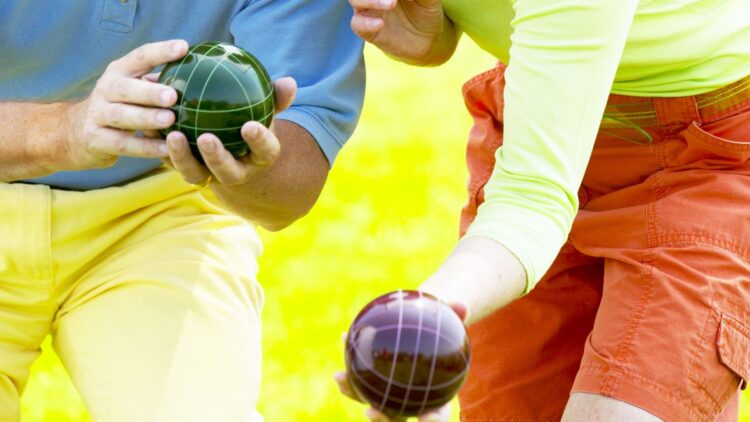
Strategic placement for blocking opponent shots
Instead of always aiming for the pallino, place your bocce ball directly in the path of your opponent’s likely throwing angle. This forces them to execute a difficult jump shot or a risky bank shot to displace your ball. A well-placed blocker can neutralize an opponent’s accuracy advantage by turning a simple roll into a complex geometric problem. Use this strategy when you are trailing in points to disrupt their rhythm and force errors, turning defense into a potent scoring opportunity.
Pick the right fit
The Bocce Ball Champion’s works best as a clear sequence: define the constraint, compare the realistic options, test the tradeoff, and choose the path with the fewest hidden costs. That order keeps the advice usable instead of decorative. After each step, pause long enough to check whether the recommendation still fits the reader's actual situation. If it depends on perfect timing, unusual access, or a best-case budget, include a simpler fallback.
Frequently asked: what to check next
How do I choose the right bocce ball weight for my game?
Ball weight directly affects your ability to control the pallino and execute precise shots. Heavier balls (around 22-24 oz) offer more stability and power for outdoor courts with uneven surfaces, while lighter balls (18-20 oz) allow for finer touch and better handling on smooth indoor courts. If you are new to the game, start with a medium-weight set to build consistency before committing to heavier equipment. The goal is to find a weight that feels balanced in your hand without causing fatigue during long matches.
What is the best strategy for scoring points in bocce?
Scoring relies on proximity to the pallino, not just hitting opponent balls. The most effective approach is to place your balls strategically around the pallino, creating a cluster that is difficult to disrupt. If you are ahead, focus on defense by blocking access to the pallino. If you are behind, use aggressive shots to knock opponent balls away. Always consider the court surface; a slight curve can be used to your advantage if you aim for the edges of the playing area.
Can I use bocce balls on different surfaces?
Yes, but you must adjust your technique and equipment accordingly. Outdoor courts often have gravel or crushed limestone, requiring balls with more weight and durability to maintain a straight trajectory. Indoor courts are typically smooth wood or synthetic surfaces, where lighter balls with a polished finish roll more predictably. Using outdoor balls on an indoor court can result in erratic bouncing, while indoor balls on outdoor gravel may get stuck or roll inconsistently. Match your ball type to the surface for optimal performance.
How does the pallino influence my shot selection?
The pallino is the target, and its position dictates every shot. If the pallino is far downcourt, aim for a long, gentle roll to place your ball close without overshooting. If it is near, focus on precision and minimal force to avoid disturbing it. Always assess the distance and angle before tossing; a slight misjudgment can cost you points. Practice varying your release points to control the ball’s speed and direction, ensuring you can adapt to the pallino’s changing position throughout the game.
No comments yet. Be the first to share your thoughts!