
Start with the right setup
Before you throw your first ball, you need the right gear and a flat surface. Bocce is simple to learn, but the equipment matters for a fair game. You will need eight bocce balls—four for each team—and one smaller target ball called the pallino (or pallina). Teams usually pick balls of contrasting colors so everyone can track their shots easily.

Bocce balls are heavy and roll straight. Find a hard, flat area like a driveway, patio, or dedicated court. Avoid grass or uneven ground, which will cause the balls to bounce or curve unpredictably. The official court is 91.5 feet long and 13 feet wide, but backyard games work fine on smaller, cleared spaces.
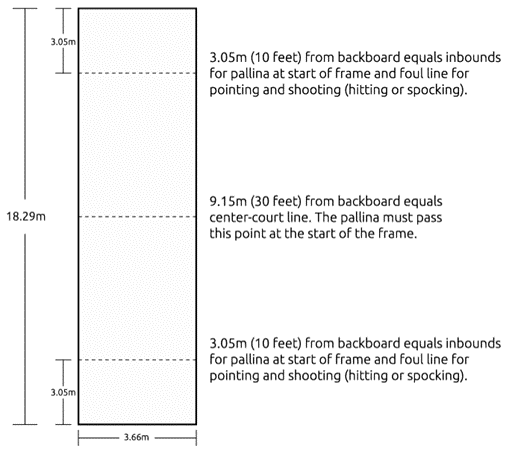
Use chalk, tape, or temporary markers to define the playing area. Clearly mark the foul lines at each end of the court. Players must keep their toes behind this line when throwing. If a player steps over the line before releasing the ball, it is a foul, and the ball is removed from play.
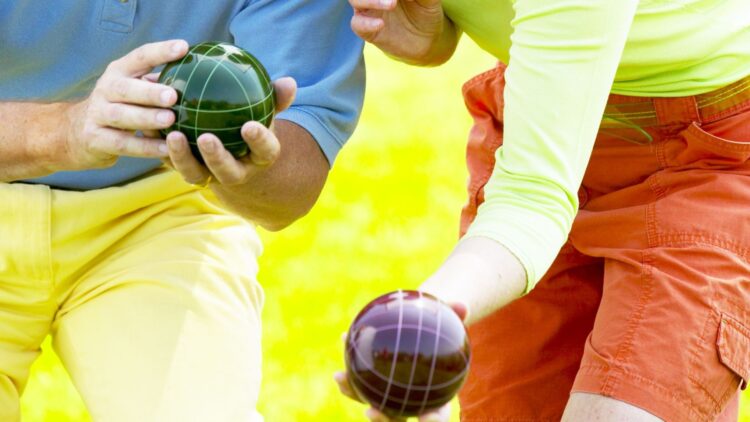
Decide who goes first by flipping a coin or having one player throw the pallino. The team that wins the toss chooses whether to throw first or select their ball color. The pallino is thrown or rolled to the opposite end of the court. It must land between the two foul lines to be valid.
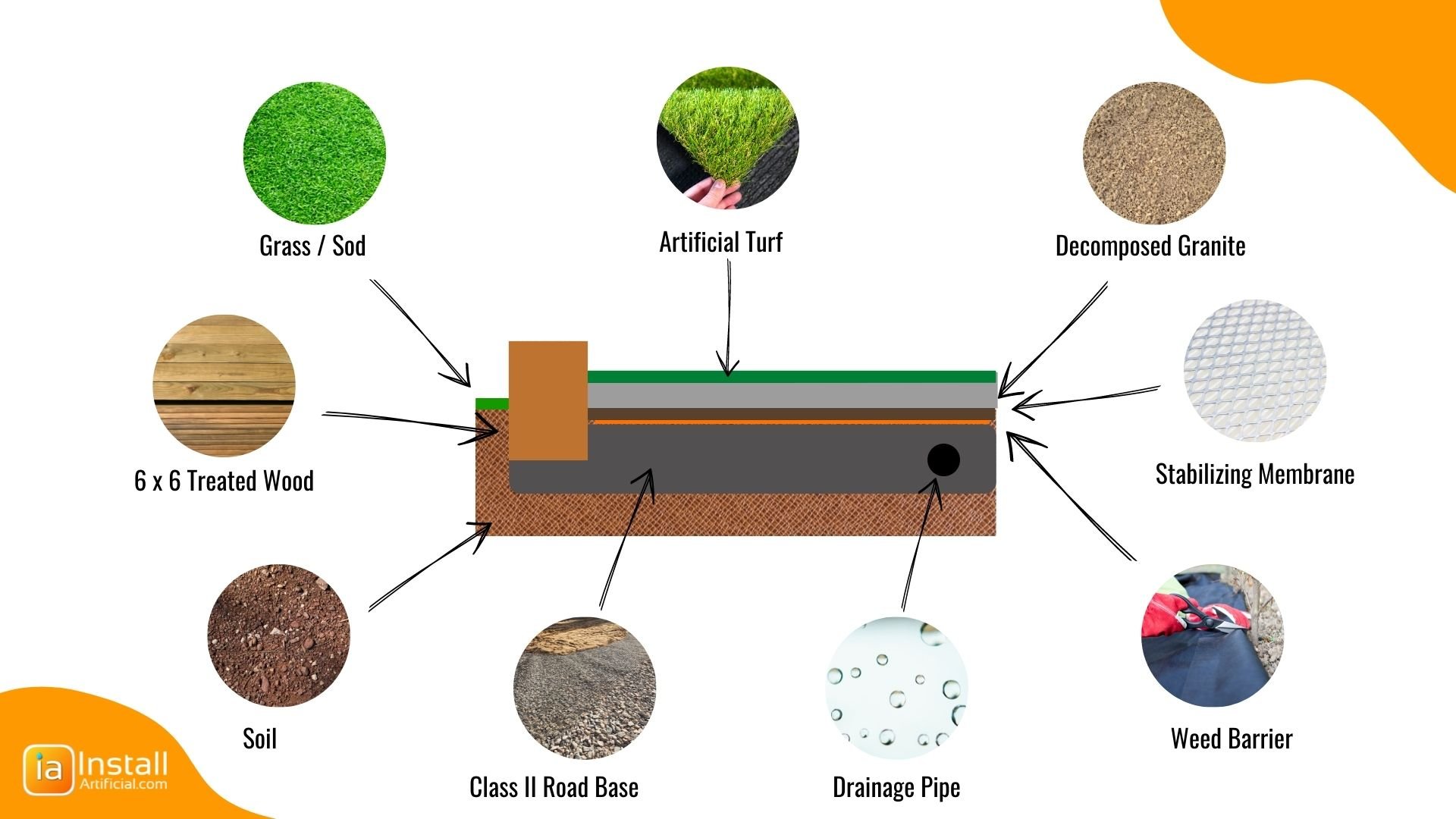
Once the court is marked and the balls are sorted, you are ready to begin the first frame. The team that throws first aims to get their bocce balls as close to the pallino as possible. The opposing team then tries to knock the opponent's balls away or place their own closer to the target. Keep your playing area clear of debris to ensure smooth rolls.
Set up teams and coin toss
Before the first ball rolls, the teams need to establish who takes the opening shot and which direction the game will flow. This ritual ensures both sides start on equal footing and removes any ambiguity about court orientation.
Gather the team captains at the center of the court. The standard method is a simple coin flip, though many casual groups prefer Rock, Paper, Scissors for speed. The winner of this toss gets two choices: they can either elect to throw first or choose which end of the court their team will occupy.
If the winner chooses the court end, the opposing team automatically takes the first throw. If they choose to throw first, the other team picks their side of the court. This decision sets the stage for the initial frame, determining which direction the pallino will travel and which team has the strategic advantage of playing first.
Once the toss is settled, teams should take a moment to inspect the playing surface. Ensure the court is clear of debris and that the foul lines are visible. A quick walk-through of the throwing area helps players gauge the distance and any subtle slopes that might affect ball movement during the game.
Throw the pallino and first bocce
The game begins by establishing a target. One player from the starting team tosses the small white ball, known as the pallino, down the court. This ball must land between the minimum and maximum distance markers to be valid. If it lands too short or rolls past the back boundary, it is considered dead and the throw is repeated. Once the pallino is in play, the same player throws the first bocce ball from behind the foul line.
The opening bocce ball serves two purposes: it either tries to land close to the pallino or knock an opponent’s ball away. Players must keep their toes behind the foul line when throwing. Stepping over the line results in a warning on the first offense and a foul on the second, meaning the ball is removed from play.
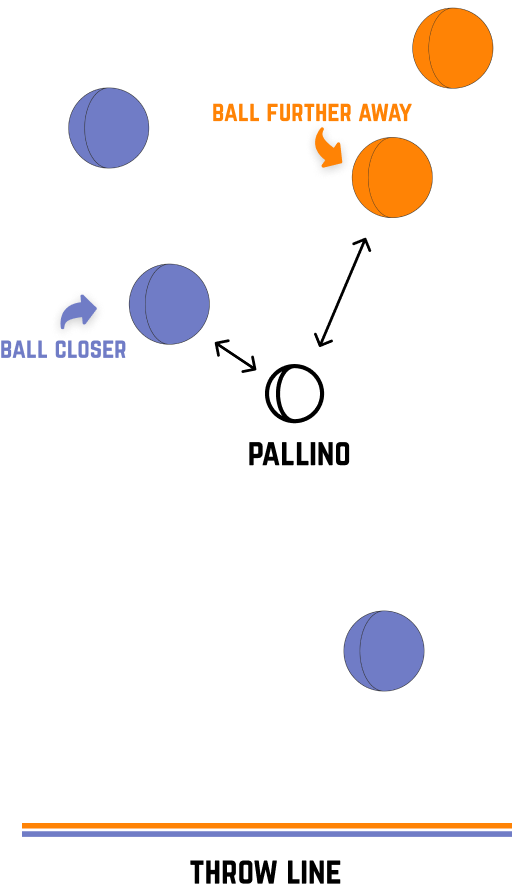
After the first bocce ball is thrown, the opposing team gains possession. They must throw their first bocce ball, which must be the farthest ball from the pallino at that moment. This rule ensures that the team not currently closest to the target always gets the next shot, creating a back-and-forth rhythm that defines the early stages of the match.
Play the frame until all balls are thrown
A frame begins with one team rolling their bocce balls and the other team responding, continuing until all eight balls have left a player’s hand. The objective is simple: get your balls closer to the pallino (the small target ball) than your opponent does.
The first team to throw is determined by the winner of the previous frame or a coin toss if no game has started. That team rolls their first bocce ball, aiming to land near the pallino. The opposing team then throws their first ball, usually trying to land closer to the target or knock the opponent’s ball away.
Once a team has thrown all four of their balls, the other team gets their turn to throw theirs. Players may choose to roll their ball gently to place it near the pallino or throw it forcefully to knock an opponent’s ball away. This back-and-forth continues until all eight bocce balls are in play.
The frame ends only after every ball has been thrown. At that point, the team with the ball closest to the pallino scores points equal to the number of their balls that are closer than the opponent’s nearest ball. For example, if one team has three balls closer than the other team’s closest ball, they score three points.
This process repeats frame by frame until a team reaches the target score, typically 12 points. Winning by two points is often required in official play, adding tension to the final frames.
The team that won the previous frame (or won the coin toss) throws their first bocce ball. They aim to place it as close to the pallino as possible, setting the initial target for the opposing team.
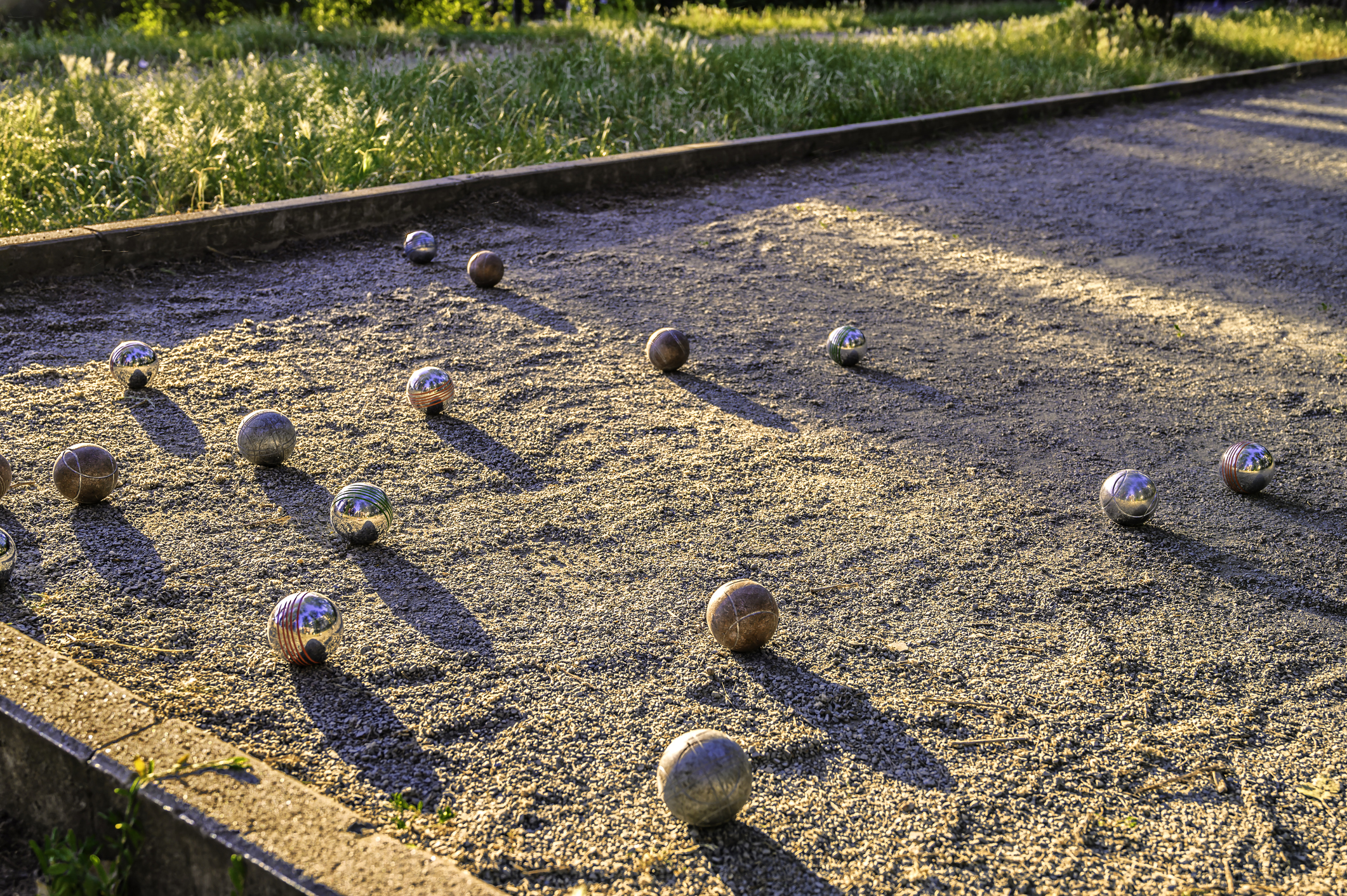
The opposing team throws their first ball. They can try to land closer to the pallino or knock the first team’s ball away. This strategic choice defines the early dynamics of the frame.
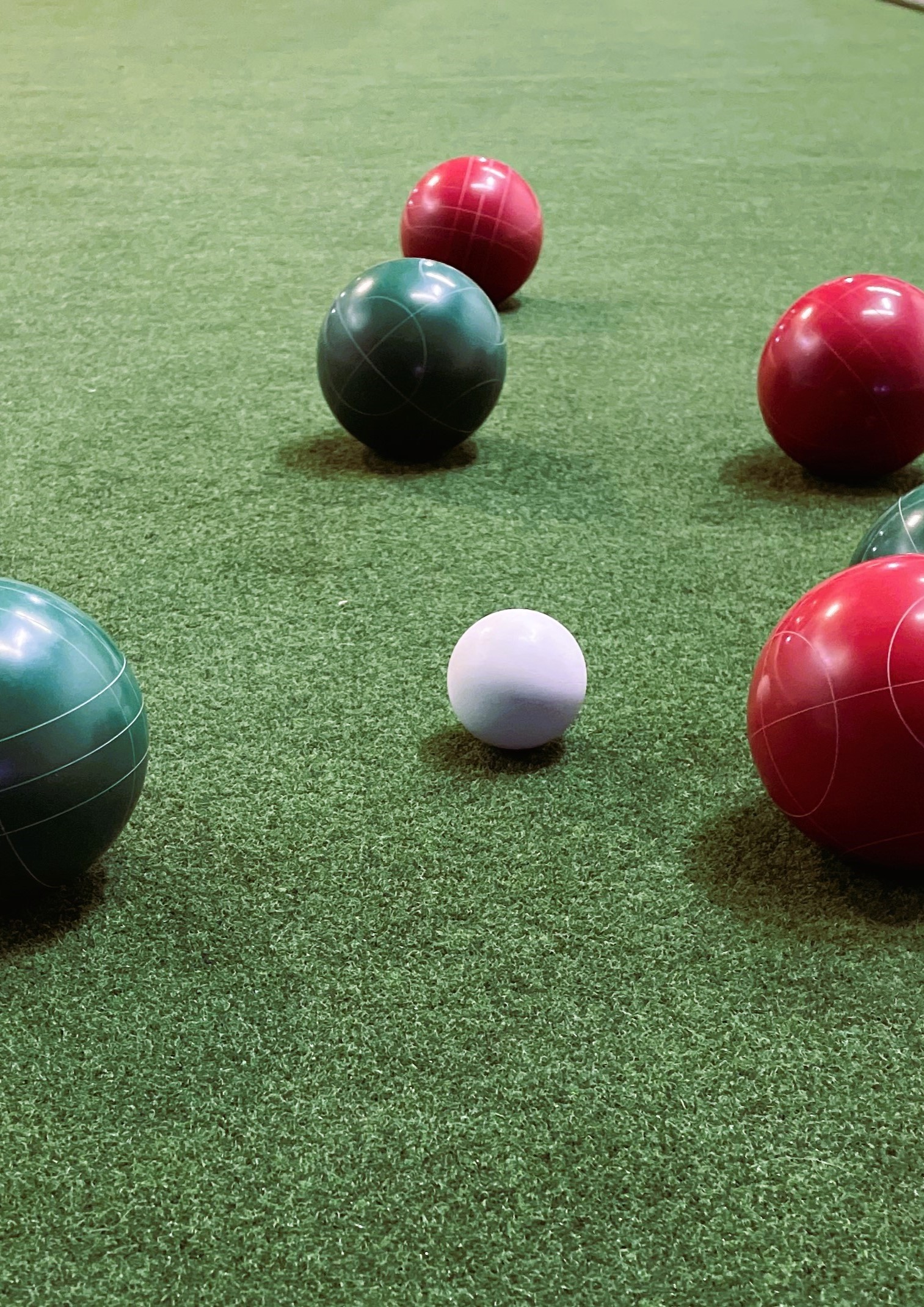
Players continue taking turns, throwing one ball at a time. The team currently "up" (with the ball closest to the pallino) usually plays defensively, while the "down" team plays offensively, trying to improve their position.
Once all eight bocce balls have been thrown, the frame ends. No more throws are allowed. The court is now set, and the scoring phase begins.

The team with the ball closest to the pallino scores points. They get one point for each of their balls that is closer to the pallino than the opponent’s closest ball. The other team scores zero.
Calculate points at the end of the frame
Bocce Ball Rules works best as a clear sequence: define the constraint, compare the realistic options, test the tradeoff, and choose the path with the fewest hidden costs. That order keeps the advice usable instead of decorative. After each step, pause long enough to check whether the recommendation still fits the reader's actual situation. If it depends on perfect timing, unusual access, or a best-case budget, include a simpler fallback.
| Factor | What to check | Why it matters |
|---|---|---|
| Fit | Match the option to the primary use case. | A good deal still fails if it does not fit the job. |
| Condition | Verify age, wear, and service history. | Hidden condition issues erase upfront savings. |
| Cost | Compare purchase price with likely upkeep. | The cheapest option is not always the lowest-cost option. |
Avoid common fouls and mistakes
Disqualifications in bocce usually stem from simple boundary errors or careless ball handling. Understanding where you can and cannot step, and how the balls interact with the court edges, keeps your game legal and competitive.
Foul line violations
Players must stay behind the pointing foul line when throwing the pallino or any bocce ball. You may step on the line, but your toe cannot cross the width of the mark before release. If you do cross, you receive one warning for that specific foul type. If you commit the same foul again in the same frame, the ball is dead and removed from play. This one-warning rule applies separately to foul line violations, hitting the pallino, and other infractions.
Ball handling and court boundaries
Bocce balls are designed to touch the sideboards (lengthwise walls) without penalty. This is a standard part of the strategy, allowing players to bank shots off the walls to reach the pallino. However, touching the backboard is different. If a bocce ball touches the backboard, it is automatically considered a foul and removed from play. Always aim for the sides, never the back wall.
Hitting the pallino
Accidentally hitting the pallino is a common mistake. If your bocce ball strikes the pallino, it is a foul. The pallino is placed back on the court, and your ball is removed. To avoid this, aim for the bocce balls closest to the pallino rather than the small target itself. Use the bocce balls as shields or targets to protect your position.
See bocce ball rules in action
A quick visual walkthrough helps cement the sequence of play. Watch how teams alternate throws, aim for the pallino, and score points in a single frame.
This demo covers the basics from the initial toss of the pallino to the final scoring. It’s a helpful reference when you’re setting up your court or learning the throwing technique.
Checklist for your next game
Before you roll the first ball, make sure you have the essentials. A complete bocce set includes eight large bocce balls and one smaller target ball called the pallina, typically divided evenly between two teams. Having the right gear ensures the game flows smoothly and the scoring stays fair.
Verify you have eight bocce balls and one pallina. Standard sets come in four balls per team, often color-coded for easy identification.

Ensure the playing area is level, clean, and free of debris. Smooth, compacted surfaces like crushed stone or clay provide the best roll.
A flexible tape measure is essential for resolving close calls and determining which team scores points in a tight frame.
You need a simple way to decide who throws the pallina first. A coin flip or rock-paper-scissors settles the opening toss.
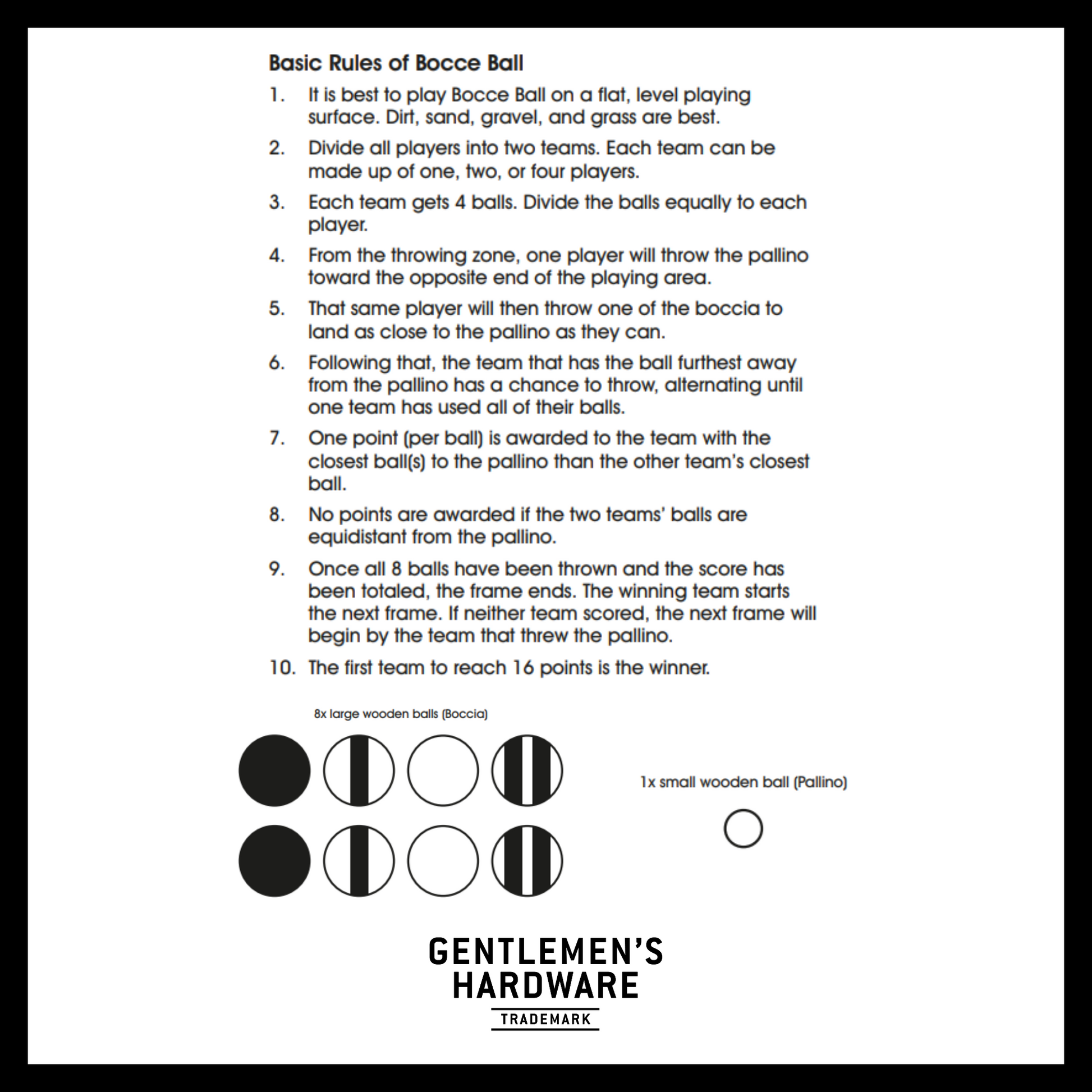
If you are playing casually, you can often improvise with a tennis ball as the pallina and any round objects as bocce balls. However, for a proper game, sticking to standard equipment helps maintain consistent ball weight and size, which matters for accurate pointing and hitting.
No comments yet. Be the first to share your thoughts!