

What you need to play bocce
Bocce requires minimal equipment but a specific setup to ensure fair play. You need a flat surface and a standard set of balls.
The Equipment
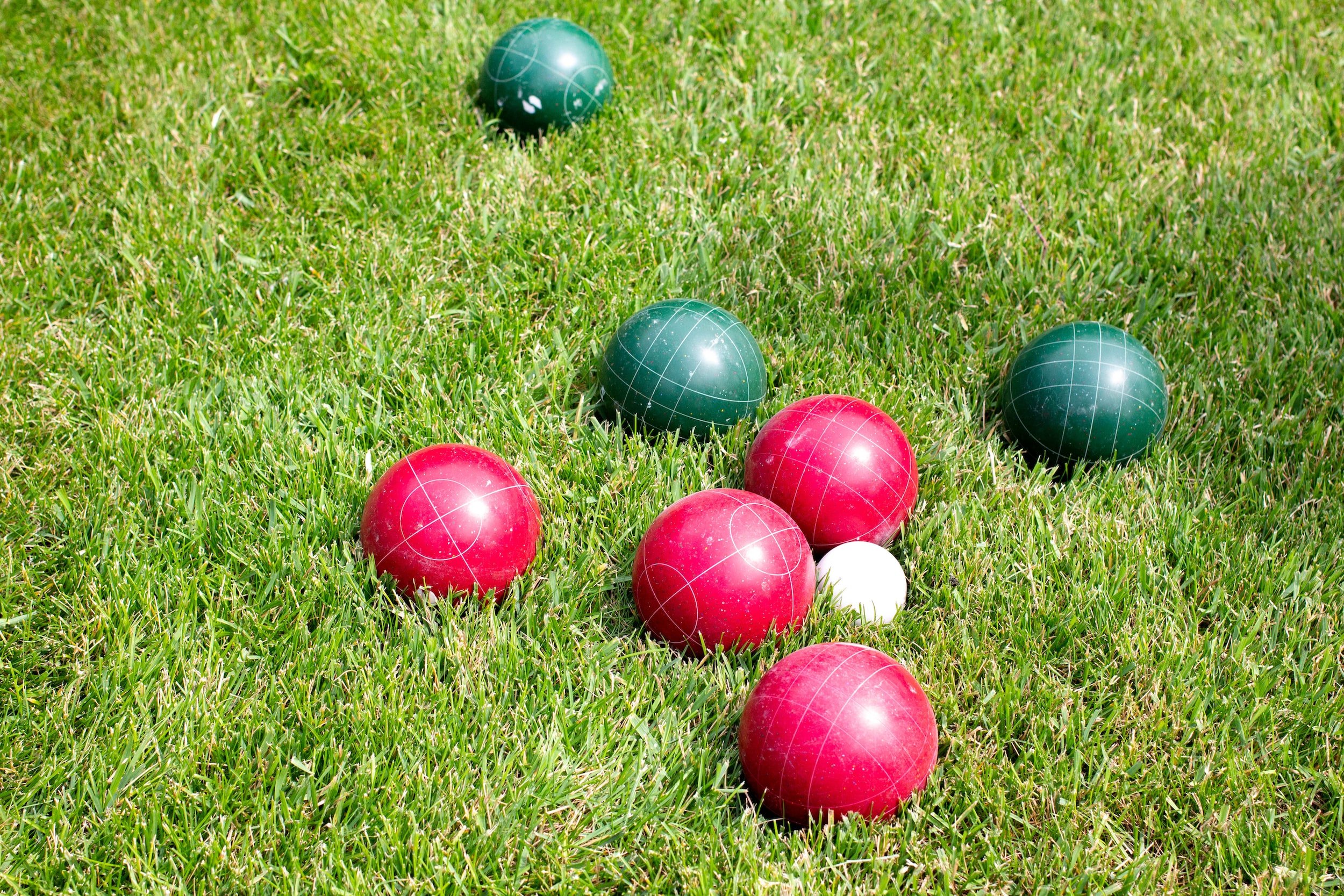
A standard bocce set includes eight large balls and one smaller target ball called the pallina (or pallino). The eight balls are divided evenly between two teams, with each team using four balls of a distinct color. While traditional sets are made of wood, most modern recreational sets use plastic or resin for durability and consistent weight. You can find complete sets online or at sporting goods stores, often including a carrying case and a measuring tape for close calls.
Setting Up the Court
You don’t need a professional court to play. A flat, smooth surface is all that’s required. Hard-packed dirt, crushed stone, or asphalt work well for backyard games. For a more official feel, look for courts with a thin layer of fine gravel or sand, which helps the balls roll smoothly and stop predictably. Avoid grassy areas unless the grass is very short and manicured, as uneven terrain can cause the balls to bounce or veer off course. Mark the boundaries with simple lines or cones if you’re playing in an open space like a park or beach.
Optional Add-Ons
While not strictly necessary, a measuring tape or string is helpful for determining the winner when balls are extremely close to the pallina. Some sets include a referee’s flag or a small net to catch stray balls, which can be useful for larger gatherings. If you’re playing casually, just the balls and a flat space are enough to get started.
Start the frame with the pallina
Every frame begins with a specific sequence that sets the geometry for the entire round. You must establish the target before any scoring balls are thrown. This opening move determines the playing field for both teams.
The first team to start is decided by a coin toss or a preliminary throw. The team that wins the toss chooses whether to throw the pallina first or to select their side of the court. If no toss occurs, the team that scored the most points in the previous frame typically starts.
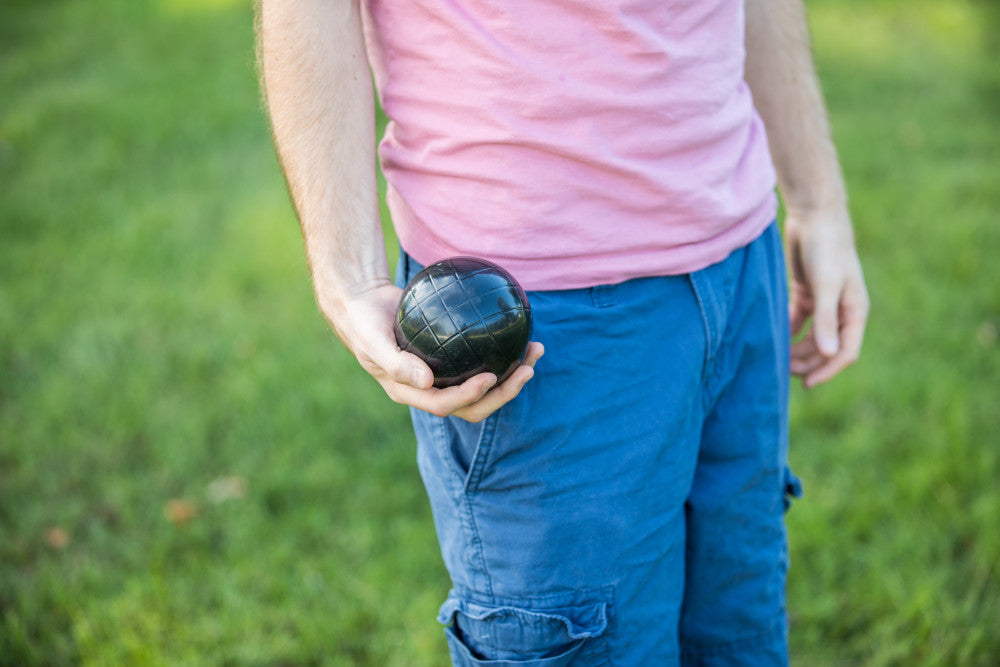
The starting player throws the pallina (the small target ball) down the court. The ball must land within the playing area and stay there. If the pallina rolls out of bounds or stops too close to the foul line, it is replaced or the throw is redone. Players can choose to roll it gently or throw it with force to make it harder to hit.
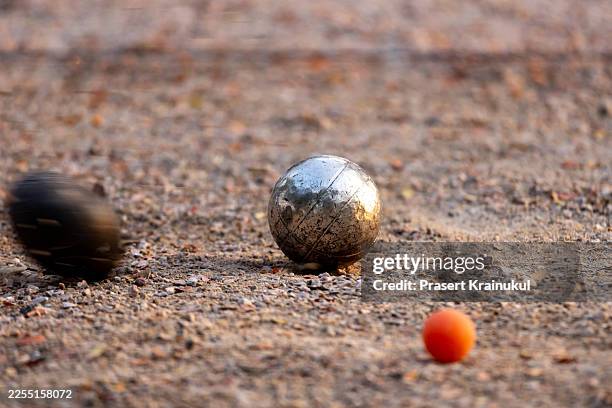
After the pallina is placed, the starting team throws their first bocce ball. This ball must travel at least 1 meter (3 feet) beyond the pallina. If it stops short, it is removed from play. The goal is to land the ball close to the pallina or to knock an opponent’s ball away.
Once the first bocce ball is thrown, the opposing team takes their turn. The game continues with teams alternating throws until all balls for each team have been thrown. The team with the ball closest to the pallina at the end of the round scores points.
Take turns throwing your bocce balls
Bocce is a game of proximity and pressure. Each team throws four balls, and the objective is simple: land your ball closest to the small target ball, known as the pallina. The game unfolds in a strict sequence of throws, where every roll changes the geometry of the court. You are not just aiming for distance; you are navigating around your own balls and the opponent's.
The team that is furthest from the pallina always throws next. This rule drives the entire flow of the match. If your team starts the frame, you throw first. If you miss, or if your ball lands further away than the opponent's, the advantage shifts. The other team must now throw to either beat your distance or knock your ball away entirely. This back-and-forth continues until all eight balls are in play.
The Open Throw
The frame begins with a coin toss to decide who throws the pallina first. The team that wins the toss throws the pallina to start the playing area. The same team then throws their first bocce ball. This initial throw sets the baseline. It is often a cautious throw, designed to establish a safe distance from the pallina without leaving an easy target for the opposition.

Strategy in the Sequence
Understanding who throws next is more than just following rules; it is a strategic tool. If you are ahead, you might choose to play conservatively, keeping your ball close to the pallina to prevent the opponent from knocking it away. If you are behind, you have the advantage of knowing exactly where the target is and where the opponent's ball sits. You can aim for a direct hit to remove their leading ball, or a soft roll to land your ball in a better position.
The pressure of the "furthest from the pallina" rule means that missing a throw is costly. It hands the initiative to your opponent, who now knows your ball's location and can plan their shot accordingly. This dynamic makes bocce a game of patience and precision, where every throw has a direct consequence on the next turn.
Score points after the frame ends
The frame ends when all eight bocce balls have been thrown. At this point, you walk to the court to determine the winner of the round. The scoring is simple but strict: only the team with the ball closest to the pallina scores points.
Imagine the pallina as the north star. Your team earns one point for every ball that is closer to that star than the opponent’s nearest ball. If your closest ball is 10 feet away, but the opponent’s closest is 15 feet away, you score. But if your closest ball is 10 feet away and the opponent’s is 5 feet away, you score zero. The opponent’s superior position blocks your scoring entirely for that frame.
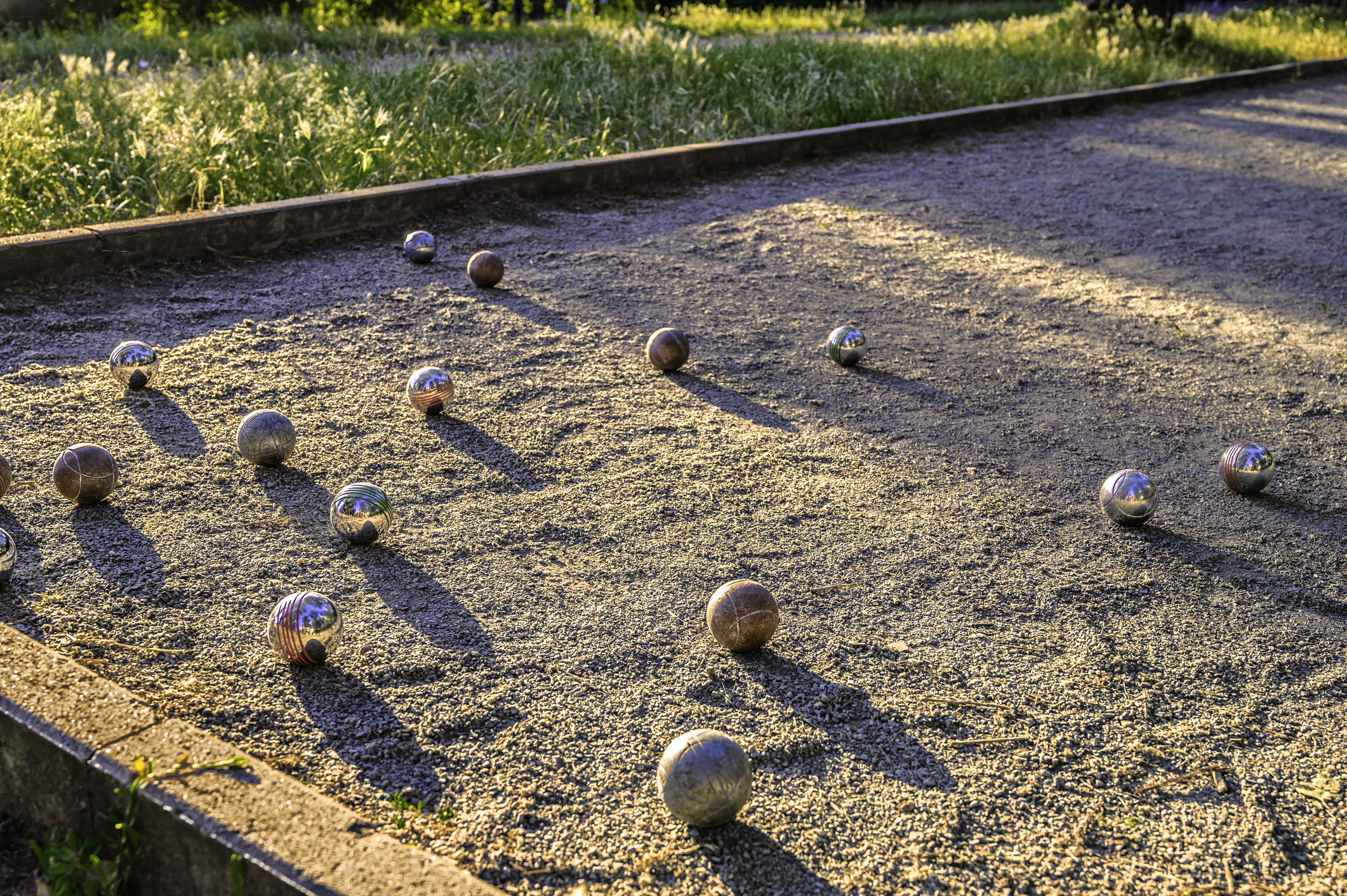
This "closest ball" rule means that having more balls near the target doesn't matter if they are all further away than the rival's best throw. You might have three balls within a few feet of the pallina, but if the other team has just one ball even closer, they take the frame. Your three balls are effectively invisible to the scorekeeper.
Keep track of the score on a small notepad or a dedicated bocce scorecard. The first team to reach 12 points wins the match. In casual backyard play, you might agree to a lower target like 8 or 10 points to keep the game moving quickly.
Common mistakes and how to fix them
Most beginners treat bocce like lawn bowling, swinging their arms hard to knock opponents away. This power-first approach usually backfires, sending balls off the court or leaving them too far from the pallino. Bocce rewards touch and placement over brute force.
Throwing too hard
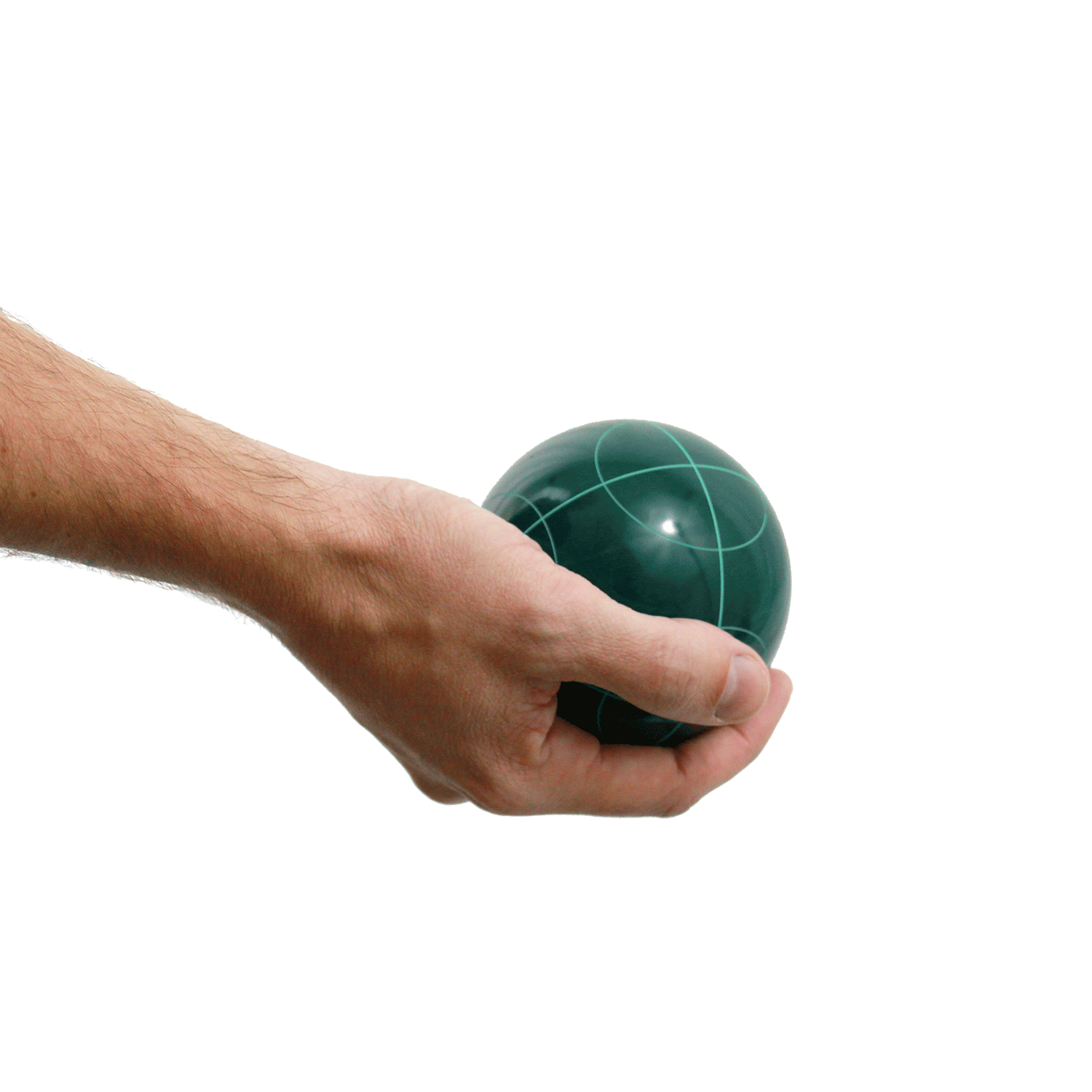
New players often grip the ball too tightly and swing with excessive speed. This creates unpredictable bounces and makes it nearly impossible to control distance. The ball should glide, not launch.
The fix: Loosen your grip and let gravity do the work. Stand still, extend your arm, and release the ball gently as it swings down. Practice aiming for a specific spot on the court rather than trying to hit another ball. A soft throw often lands closer to the pallino than a hard one.
Ignoring the pallino’s position
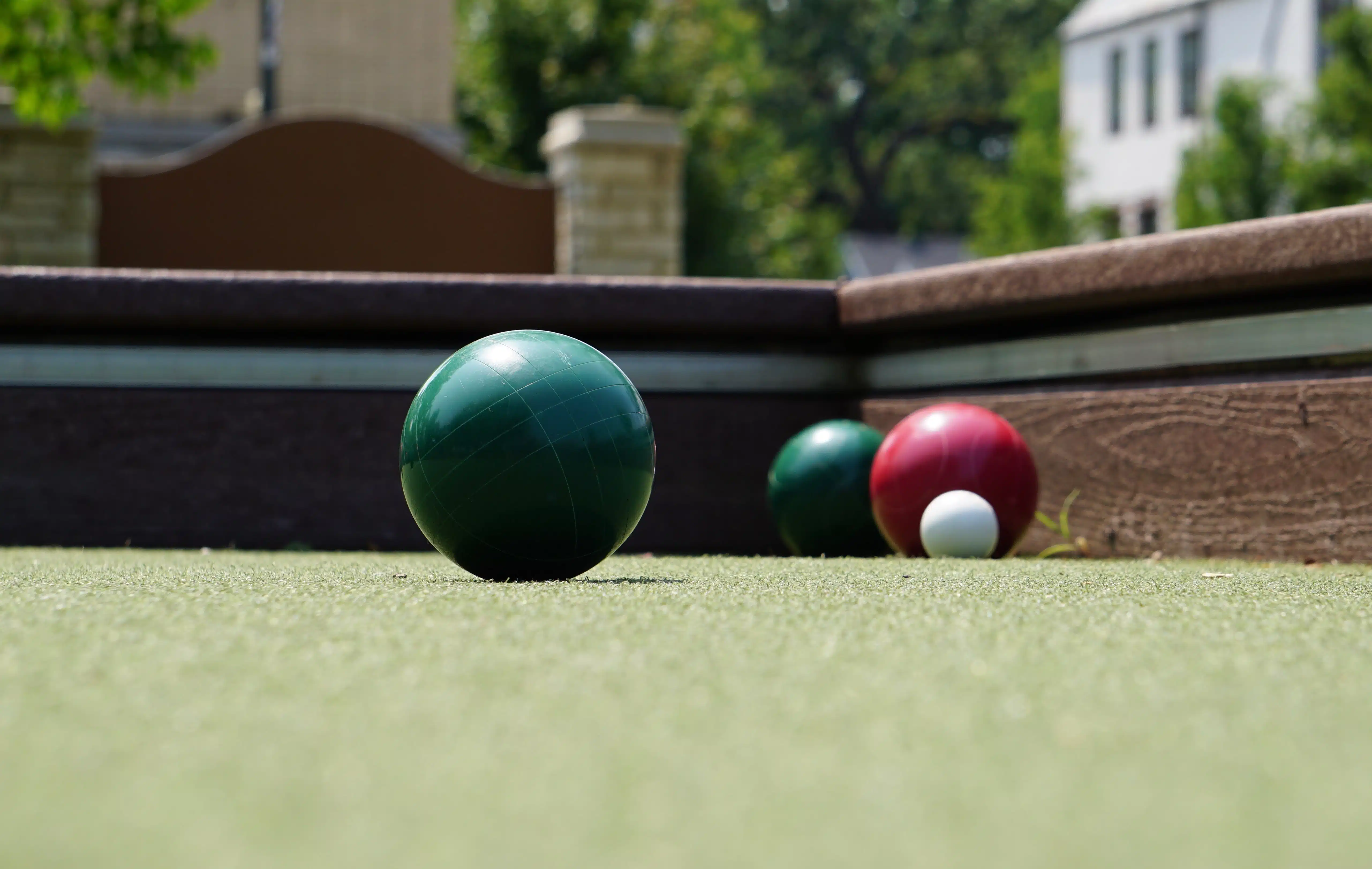
Many players focus only on their own balls, forgetting where the pallino (the small target ball) actually sits. This leads to shots that knock balls away from the scoring zone entirely. You might win the exchange but lose the point.
The fix: Always check the pallino’s location before each throw. If your balls are far away, aim to get close. If you’re already close, try to shield your ball by placing it near the pallino or blocking an opponent’s path. Think of your balls as anchors, not just projectiles.
Poor court awareness
Bocce courts are small, and balls can roll surprisingly far. Beginners often fail to account for the slope or texture of the surface, leading to balls rolling out of bounds or into unfavorable positions.
The fix: Walk the court before playing. Note any slopes or uneven spots. If the court slopes, aim higher on the uphill side and lower on the downhill side. Keep your eyes on the ball until it stops. If a ball rolls out of bounds, remember it’s out of play—don’t waste time chasing it.
Neglecting team communication
In doubles or team play, players often throw without discussing strategy. This results in clustered balls that are easy for opponents to knock away, or missed opportunities to hit an opponent’s ball.
The fix: Talk before each throw. Decide whether to play offense (knocking away opponents) or defense (placing balls near the pallino). If you’re throwing second, consider leaving your ball in a safe spot to block rather than risking a hit. Team bocce is a conversation, not a solo performance.
Advanced bocce ball strategies
Once you have mastered the basic throw, the game shifts from chance to geometry. Advanced play relies on two distinct tactics: the point game, where you place your ball closest to the pallino, and the shoot game, where you remove an opponent’s ball from play. Knowing when to switch between these approaches is what separates casual players from consistent winners.
The Point Game: Precision Placement
The point game is about control and placement. Instead of aiming directly at the pallino, aim for a spot slightly beyond it. This allows your ball to roll gently into the final position without overshooting. If the court has a slope, aim for the high side of the pallino so gravity pulls your ball closer to the target.
Use your practice throws to gauge the speed of the court. A heavy ball on a rough surface will slow down faster than a light ball on smooth concrete. Adjust your release point accordingly. A softer touch is often more effective than a powerful throw in this phase of the game.
The Shoot Game: Removing Opponents
When your team is trailing in points, you must switch to the shoot game. This involves aiming directly at an opponent’s ball to knock it away from the pallino. Accuracy is critical here; a glancing blow might only nudge the ball slightly, leaving it in a dangerous position for the next round.
Aim for the center of the opponent’s ball to maximize the transfer of energy. If you hit the top or bottom, the ball may bounce unpredictably. Practice this shot repeatedly to ensure you can consistently remove specific targets from the court.
Visualizing the Shot
Understanding the trajectory of your ball is essential. Watch how the ball curves on uneven surfaces and adjust your aim to compensate. A straight line on paper rarely translates to a straight path on the court.
Frequently asked questions about bocce
Your bocce ball game checklist
Before you throw the first ball, make sure you have the right setup and know the basics. A bocce ball game runs smoothly when everyone understands the equipment and the goal: getting your balls closer to the pallino than your opponents.
Pre-Game Setup
- Clear the court: Sweep the surface of any debris, rocks, or uneven patches. A smooth court ensures the balls roll true.
- Place the pallino: Toss the small white target ball (pallino) at least 10 to 12 feet away from the starting line. It must land within the court boundaries.
- Assign teams: Decide who throws first. Typically, the team that did not throw the pallino throws first.
Essential Rules to Remember
- One ball per turn: Each player throws only one bocce ball per round.
- Closest wins the point: After all balls for each team are thrown, only the team with the ball closest to the pallino scores points. They earn one point for each of their balls that is closer than the opponent's nearest ball.
- Re-throw the pallino: If the pallino is knocked out of bounds or touches the side walls, the opposing team re-throws it.
Final Checks
- Bring water: Bocce is often played outdoors in the sun. Stay hydrated.
- Check the balls: Ensure all balls for each team are present and not cracked.
-
Court is swept and clear
-
Pallino is within bounds
-
All 9 balls (8 + pallino) are present
-
Players know who throws first
No comments yet. Be the first to share your thoughts!