

Bocce gets an upgrade
Bocce ball, a game with roots stretching back to ancient times, is experiencing a surge in popularity. From casual backyard games to organized leagues, more people are discovering its simple yet strategic appeal. This renewed interest is coinciding with a wave of technological innovation, leading to what some are calling "smart" bocce ball equipment.
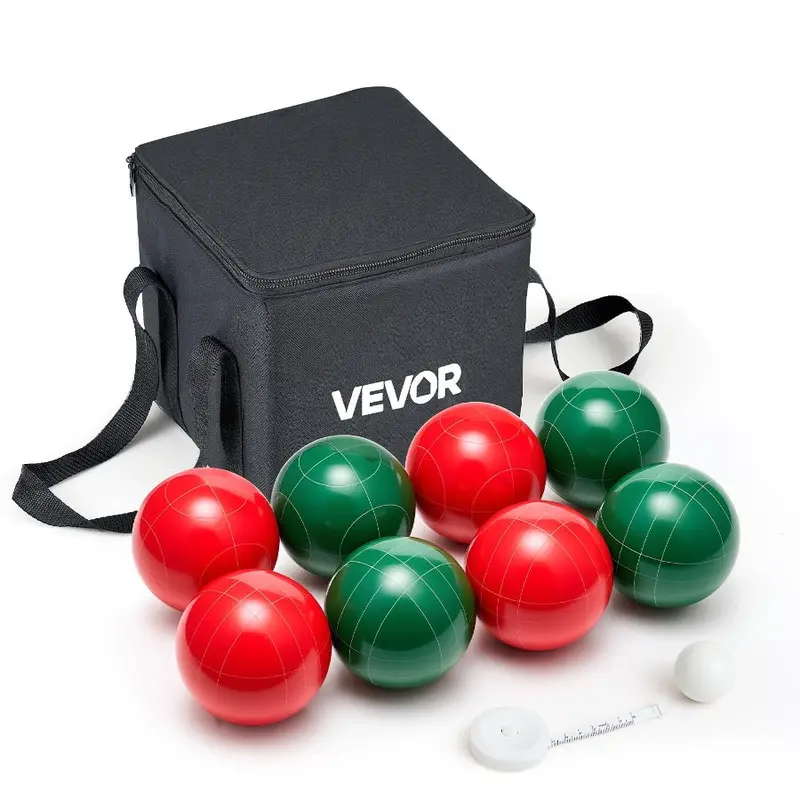
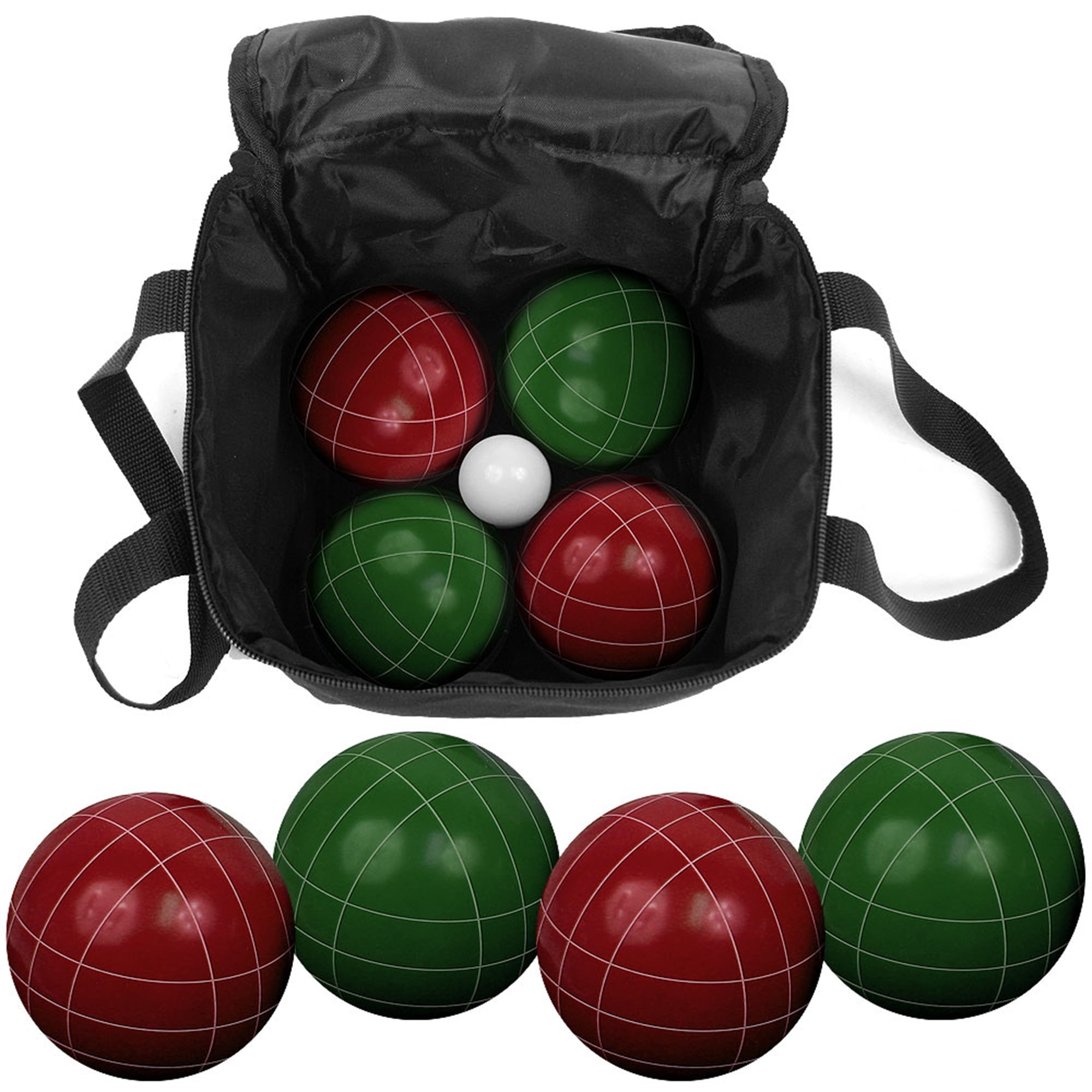
For generations, the game has relied on a fairly static set of tools: eight bocce balls, one pallino, and a tape measure for scoring. Now, manufacturers are beginning to integrate sensors, digital scoring, and data analytics into the experience. While still in its early stages, the potential for technology to enhance bocce is becoming increasingly apparent.
Most smart bocce gear is still in the prototype stage. You won't see these at every local park yet, mostly because the tech is expensive and the benefits are still being tested by early adopters.

Sensors inside the ball
The core of the "smart’ revolution lies within the bocce balls themselves. Manufacturers are embedding a variety of sensors into these traditional spheres, most notably accelerometers and gyroscopes. These sensors are the same ones found in smartphones and fitness trackers, and they’re capable of capturing detailed data about the ball"s movement.
Specifically, these sensors track trajectory, speed, and spin. Think about it: every throw has unique characteristics. Knowing the initial velocity, angle of release, and rotation can provide valuable insights. This data isn’t about automatically correcting a throw mid-flight—that’s still firmly in the realm of science fiction—but about capturing a comprehensive record of each attempt.
The data collected can be used in several ways. Players could receive immediate feedback on their throws via a connected app, allowing them to adjust their technique in real-time. More powerfully, the collected data can be analyzed after a game to identify patterns and areas for improvement. I suspect post-game analysis will be the initial focus, with real-time feedback coming later.
It’s important to note that the technology doesn’t inherently improve a player’s skill. It simply provides more information. The player still needs to interpret that information and make adjustments to their technique. But having access to objective data is a significant advantage.
- Accelerometers for tracking velocity changes
- Gyroscopes to measure ball rotation
- Data Points: Trajectory, speed, spin rate, impact force.
Ditching the tape measure
One of the most immediate benefits of smart bocce ball technology is the potential to automate scoring. Traditionally, determining which ball is closest to the pallino requires a tape measure and, occasionally, a bit of friendly debate. Digital scoring systems aim to eliminate ambiguity and speed up the game.
These systems typically employ cameras and computer vision algorithms to automatically detect the position of each ball on the court. The software then calculates the distance to the pallino and determines the score. This not only reduces the potential for disputes but also significantly accelerates the scoring process.
Currently, many of these systems are in the prototype phase, but some rudimentary apps are beginning to emerge. They often require users to manually input ball positions from a camera feed. More sophisticated systems, utilizing multiple cameras and advanced image processing, are under development. The goal is a completely automated, hands-off scoring experience.
Beyond simply calculating the score, digital scoring systems can also offer additional features such as game tracking, statistics, and tournament management. Imagine a system that automatically records every throw, calculates player statistics, and generates a leaderboard for a local league. Escalade Sports is a key player exploring these possibilities, though specific product details are still emerging. Amazon also offers a variety of basic bocce sets, but without the 'smart' features.
Digital Scoring System Comparison - 2026
| Approach | Accuracy | Setup Complexity | Cost | Lighting Dependence |
|---|---|---|---|---|
| Camera-based | Potentially High - relies on robust object recognition algorithms and minimal occlusion. | High - Requires calibrated camera placement and consistent court visibility. | Generally Highest - System components (cameras, processing unit) contribute to significant expense. | High - Performance degrades significantly in low light or with strong shadows. |
| App-based (Manual Entry) | Dependent on User - Accuracy is limited by manual input and potential for human error. | Low - Primarily requires a smartphone or tablet and the scoring application. | Lowest - Typically free or low-cost applications are available. | None - Does not rely on visual data from the court. |
| Hybrid (Camera Assist + Manual Review) | Moderate to High - Camera provides initial measurements, but human review allows for correction of errors. | Moderate - Camera setup is required, but manual review reduces the need for perfect calibration. | Moderate - Cost is between app-based and fully camera-based systems. | Moderate - Camera component benefits from good lighting, but manual review can compensate for some deficiencies. |
| Camera-based (Multiple Cameras) | Very High - Multiple viewpoints improve accuracy and reduce occlusion issues. | Very High - Requires precise synchronization and calibration of multiple cameras. | Highest - Significantly more expensive than single-camera systems. | High - Still susceptible to lighting issues, though multiple cameras can mitigate some effects. |
| App-based (with Photo Verification) | Moderate - Users submit photos of ball positions for potential automated or community-based verification. | Moderate - Requires app functionality for image capture and submission. | Low to Moderate - Potential costs associated with data storage or premium verification features. | Moderate - Image quality is dependent on lighting conditions. |
| Hybrid (AI-assisted Measurement + Manual Confirmation) | High - AI algorithms pre-measure distances, requiring user confirmation. | Moderate - Camera setup is needed, but AI reduces calibration demands. | Moderate - Cost is influenced by the sophistication of the AI algorithms. | Moderate - AI performance is improved with good lighting. |
Illustrative comparison based on the article research brief. Verify current pricing, limits, and product details in the official docs before relying on it.
The Rise of Bocce Analytics
The real long-term value of smart bocce ball equipment lies in the data it generates. Beyond simply knowing the score, players and coaches can leverage this data to gain a deeper understanding of the game and improve performance. This is where "bocce analytics" comes into play.
Consider the metrics that can be tracked: average throw distance, accuracy percentage (how often a ball lands within a certain radius of the pallino), common landing zones, spin rate, and even the consistency of a player’s release angle. Analyzing these metrics can reveal hidden strengths and weaknesses.
For example, a player might discover they consistently throw with too much power, resulting in balls that overshoot the pallino. Or a coach might identify a pattern in their opponent’s throws, allowing them to develop a counter-strategy. The possibilities are numerous.
I believe this analytical component will be particularly valuable for competitive players and coaches. It’s about moving beyond intuition and relying on objective data to make informed decisions. While it won’t replace the strategic element of the game, it will undoubtedly add another layer of complexity and sophistication.
The cost of going digital
Despite the exciting possibilities, the adoption of smart bocce ball equipment faces several challenges. Cost is a significant barrier. Embedding sensors and developing sophisticated software adds to the manufacturing cost, making these sets more expensive than traditional options. Battery life and durability are also concerns. The sensors need to withstand the rigors of gameplay, and the batteries need to last for a reasonable amount of time.
Data privacy is another important consideration. Players may be hesitant to share their performance data if they are concerned about how it will be used. Manufacturers will need to be transparent about their data collection practices and provide players with control over their information. A standardized protocol for data transmission is also needed to ensure interoperability between different systems.
It’s unlikely that smart bocce ball equipment will completely replace traditional bocce anytime soon. The core appeal of the game lies in its simplicity and accessibility. However, I believe that smart technology will become increasingly popular among serious players and competitive leagues.
The future of bocce ball is likely to be a hybrid one, with traditional and smart equipment coexisting. Smart technology will enhance the experience for those who are interested, while traditional bocce will remain a beloved pastime for generations to come. The focus will be on providing players with more information, more control, and more opportunities to enjoy the game.
What feature would you most like to see in smart bocce ball equipment?
Vote below and tell us which smart feature would add the most value to your bocce experience.

No comments yet. Be the first to share your thoughts!