
Start with the right pallino placement
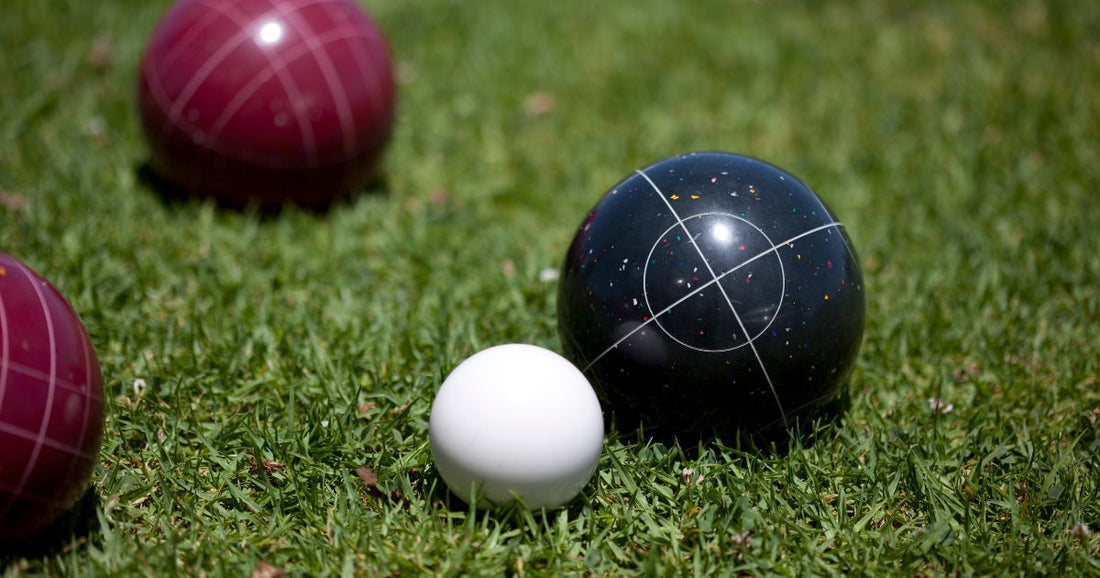
The pallino is the small white target ball that determines the geometry of every subsequent throw. In bocce ball strategies, how you place this ball sets the strategic tone for the entire game. A well-placed pallino creates scoring opportunities for your team while forcing opponents into difficult, low-percentage shots. Treat this first throw not as a casual toss, but as the foundation of your tactical advantage.
The goal is to place the pallino as far downcourt as possible. Ideally, it should rest near the backboard or the far boundary line. This distance creates a "deep" game, allowing your team to use roll shots to push the pallino further or place bocce balls close to it. Conversely, a pallino left in the middle of the court invites aggressive smash shots, which are high-risk and often result in lost points.
Court awareness is critical here. If your court has a backboard, aim to connect with it. The rebound can help the pallino settle into a protected position, often tucking it into a corner or against the side wall. This makes it nearly impossible for opponents to knock it away without also knocking their own bocce balls out of scoring position.
Stand firmly in the throwing circle. Keep your body balanced and your eyes locked on the far end of the court. This is the moment to commit to your target; hesitation leads to inconsistent placement.
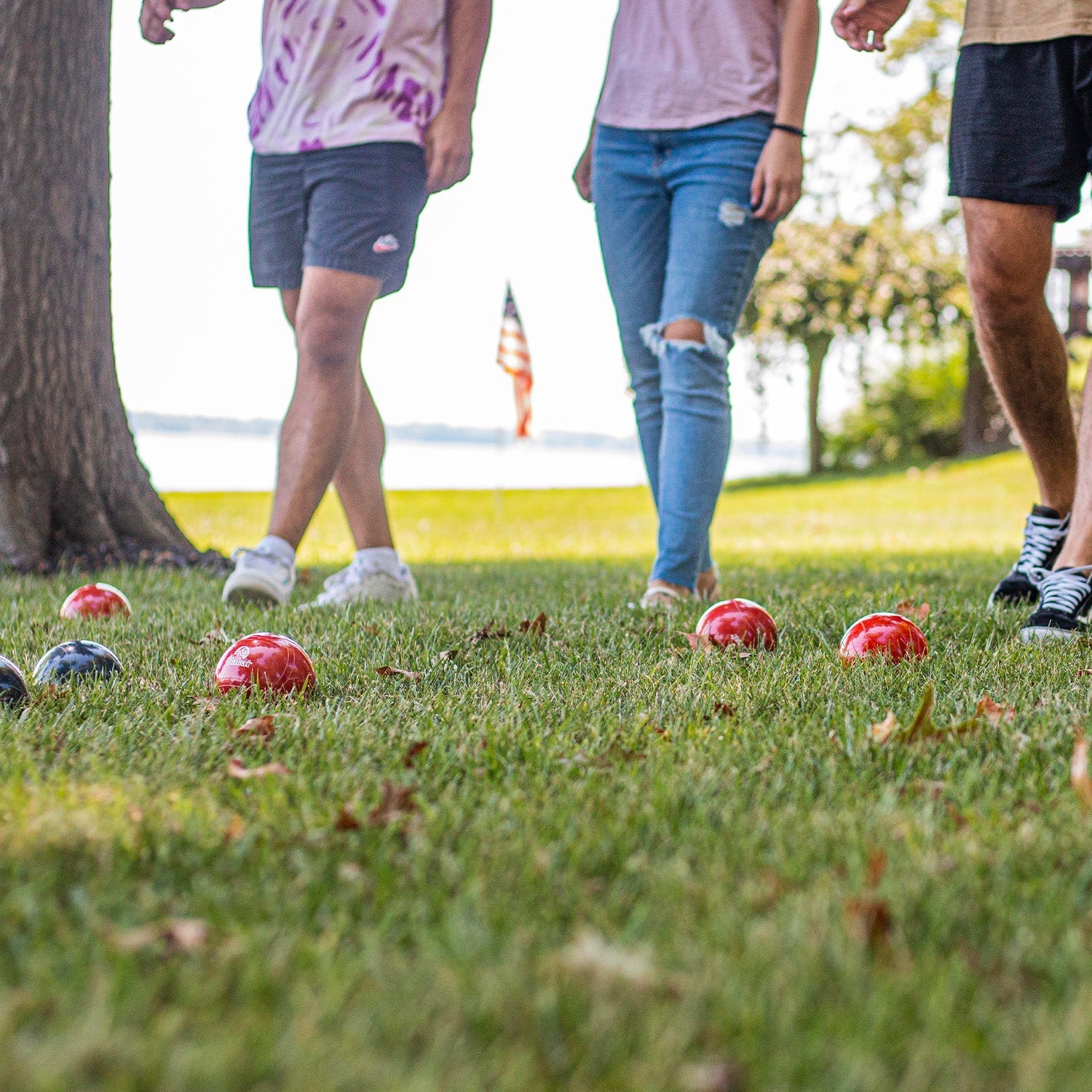
Target the back wall if available. If not, aim for the far boundary line. You want the pallino to travel the maximum distance to force your opponents to play a longer, more difficult shot.
A gentle roll keeps the ball low and controlled, reducing the chance of it bouncing out of bounds. If you prefer a lofted toss, ensure it lands softly. The ball should settle, not bounce wildly, near your chosen target spot.
Avoid the temptation to place the pallino in the center for "fairness." Bocce is a game of positioning. By placing it deep, you force your opponents to choose between a risky smash shot or a precise roll. This initial decision often dictates whether your team controls the game from the first point onward.
Execute the drive to clear the court
The drive is the offensive shot used to remove opponent bocce balls from the playing area or to displace the pallino to a more favorable position. Unlike the gentle roll, which seeks precision, the drive relies on controlled force. It is the primary tool for breaking open a crowded cluster or reclaiming lost territory when your team is trailing.
Mastering this shot requires a shift in mindset. You are not trying to place the ball; you are trying to hit a target. The goal is to strike the opponent’s ball with enough momentum to knock it out of play while keeping your own ball close to the pallino, or to completely remove the pallino if it is blocking your path.
When to choose the drive
Use the drive when the court is congested or when you are behind in points. If your balls are far from the pallino and blocked by opponents, a gentle roll will likely get stuck or deflect unpredictably. In these scenarios, the drive allows you to clear the path and reset the geometry of the game.
Conversely, avoid the drive when you are leading or when the court is open. A missed drive can leave your ball in a worse position than the opponent’s, giving them an easy point. The drive is a high-risk, high-reward maneuver that should be reserved for situations where a gentle roll cannot achieve the desired result.
Identify the opponent’s ball closest to the pallino. This is your primary target. If the pallino is directly behind it, aim for the opponent’s ball to knock the pallino away as well. Ensure your own ball has a clear path to the target without hitting other balls first.
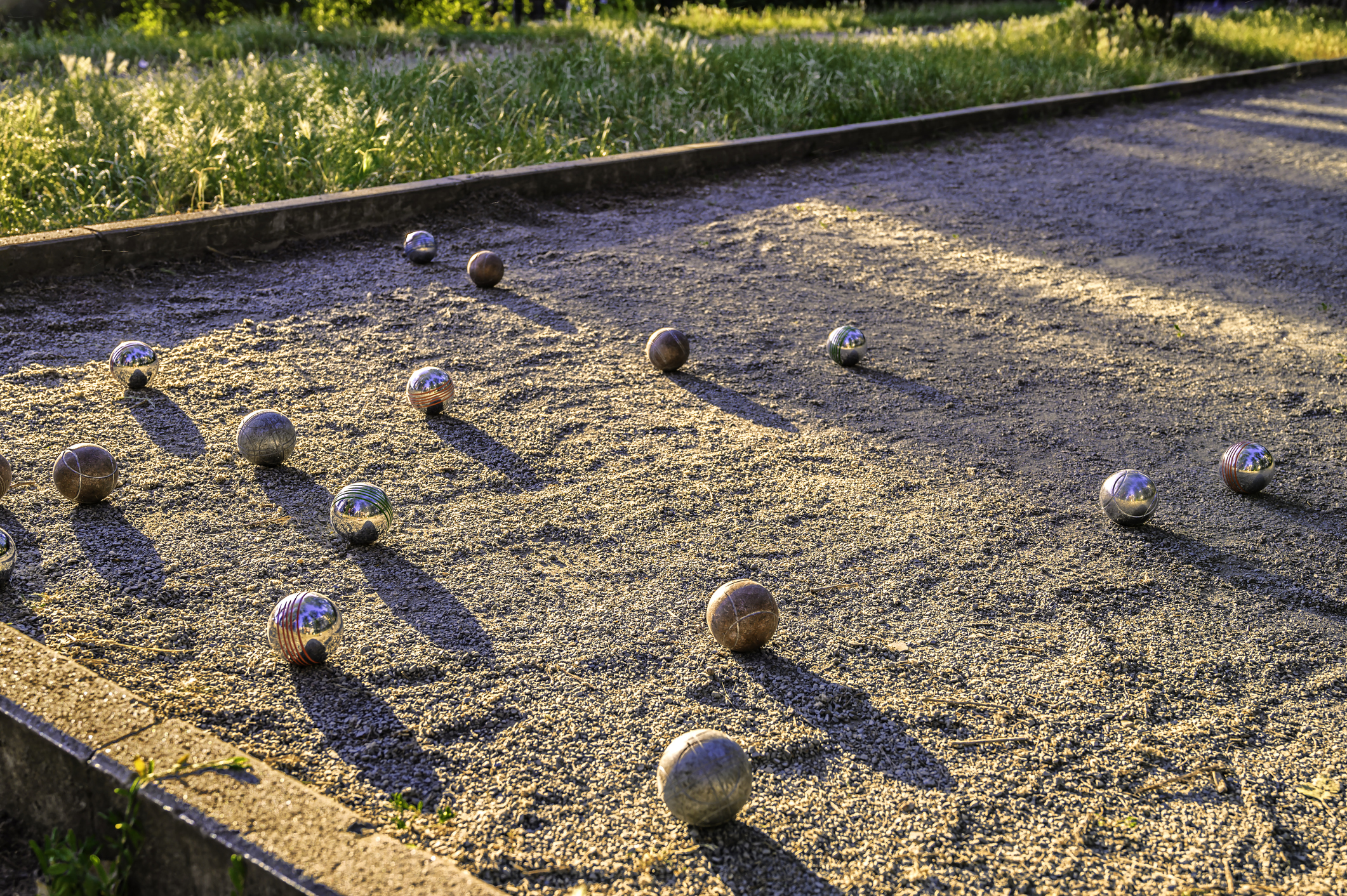
Stand with your feet shoulder-width apart for stability. Grip the ball firmly but not tightly, allowing for a smooth release. Keep your elbow close to your body and your wrist locked to maintain control over the force of the throw.
Use a pendulum swing, keeping your arm straight. Accelerate the ball smoothly through the release point. Do not jerk or snap your wrist. The goal is to transfer maximum energy to the target ball while maintaining a straight trajectory.
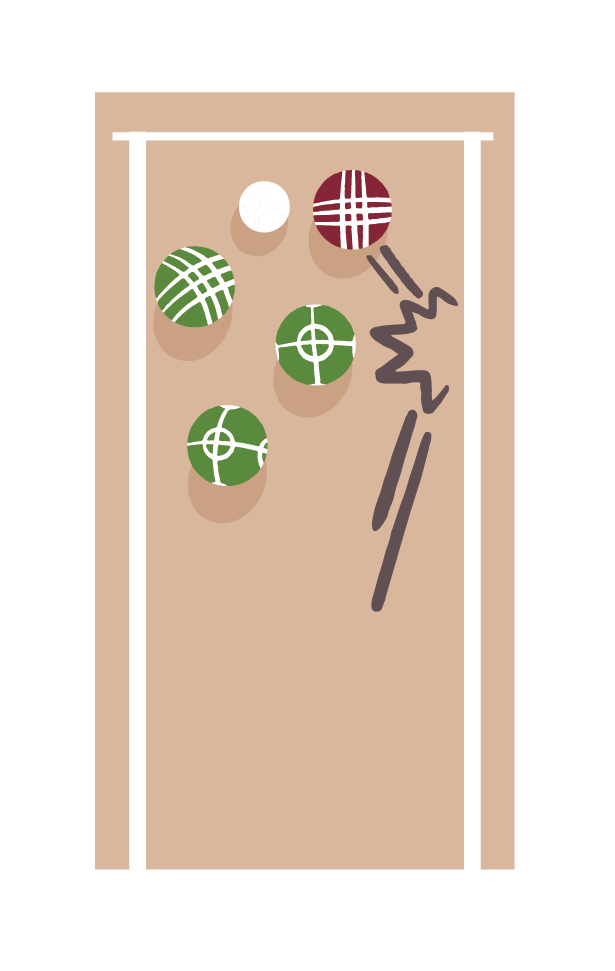
Let your arm follow through toward the target. This ensures the ball travels in the intended direction. After release, watch the ball’s path and the outcome of the collision. Adjust your next shot based on where the balls come to rest.
Use angles and walls to your advantage
Most bocce players treat the court as an open field, aiming directly for the pallino. This linear approach leaves you vulnerable to blocked shots or defensive placements by your opponents. Advanced bocce ball strategies involve treating the side walls as active participants in the game, using them to navigate around obstacles and position your ball with precision.
Bouncing the ball off the side wall, often called a bank shot, allows you to approach the pallino from an unexpected angle. This technique is particularly useful when your opponent has placed a bocce ball directly in the line of sight. By angling your throw to hit the wall first, you can curve the ball’s path around the obstruction, landing it closer to the target than a direct shot would allow.
To execute a bank shot effectively, you must account for the rebound angle. The angle of incidence equals the angle of reflection, so aim for the wall at a point that will send the ball toward your desired landing spot. Practice with different wall distances and ball speeds to develop a feel for how the ball reacts. Start with gentle taps to the wall before attempting high-speed shots, as the ball will travel further and faster after bouncing.
Using the walls adds a layer of complexity that can catch your opponents off guard. It turns the court into a three-dimensional chessboard, where positioning and geometry matter as much as strength. Incorporating bank shots into your repertoire makes your game less predictable and more adaptable to challenging court layouts.
Master the defensive block shot
In bocce ball strategies, offense often gets the glory, but defense wins championships. A defensive block shot is your primary tool for neutralizing an opponent’s advantage. By placing your ball directly between the opponent’s closest ball and the pallino, you create a physical barrier that prevents them from displacing your ball or scoring points in that round.
This tactic is particularly effective when your team is trailing or when the opponent has established a strong position near the pallino. Instead of trying to knock their ball away—which risks missing and leaving your ball in a worse position—you use precision to wedge your ball into the gap. This forces the opponent to attempt a more difficult shot, such as a high-arcing lift or a long-distance roll, increasing the likelihood of an error.
To execute a successful block, aim for the space between the opponent’s ball and the pallino, ensuring your ball is slightly closer to the opponent. This positioning makes it difficult for them to hit your ball without also hitting the pallino, which would result in a penalty. The goal is to make their next shot a low-probability attempt, giving your team control over the flow of the game.
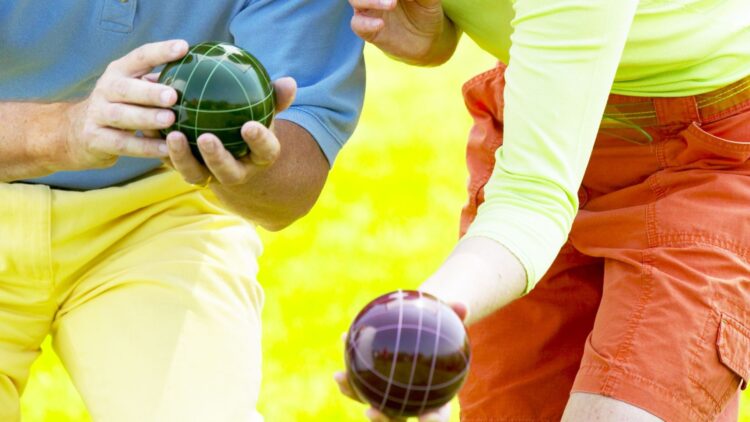
Identify the space between the opponent’s ball and the pallino. Look for any weaknesses in their placement that you can exploit. As one strategy guide notes, the trick is finding a weakness that is even bigger for your opponent.
Stand with your feet shoulder-width apart, facing the target. Keep your elbow close to your body and your wrist firm. This stance provides stability and allows for a smooth, controlled roll.
Target the exact spot between the opponent’s ball and the pallino. Roll the ball with enough force to reach the gap but not so much that it overshoots or hits the pallino. Precision is more important than power here.
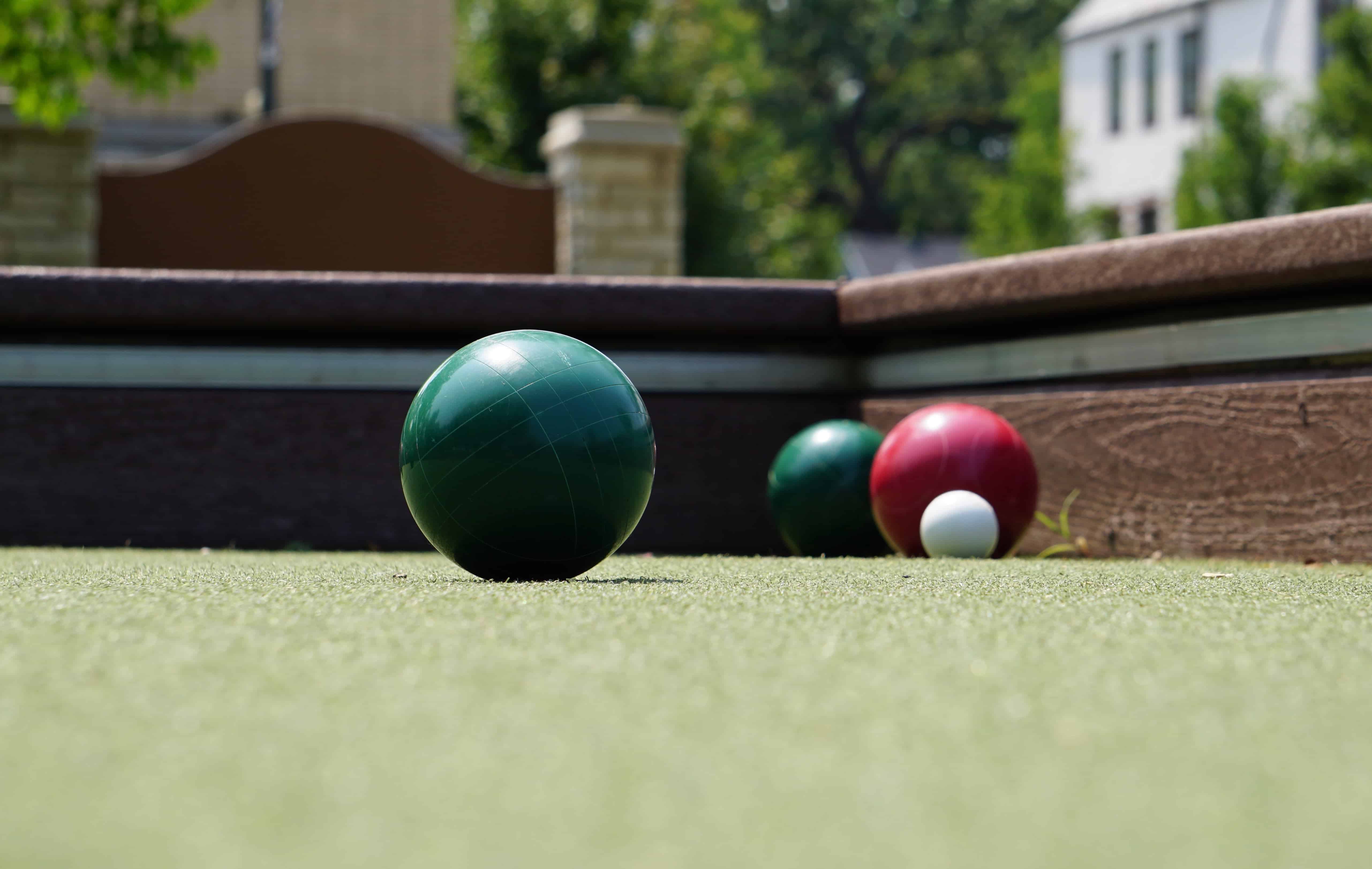
Maintain your follow-through until the ball reaches its target. Watch the ball’s path to ensure it settles correctly. A smooth follow-through helps maintain accuracy and consistency in your shots.
Bocce Ball Strategy Checklist
Before you step onto the court, run through this quick pre-shot routine. These bocce ball strategies turn instinct into execution, ensuring every throw counts toward the pallino.
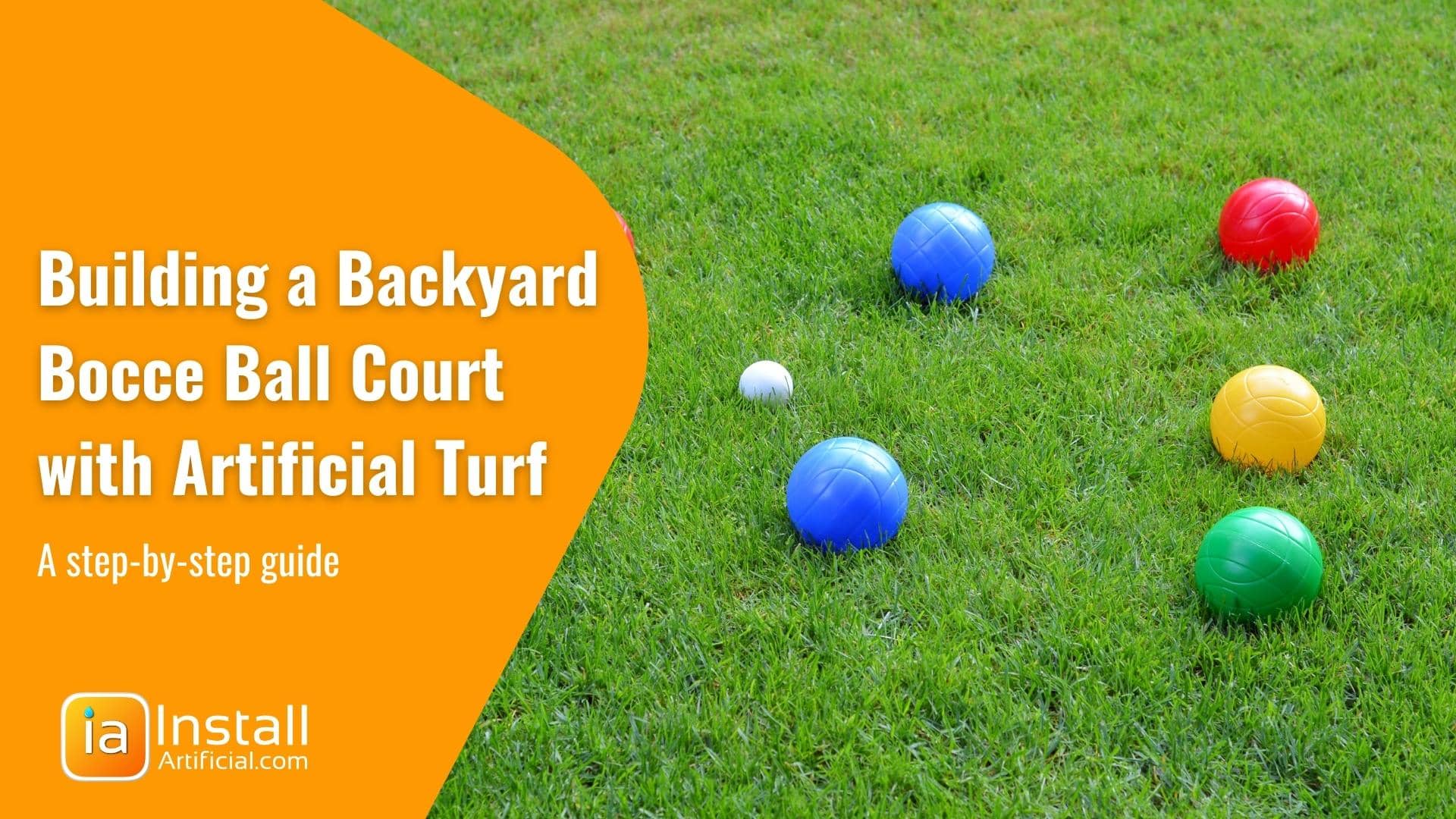
- Secure the backboard: Aim for the rear wall or boundary on your first throw. It locks the ball in place and makes it nearly impossible for opponents to dislodge it.
- Use your backhand for middle shots: Even if you have to stretch, your backhand offers better control and accuracy for precise placement in the center of the court.
- Stay relaxed under pressure: Rushing leads to poor accuracy. Maintain a consistent rhythm and breathing pattern, especially when you are trailing in points.
- Target opponent weaknesses: Identify where your opponent struggles—whether it’s power or finesse—and aim your shots to exploit that specific gap.
No comments yet. Be the first to share your thoughts!