
Set up the court and equipment
Before you roll the first ball, you need a flat surface and the right gear. Bocce ball is a game of precision, and uneven ground or missing pieces will ruin the experience. Here is exactly what you need to get started.
Choose the right surface
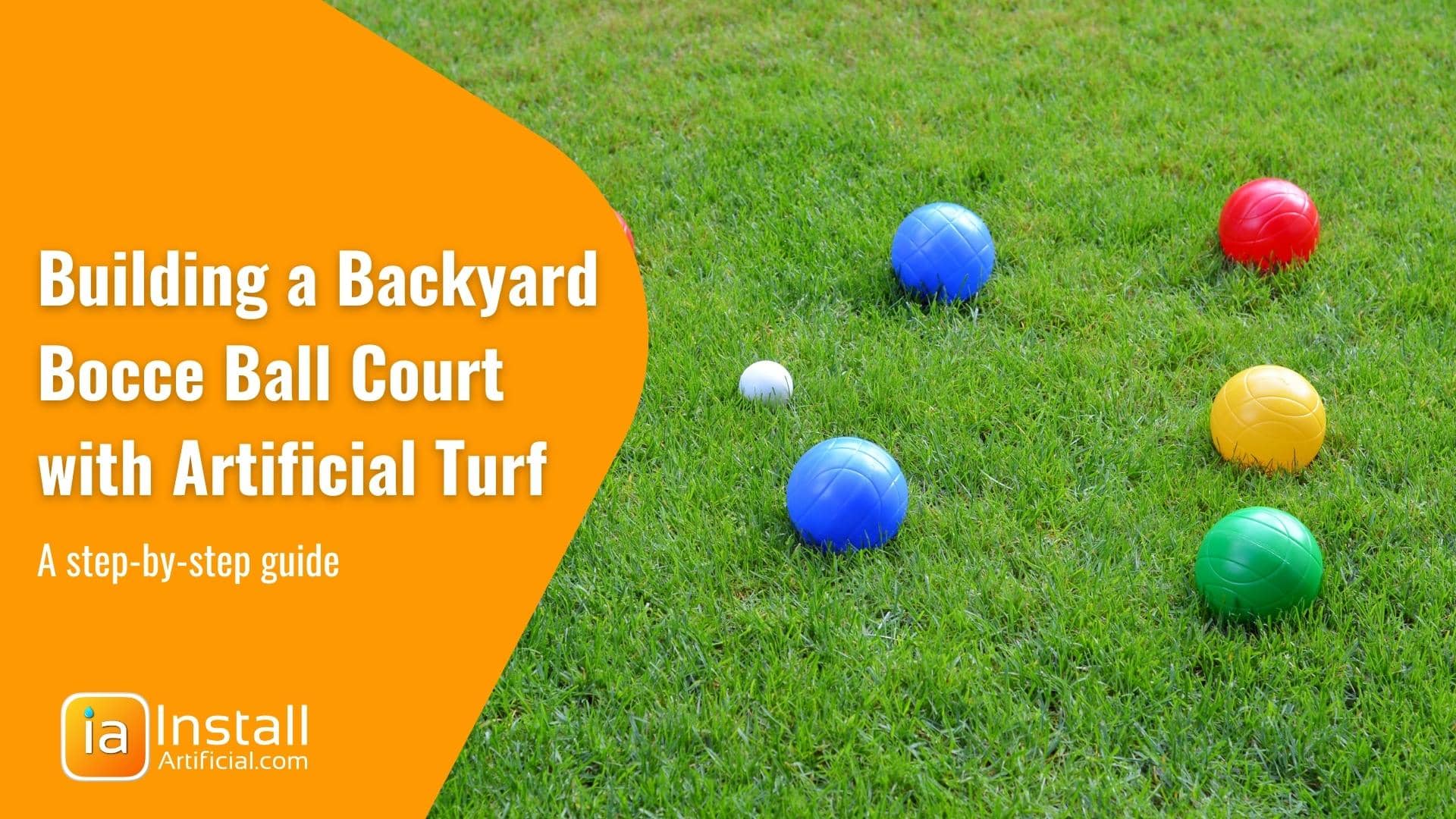
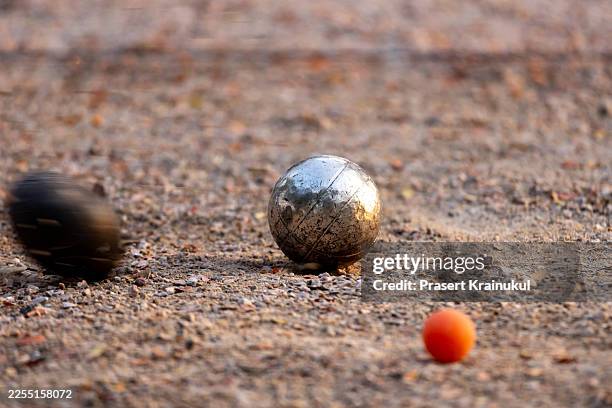
The ideal playing surface is a hard-packed dirt, clay, or crushed stone court. These surfaces allow the balls to roll smoothly and stop predictably. You can also play on well-maintained grass or artificial turf, but the balls will slow down and may bounce slightly. Avoid sand, gravel, or grass that is too long, as these surfaces make it nearly impossible to control the throw.
Mark the playing area
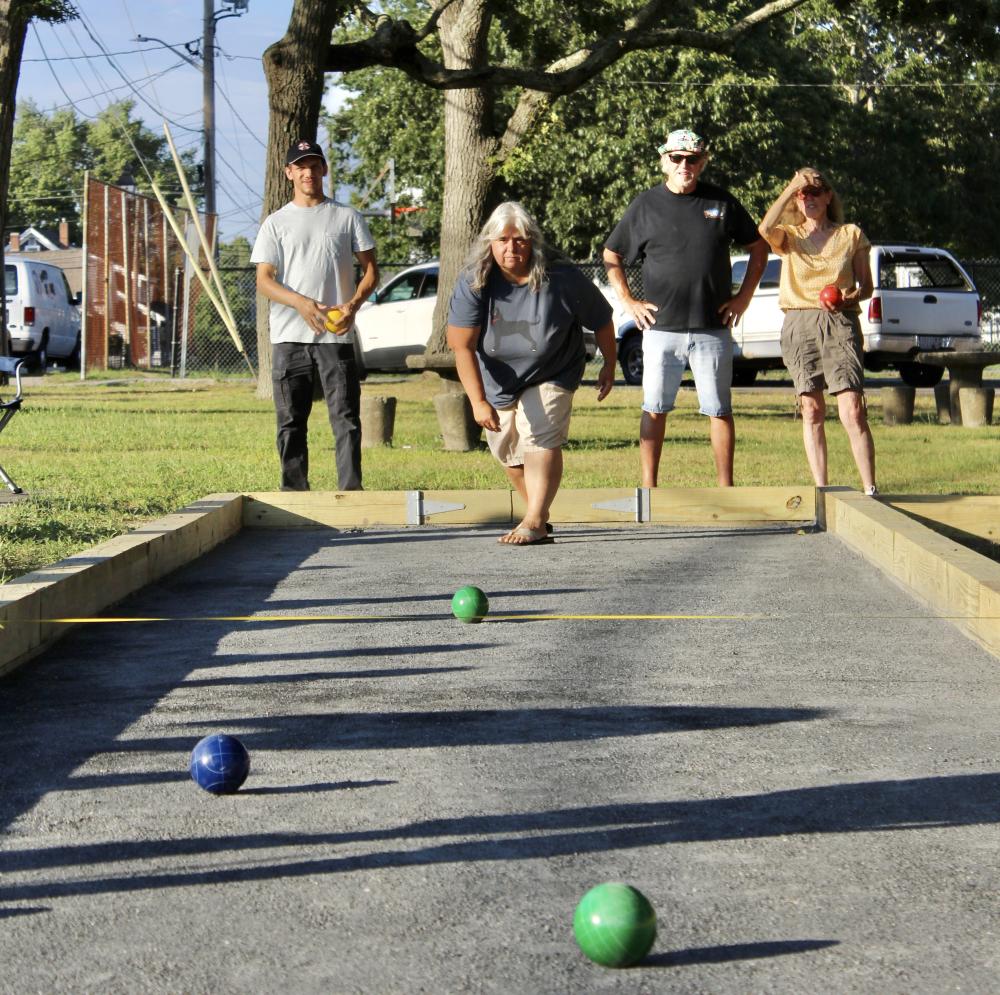
A standard bocce court is 91 feet long and 13 feet wide. For casual backyard play, you can get away with a smaller area, but it should still be rectangular. Use spray paint, chalk, or boundary ropes to mark the lines. The area must be free of rocks, sticks, and debris that could deflect the balls.
Gather your equipment
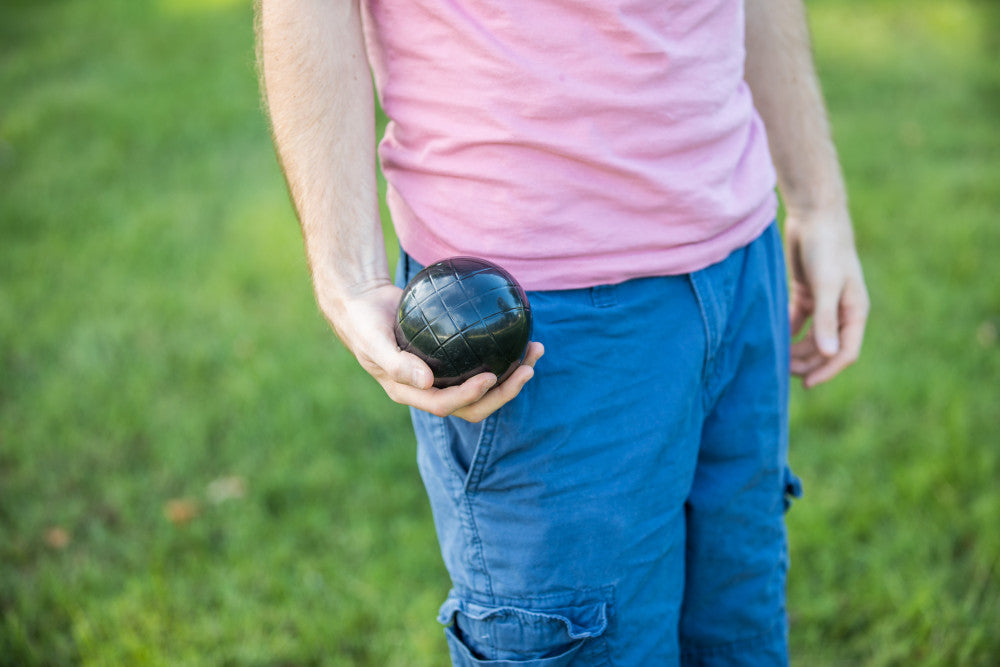
You will need a standard bocce ball set. This includes eight large bocce balls (four per team, usually in two different colors) and one smaller target ball called the pallina or pallino. Some sets also include a measuring tape and a small bag for carrying the balls. Make sure the balls are clean and dry before play.
Follow the throwing sequence
A single round of bocce ball is a structured exchange of throws. The goal is to position your team’s balls closer to the pallino than the opposing team can achieve. Understanding the turn order and throwing mechanics is essential for consistent play.
The round begins with the first player tossing the pallino (the small white target ball). Stand behind the throwing line and gently roll the pallino down the court. It must land between the 16-foot and 60-foot marks. If the pallino lands outside these boundaries, the toss is invalid and must be redone.
After the pallino is in play, the first team throws their opening bocce ball. The objective is to land it as close to the pallino as possible. Players can choose to roll the ball gently to rest near the target or throw it with force to knock an opponent's ball away. The first ball establishes the baseline distance for the round.
Teams alternate throws until all eight bocce balls have been used. The team whose ball is currently closest to the pallino always throws next. This continues regardless of which team has more balls remaining. Players must wait for the previous throw to come to a complete stop before releasing their ball.
Once all balls are thrown, the scoring team counts their balls that are closer to the pallino than the opponent's closest ball. For example, if Team A has three balls closer than Team B's best ball, Team A scores three points. Only the leading team scores in any given round.
After scoring, teams switch ends of the court for the next round. The team that scored last in the previous round throws the pallino first in the new round. The game continues until one team reaches 12 points, though they must win by at least two points.
The rhythm of the game relies on patience and precision. Watch how the balls react to the court surface, as uneven terrain can significantly alter the trajectory of your throws. Adjust your aim accordingly to maintain control over the round.
Calculate points and win the game
Scoring in bocce is deceptively simple but requires attention to detail. After all eight balls per team have been thrown, you count the points for that round. The core rule is that only the team with the ball closest to the pallino (the small target ball) scores points. The opposing team scores zero for that round, regardless of how many of their balls are close.
How to count the score
Look at the balls remaining on the court. Identify which team has the single ball nearest to the pallino. Count every ball from that same team that is closer to the pallino than the closest ball of the opposing team. Each of those balls is worth one point.
For example, if Team A has the closest ball, and two of their other balls are also closer to the pallino than Team B's nearest ball, Team A scores three points. If Team B's nearest ball is closer to the pallino than any of Team A's balls, Team B scores zero, and Team A scores zero.
Winning the game
The game continues round by round, with teams alternating who throws the pallino first. The first team to reach the target score wins. The standard target scores are 12 or 16 points, depending on the league or casual agreement.
In some competitive formats, you must win by two points. If the score is 11-11 and the target is 12, the game continues until one team leads by two after a completed round. Keep a running tally on a scorecard or piece of paper to track the cumulative score across rounds.
Use basic bocce ball techniques
Bocce is a game of angles and touch. You will rarely need power; you need precision. Mastering two fundamental shots—the point and the shot—covers nearly every situation on the court. Think of these as your only two tools in the toolbox.
The Point (Placing Close)
The point is your default move. Use it when your team is behind or tied, or when you have an open lane to the pallino. The goal is to roll your ball so it stops as close to the pallino as possible without hitting anything else.
Stand behind the throwing line. Keep your arm loose and your wrist firm. Roll the ball underhand, letting it bounce once or twice before settling. The bounce helps absorb the court’s unevenness. Aim for a spot slightly past where you think the pallino is, then let the ball roll to rest. Accuracy beats speed every time.
The Shot (Knocking Away)
Use the shot when an opponent’s ball is blocking your path or sitting dangerously close to the pallino. This is an offensive move designed to displace another ball. You are not trying to hit the pallino; you are trying to hit your target ball.
Aim your bocce ball at the side of the opponent’s ball, not the center. Hitting the side creates a glancing blow that sends the target ball away while your ball stays in play. A direct center hit often sends your ball flying off the court. Practice your aim on stationary objects first. Once you can consistently knock a target ball three feet away, you are ready for the game.
Watch a bocce ball demo video
Visualizing the throw clarifies the technique faster than reading alone. The video below breaks down the stance, grip, and release mechanics for both the pallino toss and the bocce roll.
Check your bocce game setup
Before rolling the first ball, verify you have the complete bocce ball set and that the playing area is ready. A proper setup ensures fair play and prevents disputes over equipment or boundaries.
Once the court is cleared and the balls are accounted for, you are ready to begin the game.
Common bocce ball: what to check next
Here are quick answers to the most frequent queries about bocce ball rules, origins, and objectives. These notes cover the basics of gameplay, the game's history, and how scoring works.
The game relies on precision and strategy. Players must decide whether to aim for the target or knock an opponent's ball away. Understanding these core questions helps new players jump straight into the game without confusion.
No comments yet. Be the first to share your thoughts!