
2026 Olympic Bocce Ball Format
The inclusion of bocce ball in the 2026 Olympic Games represents a significant moment for the sport. While bocce has a long and storied history, particularly in Italy and other parts of Europe, its appearance on the Olympic stage is relatively new. The competition will feature both individual and doubles play, with a total of 64 athletes – 32 men and 32 women – competing for medals. Each nation can send a maximum of two players per gender, meaning a total of four athletes representing any single country.
The tournament structure will involve a round-robin group stage, followed by a single-elimination bracket. The specifics of the group stage – the number of groups and how teams are seeded – will be determined closer to the games, but the goal is to ensure fair competition and a chance for all participating nations to prove themselves. Qualification is based on a combination of world rankings and regional qualifying tournaments held throughout 2025. These qualifying events will take place across Europe, Asia, the Americas, and Africa.
The Confédération Mondiale de Boules Sports (CMBS), the international governing body for boules sports, is keen on showcasing the accessibility of bocce. They aim for a format that’s easy for spectators to understand, while maintaining a high level of competitive integrity. There has been discussion of experimenting with a slightly modified scoring system to encourage more dynamic gameplay, but no final decisions have been made as of late 2024.
Compared to previous international competitions, like the World Bocce Championships, the Olympic format is more streamlined, emphasizing quick matches and a clear path to the medal rounds. This choice likely aims to appeal to a broader audience and fit within the overall Olympic schedule, balancing traditional elements with global accessibility.
Official Bocce Ball Specifications
The official rules regarding bocce ball specifications are quite precise. Bocce balls used in Olympic competition must fall within a specific weight range: between 800 and 920 grams (approximately 1.76 to 2.03 pounds). The diameter must be between 84 and 90 millimeters (roughly 3.3 to 3.5 inches). This ensures a level playing field, as the weight and size of the balls directly impact their trajectory and how they interact with other balls on the court.
The material composition is also regulated. Olympic bocce balls must be made of a synthetic resin, typically a durable polymer designed to withstand repeated use and varying weather conditions. Balls made of metal or other materials are strictly prohibited. There isn’t a mandated brand, but balls must meet these standards to be approved for competition. The pallino, or jack, is significantly smaller, with a diameter of 40 millimeters (about 1.6 inches) and a weight between 140 and 170 grams (approximately 4.9 to 6 ounces).
According to the CMBS regulations, the pallino must be white and made of a similar synthetic resin as the bocce balls. This consistency in material is important for predictable gameplay. Manufacturers like Dutto and Le Chic are popular choices among professional players, though they do not have official Olympic endorsements. Players often choose balls based on personal preference, considering factors like grip and balance.
Recent changes to ball specifications have been minimal. The current regulations have been in place for several years and are generally considered adequate. However, the CMBS continuously monitors the development of new materials and technologies to ensure the integrity of the game. They have recently begun more rigorous testing for ball hardness and bounce, aiming to eliminate any balls that might offer an unfair advantage.
- Bocce Ball Weight: 800-920 grams Bocce Ball Diameter: 84-90 millimeters
- Pallino Weight: 140-170 grams Pallino Diameter: 40 millimeters
- Pallino Weight: 140-170 grams
- Pallino Diameter: 40 millimeters
Bocce Ball and Pallino Specifications for International Competition
| Feature | Bocce Ball | Pallino |
|---|---|---|
| Weight | Between 800 and 920 grams (1.76 - 2.03 lbs) | Between 30 and 40 grams (1.06 - 1.41 oz) |
| Diameter | 84 - 90 millimeters (3.31 - 3.54 inches) | 40 - 50 millimeters (1.57 - 1.97 inches) |
| Material | Typically resin or a synthetic material. May contain metal components. | Resin or synthetic material |
| Hardness | Defined by Shore durometer; specifications are set by governing bodies to ensure consistency and fair play. | Slightly softer than bocce balls to allow for accurate rolling and stopping distance. |
| Color | Sets typically include balls in four different colors: red, green, blue, and yellow. | White |
| Surface | Smooth, non-slip surface for consistent grip and roll. | Smooth, consistent surface |
Illustrative comparison based on the article research brief. Verify current pricing, limits, and product details in the official docs before relying on it.
The playing court
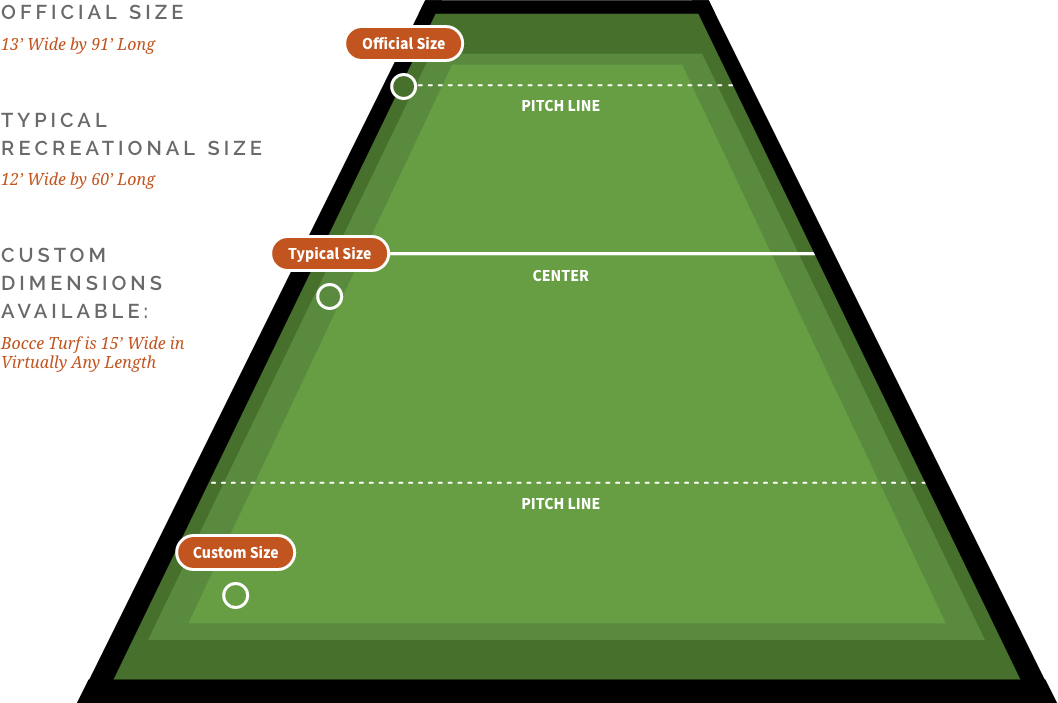
The bocce court is a rectangular playing surface with very specific dimensions. The official length is 26.5 to 27.5 meters (approximately 86.9 to 90.2 feet), and the width is 2.5 to 3 meters (roughly 8.2 to 9.8 feet). These dimensions are crucial for ensuring a consistent playing experience across all venues. The surface can be natural clay, synthetic material, or a combination of both, but it must be level and well-maintained.
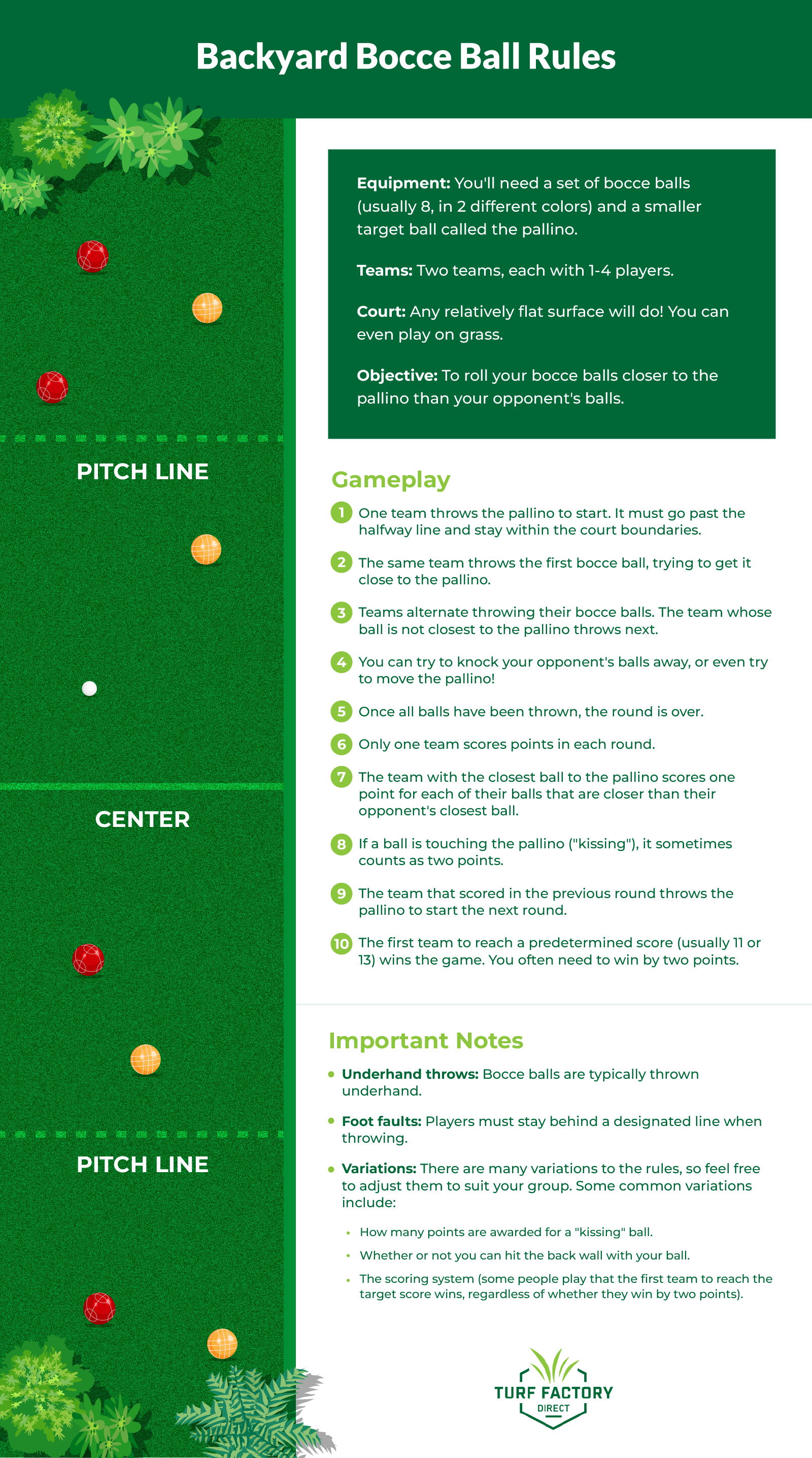
Several key markings are required on the court. There's a foul line at each end, marking the boundary beyond which players cannot step when delivering their balls. A center line divides the court lengthwise, and there are designated areas for the pallino and the bocce balls. These markings help referees accurately determine scoring and ensure fair play. The court is also often surrounded by low barriers to prevent balls from rolling off the playing surface.
Court maintenance is essential. The surface must be regularly rolled and watered to maintain the correct level of compaction and prevent dust. Any irregularities in the surface can affect the trajectory of the balls and give an unfair advantage to one player or team. A court designer emphasized the importance of proper drainage to prevent waterlogging, especially in outdoor venues.
Specific requirements for court lighting aren’t extensively detailed in the official rules, but adequate illumination is necessary for visibility during evening matches. The lighting must be uniform and avoid creating shadows that could interfere with gameplay. The local organizing committee ensures the court meets these standards. Slight variations are allowed for court dimensions at different levels, but these must be approved by the CMBS.
Throwing and delivery rules
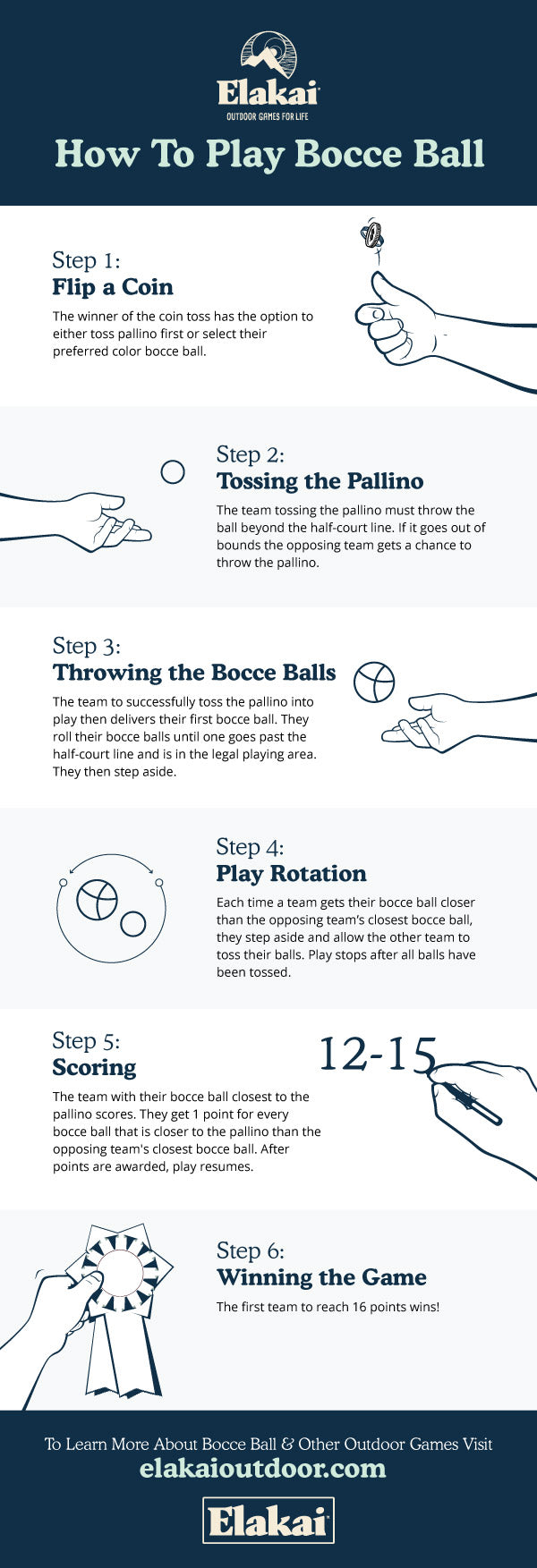
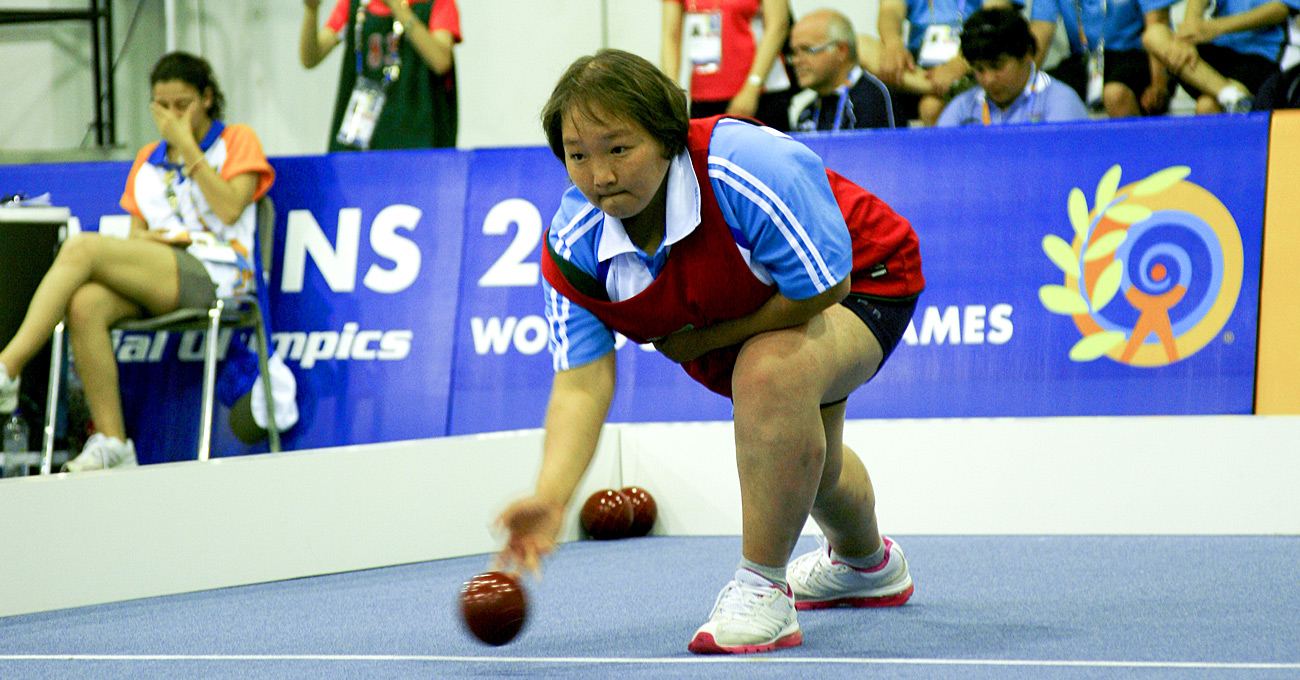
A legal throw in Olympic bocce ball begins with the player standing behind the foul line. Both feet must remain behind the line until the ball is released. Players are permitted a short preparatory step, but they cannot cross the foul line during the delivery. The ball must be thrown underhand; any overhand or sidearm throws are considered fouls. This rule is intended to promote accuracy and control.
The release of the ball is also governed by specific rules. The ball must be released with a smooth, continuous motion. Players are not allowed to impart excessive spin on the ball, as this can make it difficult to predict its trajectory. According to the CMBS, the goal is to deliver the ball with a controlled roll, rather than a forceful throw. The first throw, with the pallino, requires the player to successfully land the pallino within a designated area of the court.
Subsequent throws are aimed at getting closer to the pallino than the opponent’s balls. Players can attempt to knock their opponent’s balls away from the pallino, or they can try to nudge their own balls closer. This is where strategic play comes into effect. A foul occurs if a player steps over the foul line, throws the ball illegally, or interferes with an opponent’s throw. Penalties for fouls can range from a warning to the removal of the illegally thrown ball.
Referees are very strict about enforcing the foot placement rule. Even a slight step over the foul line can result in a penalty. Players often practice their footwork to ensure they stay behind the line throughout the delivery. A rule also governs the time allowed for each throw; players are expected to deliver their balls within a reasonable timeframe to maintain the pace of the game. The time limit is usually set by the referee at the start of the match.
The 'giro' – a curved throw – is a legal technique requiring a high degree of skill and control. Players use a slight wrist action to impart spin on the ball, causing it to curve in flight, which can be an effective way to navigate around obstacles or position the ball strategically.
Scoring and measurement
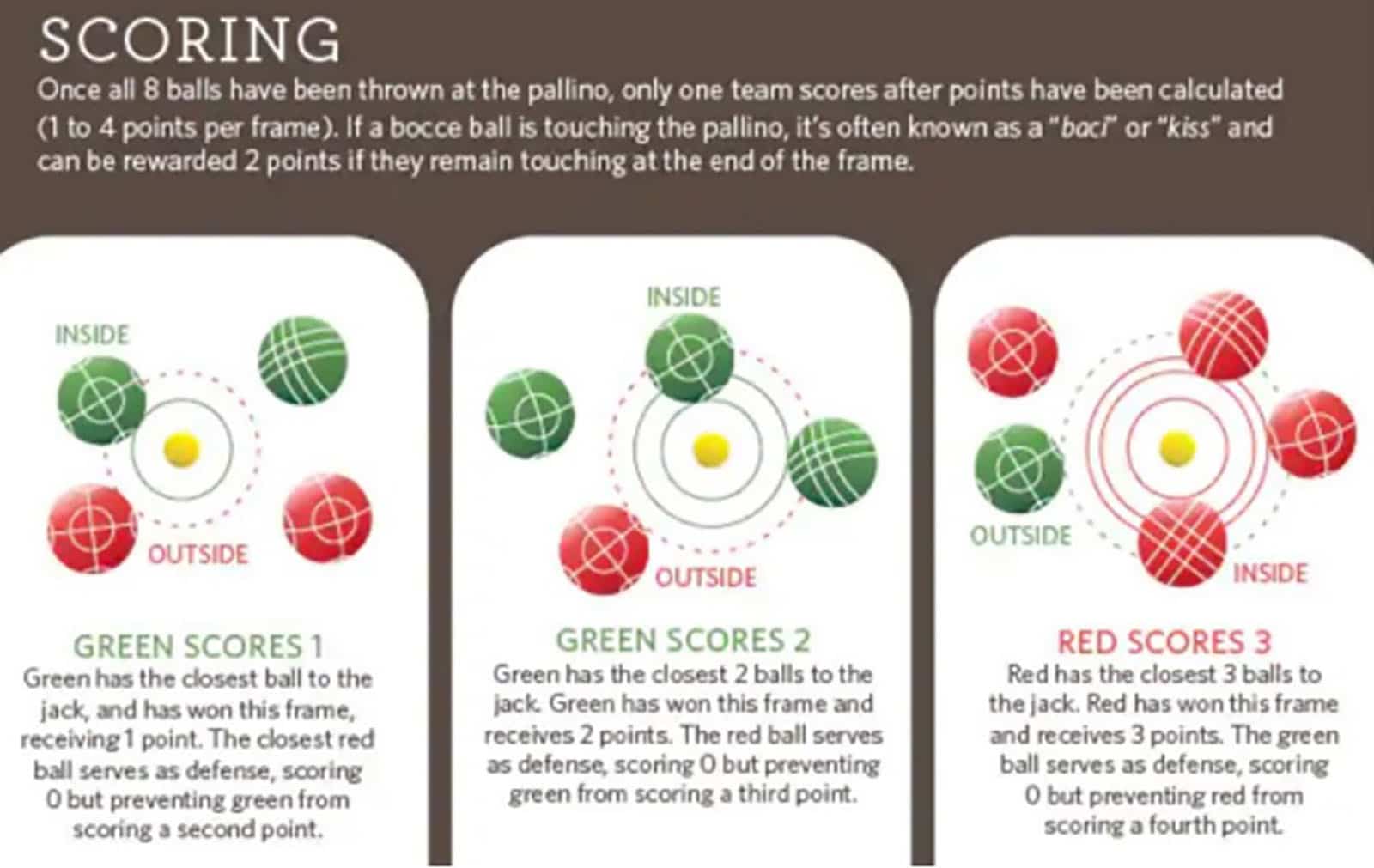
Scoring in Olympic bocce ball is based on proximity to the pallino. After all balls have been thrown, the team with the ball closest to the pallino scores one point for each of its balls that are closer than the closest ball of the opposing team. Only balls that are within the boundaries of the court are considered for scoring. The team that scores in a frame (a round of throws) continues to throw until it loses the point advantage.
Determining proximity can be challenging, especially when balls are very close together. Referees use specialized measuring devices, typically a flexible tape measure or a caliper, to accurately determine which balls are closer to the pallino. In the event of a tie, the ball that was thrown first is considered closer. This rule has been in place for many years.
The 'win by two' rule is a key aspect of the scoring system. A team must win a frame by at least two points to be awarded the points for that frame. If the score is tied, play continues until one team establishes a two-point lead. This rule adds an element of tension and encourages aggressive play. A match typically consists of multiple frames, and the first team to reach a predetermined number of points – usually 12 – wins the match.
The exact protocols for resolving measurement disputes are not publicly detailed, but the referee’s decision is usually final. Teams can challenge a referee’s call, and the challenge will be reviewed by a jury. The jury’s decision is binding. The jury typically consists of experienced bocce ball officials familiar with the rules and regulations.
Strategy and tactics
Beyond simply throwing the balls closer to the pallino, successful bocce ball play involves a significant amount of strategy. One common tactic is to 'point,' where players aim to place their balls as close to the pallino as possible. Another is to 'shoot,' attempting to knock the opponent’s balls away from the pallino. A skilled player can seamlessly switch between these two approaches depending on the game situation.
Blocking is another important defensive tactic. Players will strategically position their balls to prevent opponents from getting close to the pallino. This can involve placing balls in front of the pallino to create a barrier, or placing balls on the sides to limit the opponent’s angles. Spin also plays a role; imparting spin on the ball can alter its trajectory and make it more difficult for opponents to predict its path.
Experienced players often adapt their strategy based on their opponent’s strengths and weaknesses. If an opponent is a strong shooter, they may focus on playing defensively and blocking their shots. If an opponent is accurate at pointing, they may try to disrupt their rhythm and force them to take more difficult shots. The ability to read the court and anticipate the opponent’s moves is crucial.
Several competitive players emphasize the importance of teamwork in doubles play. Communication is key, and players need to coordinate their throws to maximize their chances of success. They often develop signals or cues to indicate their intended strategy. It is a game of precision, patience, and a little bit of luck.
Referee signals and dispute resolution
Referees use standardized hand signals to communicate decisions during Olympic bocce ball matches. A raised hand indicates a valid throw, a crossed-arm gesture signals a foul, a pointing finger indicates the closest ball to the pallino, and a circular motion of the hand signifies a measurement is being taken. These signals are designed to be clear and unambiguous, even from a distance.
Disputes are resolved through a formal process. A team can challenge a referee’s call by notifying the referee.e and requesting a review by the jury. The jury will then examine the evidence – typically the position of the balls and any relevant video footage – and make a final decision. The jury’s decision is binding and cannot be appealed.
The role of the jury is to ensure fair play and uphold the integrity of the competition. Jury members are typically experienced bocce ball officials who have a thorough understanding of the rules and regulations. They are responsible for interpreting the rules and resolving any disputes that may arise. I'm curious about the extent of video review available to referees; it's likely limited due to the fast-paced nature of the game.
There’s a clear hierarchy in place for resolving disputes. First, the players attempt to resolve the issue with the referee. If they cannot reach a resolution, they can appeal to the jury. The jury’s decision is final, and there is no further avenue for appeal. This streamlined process is designed to minimize delays and keep the competition moving.
- Raised Hand: Valid Throw
- Crossed Arms: Foul
- Pointing Finger: Ball Closest to Pallino
- Circular Hand Motion: Measurement in Progress
Referee Signals
- Raised Hand - Indicates a pause in play, typically to address a situation or make an announcement.
- Horizontal Arm & Fist - Signals a measured ball. The referee verifies the ball's position after it's been thrown.
- Pointing with Index Finger - Used to identify a specific ball or player to clarify which is being discussed.
- Crossed Arms - Indicates a foul has been committed. Play stops until the situation is resolved.
- Open Palm Facing Down, Moving Side to Side - Signals a warning to a player or team regarding conduct or time limits.
- Arm Extended, Palm Facing Forward - Indicates a ball is 'good' or legally played, confirming its validity.
- Circular Motion with Finger - Signals that a measurement is needed to determine which ball is closer to the pallino.
Recent Rule Changes & Interpretations
The official Olympic bocce ball rules are reviewed and updated periodically by the CMBS. While there haven’t been any major rule changes in the past few years, there have been several clarifications and interpretations issued to address ambiguities. For example, the CMBS recently clarified the rules regarding the use of assistive devices for players with disabilities, ensuring inclusivity and fair competition.
One notable interpretation concerned the definition of a "reasonable timeframe’ for delivering a ball. Previously, the rule was somewhat vague, leaving it up to the referee"s discretion. The CMBS has now issued guidelines specifying a maximum time limit for each throw, typically around 30 seconds. This change aims to speed up the pace of play and reduce unnecessary delays.
Another recent clarification addressed the issue of balls touching the foul line. Previously, it was unclear whether a ball touching the foul line was considered in or out. The CMBS has now ruled that any ball touching the foul line is considered out of bounds. This ruling eliminates any ambiguity and ensures consistent enforcement of the rule.
These rule changes and interpretations are typically published on the CMBS website and disseminated to national bocce ball federations. It’s important for players and officials to stay up-to-date on the latest rules to ensure fair play and avoid misunderstandings. The CMBS is committed to maintaining a consistent and equitable set of rules for all levels of competition.
No comments yet. Be the first to share your thoughts!